Table of contents
Create a culture that means business™
Schedule a demo with an Achievers solution expert today.


 Copy URL
If you’ve been following the evolving world of employee experience, you’ve probably noticed a growing gap between what employees need and what they actually receive. Recognition, clarity, connection — they’re more essential than ever, yet harder for organizations to deliver in a consistent, meaningful way. At the same time, leaders are looking for practical, research-backed approaches that actually move the needle on culture and performance.
That’s where this blog begins: with the insights, stories, and strategies shaping how today’s organizations bring recognition to life.
What is the Employee Recognition Masterclass series?
Our annual Employee Recognition Masterclass series is where the real story unfolds. Every year, Achievers brings together fresh data, bold ideas, and the leaders who are living them day to day.
In this edition, we unpack the state of recognition, how high-performing teams are built, and why appreciation is quietly fueling culture change and organizational resilience. Along the way, you’ll get original research from Achievers Workforce Institute, plus standout lessons from Cineplex, Air Canada, Sun Life, Prisma Health, and Seattle Children’s Hospital — all focused on what truly moves people and performance.
Recognition Masterclass insight: The state of recognition and where things stand today
If you’ve been tracking the state of employee experience lately, you’ve probably noticed a pattern: employees need more clarity, more connection, and more recognition — and they’re getting less of it. That tension is exactly what our Employee Recognition Masterclass insights were designed to explore.
So, let’s start with where recognition stands today — and what the data is telling us.
Recognition is declining when employees need it most
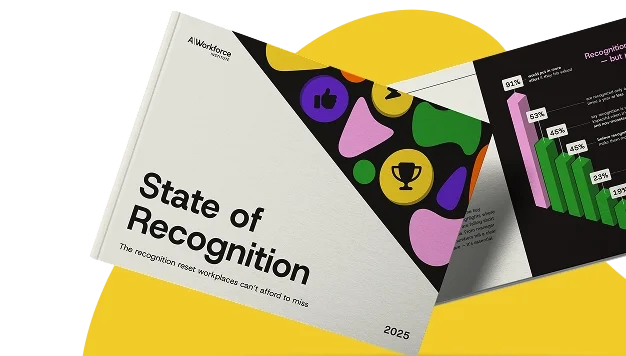
Employee expectations haven’t changed — but recognition habits certainly have. In fact, one of the biggest insights from the Employee Recognition Masterclass is just how fast appreciation is slipping out of the daily rhythm of work. According to the State of Recognition Report, weekly recognition has dropped to 19%, and manager recognition has fallen to 15%, even though employees are facing more complexity and uncertainty than ever.
That decline shows up everywhere: only 26% of employees say they feel engaged, and 92% aren’t clear on what’s expected of them. When recognition disappears, clarity disappears with it — and so does trust, confidence, and the sense of feeling anchored at work. Here’s how Achievers’ David Bator frames it:
In other words, recognition is a prerequisite, not a perk. And the gap between what employees need and what they actually experience is widening fast.
Why frequent and meaningful recognition matters
If the drop in recognition is the red flag, the next insight David shares in The State of Employee Recognition in 2025, is the part that makes audiences sit up a little straighter: when recognition does happen — and it happens often — the impact isn’t subtle. In the session, David breaks down how weekly recognition dramatically lifts productivity, commitment, and belonging, creating the kind of momentum most leaders are struggling to develop right now.
David also pulls back the curtain on why this happens — how frequent, meaningful recognition acts like a stabilizing force that helps employees regain clarity, stay motivated, and stay connected to the work that matters. It’s one of those insights that feels simple on the surface but lands differently when you see the data behind it.
Manager recognition has the strongest influence on performance
Managers can make or break how work feels — sometimes without even realizing it. Employees look to them for clarity, direction, and the occasional “yes, you’re on the right track,” which is why recognition hits differently when it comes from the person steering their growth.
Here’s a sneak peak of the Masterclass insights you’ll take away from Part 1:
- Why manager-led recognition outperforms peer or executive praise (and why employees instinctively take it more seriously).
- The four habits high-impact managers share — frequent contact, frequent recognition, coaching, and career conversations.
- Why generic “great job” moments fall flat, and how behavior-specific recognition actually drives change.
- How small, intentional actions from managers create outsized shifts in morale, alignment, and performance.
It all adds up to one simple truth: when managers lead with recognition, teams follow.
Recognition Masterclass insight: How recognition powers high-performing teams
Once you understand why recognition matters, the next step is seeing it in action. Here, recognition becomes a practical tool leaders use to guide behavior, strengthen culture, and support performance.
Recognition as a leadership behavior
If there’s one theme that comes through loud and clear in Part 2 of the series, Building a Recognition Program to Develop and Support High-Performing Teams, it’s this: recognition sticks when leaders set the tone. Frontline managers and people leaders shape the daily experience of work, which means their habits — good or bad — become the culture.
When recognition is expected, consistent, and baked into everyday interactions, it reinforces what matters and gives teams the clarity and confidence they need to perform.
Here’s how it plays out in practice:
- At Cineplex, leaders recognize great work every single shift, turning appreciation into a steady rhythm teams can count on.
- At Air Canada, quick Shine Card shoutouts celebrate great moments in real time, making recognition fast, visible, and meaningful.
And when habits like this stick, recognition doesn’t sit on a checklist — it becomes the way teams naturally work together.
How recognition drives business outcomes
Across industries and teams, one thing stays remarkably consistent: when people feel recognized, performance follows. When employees feel noticed, they show up differently: more motivated, more connected to the work, and more invested in the customer experience. And when that happens at scale, the numbers start to move in ways leaders can actually measure.
You’ll see this come to life in the Cineplex examples. Their recognition campaigns — like Operation Popcorn Payday and the Super Sips Challenge — weren’t huge, months-long initiatives. They were short, fun, and intentionally low-lift. But they sparked higher participation, better team energy, and yes, increased sales.
Recognition may not be rocket science — but the results can feel pretty close.
How measurement and leadership strengthen outcomes
Recognition has the biggest impact when leaders can see what’s actually happening — how often teams feel appreciated, whether the moments are meaningful, and how those patterns influence performance. Measurement turns recognition from a “nice idea” into something leaders can replicate, scale, and improve, especially when they model the same specific, timely appreciation they expect from others.
In Part 2, you’ll see how organizations pair strong leadership with smart measurement to understand participation trends, link recognition to KPIs, and uncover what’s driving behavior on the front lines.
You’ll also hear how teams partner with Achievers — through tools like Strategic Insights — to turn raw data into a narrative that actually helps leaders solve their biggest workforce challenges.
Recognition Masterclass insight: Why recognition is the bridge between values and behavior
Across organizations, one theme never changes: values only matter when people see them in action. That’s where recognition comes in — bridging the gap between what organizations say they value and what people experience day to day.
Recognition across the employee experience
That’s the shift many organizations are trying to make: moving beyond the occasional “you’re awesome” to a recognition ecosystem that actually shapes culture — guiding daily choices, reinforcing values, and keeping big teams moving in the same direction, no matter how fast things change.
In the final part of the Employee Recognition Masterclass series, Evolving Recognition to Drive Culture Change and Growth, you’ll see how each organization takes a slightly different path:
- Sun Life connects recognition with performance management and Workday to make appreciation part of how people grow.
- Prisma Health uses Teams integrations and multi-channel workflows to help recognition travel across regions and clinical environments.
- Seattle Children’s Hospital blends internal and external recognition — from a formal employee program to kudos from patients and families — to deepen purpose and keep values front-and-center.
Each approach looks different, but the goal is the same: make recognition so accessible, so relevant, and so embedded in the employee experience that it becomes the glue holding culture, performance, and connection together.
External recognition as a source of purpose
Some recognition hits differently — especially when it comes from the people employees serve every day. That’s why so many organizations are expanding recognition beyond internal channels. When feedback comes directly from patients, families, or customers, it adds a layer of meaning that peer or leader recognition simply can’t replicate. It reconnects people to the “why” behind the work.
In the third part of our webinar series, you’ll learn how external recognition helps employees feel seen not just as workers, but as caregivers, partners, and culture builders.
Whether it’s families sharing moments of exceptional care, patients naming the people who made a difference, or community feedback flowing directly into the platform, these stories become cultural touchpoints.
They remind teams why their work matters, reinforce the values organizations want to see lived out, and create a sense of meaning no internal campaign can manufacture.
Turning recognition data into cultural insight
Data is where recognition shifts from intuition to intention. When organizations understand how their people are recognizing each other — how often, in what moments, and with what impact — they can design programs that scale, resonate, and actually change behavior.
Here’s how you’ll see this play out in the final webinar of the series:
- Sun Life zeroes in on “data, data, and analytics” — using platform insights to understand usage patterns, personalize recognition nudges, and show business impact internally.
- Prisma Health and Seattle Children’s Hospital combine engagement survey data, external feedback, and AI tools like Copilot to make recognition more intuitive and scalable across states.
- Leaders highlight the real opportunity: moving beyond counting recognition moments to understanding which moments matter most, and how to design programs around them.
Together, these examples show how data doesn’t replace the human side of recognition — it simply helps organizations highlight what’s already working.
The Masterclass insights that matter most
when recognition is intentional, consistent, and grounded in what employees actually need, it becomes one of the most reliable ways to build stronger teams and healthier cultures. And while the stories and examples in this blog offer a glimpse into what that looks like in practice, they’re only part of the picture.
There’s even more to uncover in the data — the trends, gaps, and shifts shaping how employees feel and perform today. If you’re ready to explore those insights in full, we can help with that.
Key insights
- Recognition is declining at the exact moment employees need it most — and the impact is unmistakable.
- High-performing teams don’t just hope for great culture — their leaders model it through daily, consistent recognition.
- The organizations that thrive are the ones that embed recognition everywhere work happens, and measure what matters.
“There is great evidence about the conditions that need to exist at work so that your employees can do the best work of their lives. And from my point of view, so many of them hinge on one word, and that word is appreciation.”
David Bator
Managing Director, Achievers Workforce Institute
“Making it a little more fun, even if it's super cheesy, was a great way to get people engaged… At the end of that, not only did we find that we drove incremental revenue, which is amazing, we also asked people, did you put more effort in because we incentivized it? This was one of the ways that we wanted to see: can we actually impact behavior.”
Courtney Patterson-Holloway
Senior Manager of National Operations Support, Cineplex
“It's not always enough to just say we're going to have a recognition platform. You need to invest and put the strategy behind it. But I think if you're here and you're listening to these webinars in this Masterclass series, you're already in the right spot.”
Courtney Patterson-Holloway
Senior Manager of National Operations Support, Cineplex
“For us, [external recognition] was really about bringing in those people that you are caring for on a day-to-day, and then receiving that recognition from them versus your peers. We felt that really creates that connection to our mission and vision.”
Faraah Hassan
Former Program Manager of Engagement and Recognition, Seattle Children’s Hospital