Table of contents
Create a culture that means business™
Schedule a demo with an Achievers solution expert today.


 Copy URL
Survey tools only matter if they help people feel heard, connected, and able to do their best work. Yet many organisations are collecting feedback without seeing much change. Did you know that in Australia, only 22% of employees feel connected to their colleagues and can easily access the people they need to be productive?
The right employee survey tool doesn’t just ask questions. It helps organisations spot where connection is slipping, understand why, and actually do something about it. This guide breaks down the top employee survey tools used by Australian organisations, what each does well, and which ones are best at turning honest feedback into real improvement (not just nicer charts).
Types of surveys across the employee lifecycle
Not all survey tools serve the same purpose. Different tools are designed to support different moments in the employee experience. Here’s a list of the most common types:
Engagement and annual census surveys
These surveys provide a broad, company‑wide view of how employees feel about their experience at work. They’re often used to benchmark engagement, track year‑over‑year change, and inform strategic planning.
Pulse surveys for change, workload, and wellbeing
Pulse surveys are shorter, more frequent surveys designed to track how sentiment changes over time. They’re particularly useful during periods of change — such as restructures, system rollouts, or shifts in workload — when leaders need faster feedback than an annual survey can deliver.
Lifecycle surveys
Lifecycle surveys focus on specific moments that strongly shape engagement and retention. Common examples include onboarding surveys to understand early experience, exit surveys to identify patterns behind turnover, and manager effectiveness surveys to assess leadership practices.
Always‑on feedback and listening tools
Always‑on listening tools allow employees to share feedback continuously, rather than waiting for a scheduled survey. This can include ad‑hoc feedback, quick polls, or open listening channels that identify issues in real time.
Used together, these tools help businesses understand what’s happening, respond at the right moments, and avoid relying on a single survey to do all the heavy lifting.
Key features to evaluate in employee survey platforms
While many platforms focus on collecting responses, fewer are designed to support meaningful action. That difference matters.
Here are the features to look for in a survey tool:
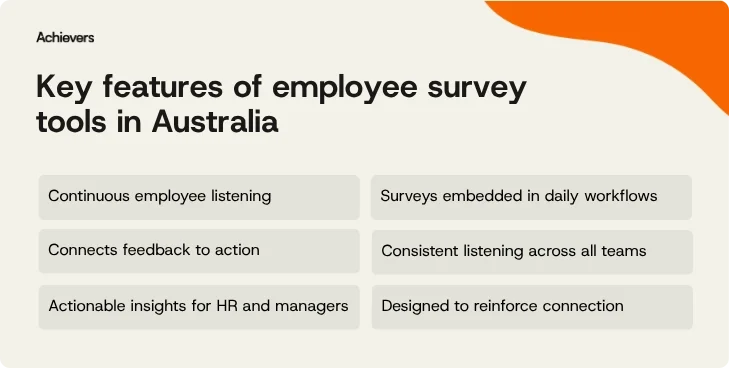
Continuous employee listening (not just annual surveys)
Great survey tools support continuous listening through pulse surveys, onboarding and exit feedback, and targeted check‑ins. This makes it easier to understand trends over time and respond earlier. Because if a tool only tells you what people felt months ago, you’re already behind.
Clear links between employee feedback and action
Feedback only builds trust when employees see it taken seriously. Modern survey tools should be designed to help organisations close the loop by supporting follow‑up from managers, informing decisions, and reinforcing behaviours that employees say matter most. Employees don’t need perfect solutions. They need to see that their input changes something.
Actionable insights for managers and HR teams
Look for tools that translate responses into clear signals: where connection is breaking down, which teams need support, and what behaviours are driving engagement or frustration. When insights are accessible and human, managers are more confident acting on them — and HR teams spend less time explaining the data and more time using it.
Surveys embedded in daily workflows
Employees are more likely to share honest feedback when the process feels simple and relevant. Survey tools that sit outside normal workflows can feel disconnected from how work actually happens. Platforms that integrate smoothly into the tools employees already use reduce friction, improve participation, and make it easier for managers to follow up without losing precious time.
Consistent listening across teams, roles, and regions
For organisations with hybrid, frontline, or remote teams, consistency is critical. Survey tools should support a shared approach to listening across the business, while still allowing flexibility for different roles, teams, and local contexts. This balance helps ensure feedback feels fair, relevant, and grounded in how people actually work
Designed to reinforce connection over time
Look for platforms that capture feedback across the employee lifecycle (from onboarding surveys to exit polls), protect employees through anonymous responses, and provide real‑time dashboards and reporting so HR and leaders can spot trends quickly.
Top 15 employee survey tools used by companies in Australia
1. Achievers
G2 rating: 4.6/5
Strengths
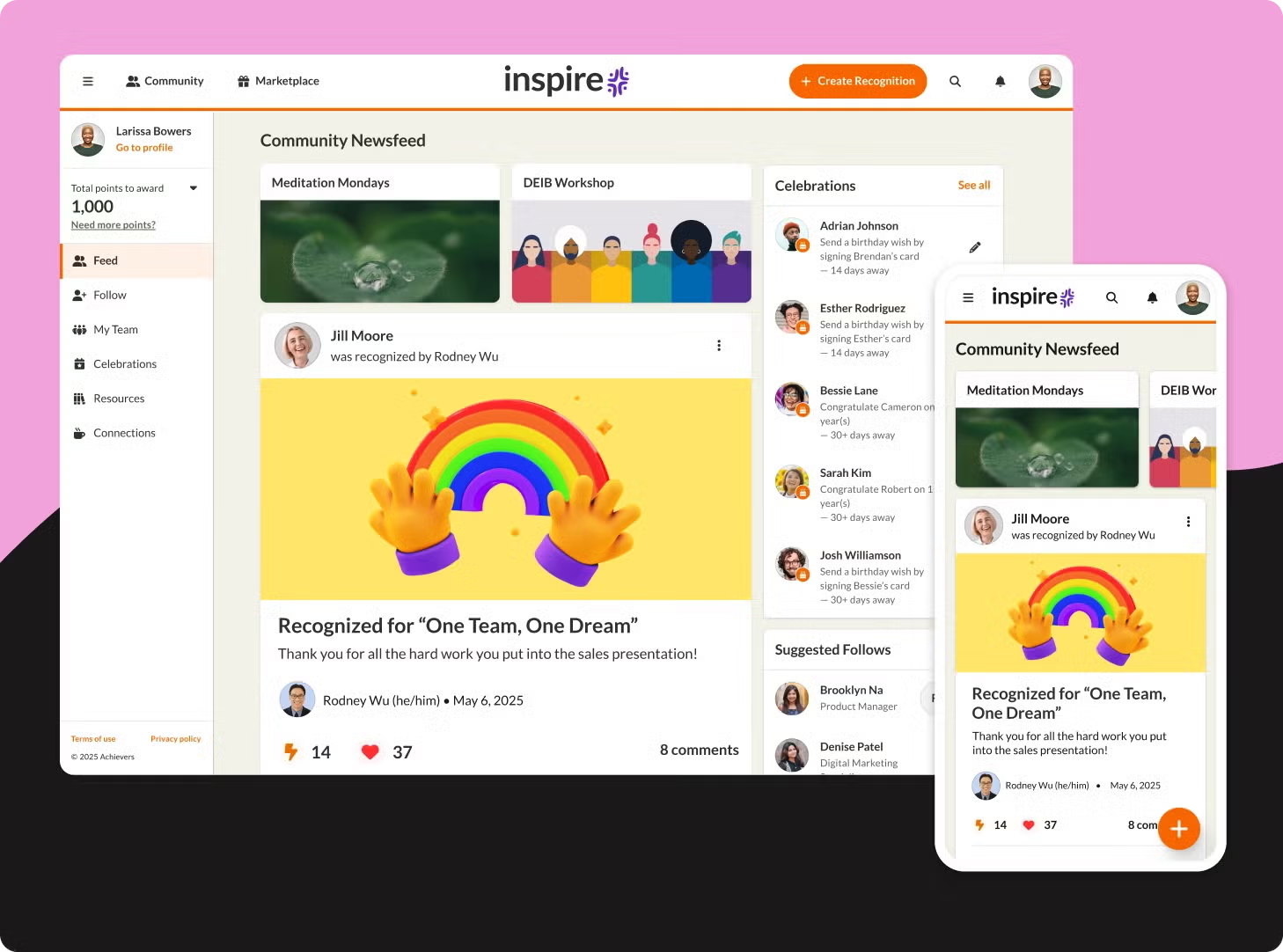
Achievers is an enterprise‑grade employee recognition and engagement platform that combines survey‑based listening with recognition, rewards, and actionable insights. The platform supports continuous feedback across the employee lifecycle — from onboarding and pulse surveys to broader engagement measurement — and connects that feedback directly to actions leaders and managers can take.
Achievers pairs real‑time dashboards, self‑serve reporting, and anonymous feedback with recognition, manager tools, and collaborative action planning, so HR teams can connect employee sentiment directly to culture, retention, and day‑to‑day behaviour. It also offers 100+ customisable templates and enterprise integrations with tools like Microsoft Teams, Outlook, Slack, and Workday.
Best for
Mid‑market to enterprise organisations that want employee feedback, recognition, and action integrated into one unified platform.
Key features
- Employee listening across the full lifecycle, including engagement, pulse surveys, onboarding, and exit surveys
- Voice of Employee capability that includes surveys, polls, and quizzes
- Large library of pre‑built, configurable survey templates
- Anonymous feedback supported at scale
- Real‑time dashboards with trend tracking and enterprise reporting
- Survey insights integrated with recognition and rewards
- Manager tools that support structured follow‑up
- Enterprise-grade integrations with Workday, Outlook, Slack, and Microsoft Teams
Weakness
Achievers may be more advanced than required for small businesses looking for a basic, standalone survey tool with limited follow‑up or reporting requirements.
Customer review
“Achievers has quickly become an essential part of how I lead and motivate my sales teams. The platform makes it incredibly easy to recognise great work in real time, whether it’s celebrating a major deal, acknowledging consistent effort, or highlighting teamwork across the district. The social-style recognition feed keeps everyone connected, and the ability to reward meaningful contributions has genuinely boosted morale and engagement.
The analytics and insights are especially valuable — they help me spot trends, understand what’s driving performance, and ensure that recognition is consistent and aligned with our goals. Achievers has strengthened our culture and made recognition a natural part of our everyday workflow. I’d highly recommend it to any leader looking to build a more engaged, motivated, and high-performing team.” Verified review via G2
2. Xref
G2 rating: 4.6/5
Strengths
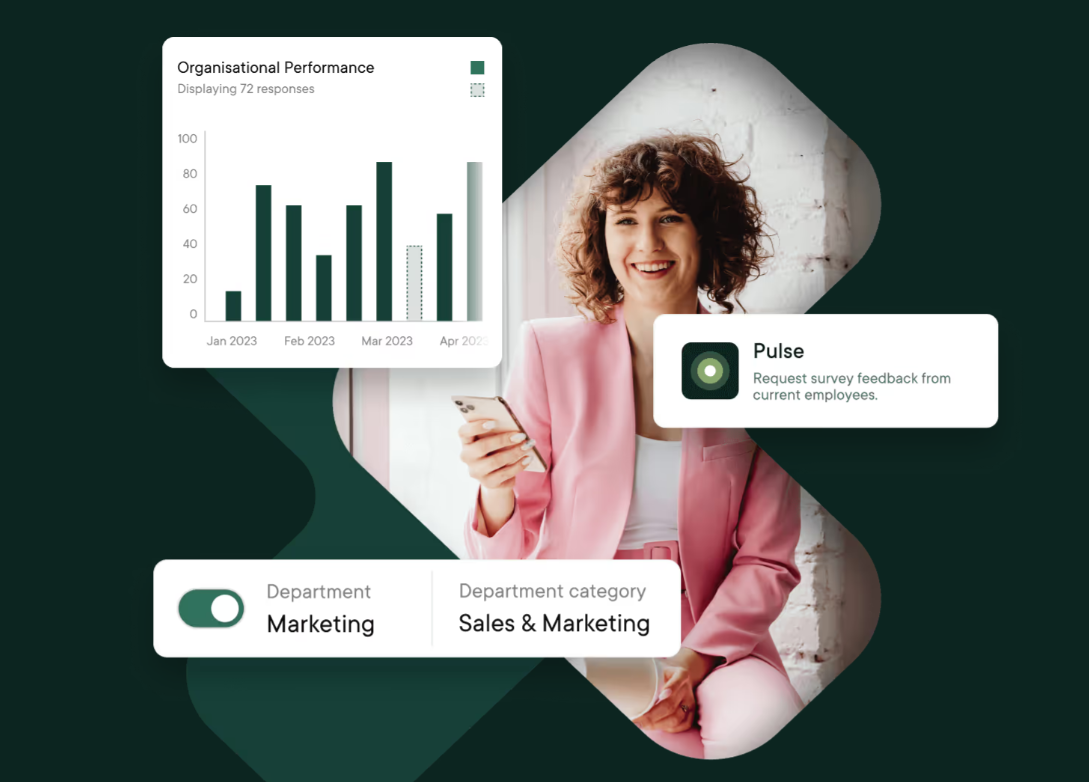
Xref is a hiring and screening platform focused on reducing risk during recruitment. It’s best known for automated reference checking and background screening, with tools designed to help employers validate candidate information, gather referee feedback, and complete due diligence. Xref also offers engagement surveys and talent pool functionality.
Best for
Organisations that want to streamline reference checks and background screening as part of their hiring process.
Key features
- Automated reference checking with structured referee feedback
- Background and right‑to‑work checks for different employment types
- Talent pools to reconnect with previous candidates and referees
Weakness
May not provide the depth of employee listening, lifecycle feedback, or post‑hire engagement required for businesses focused on ongoing culture and retention.
Customer review
“Would be good to review the survey questions when selecting the survey. It’s difficult to view them on a different page and then make the selection on a different page, especially when templates have similar titles.” Vanessa A., via G2
3. Rippling
G2 rating: 4.8/5
Strengths
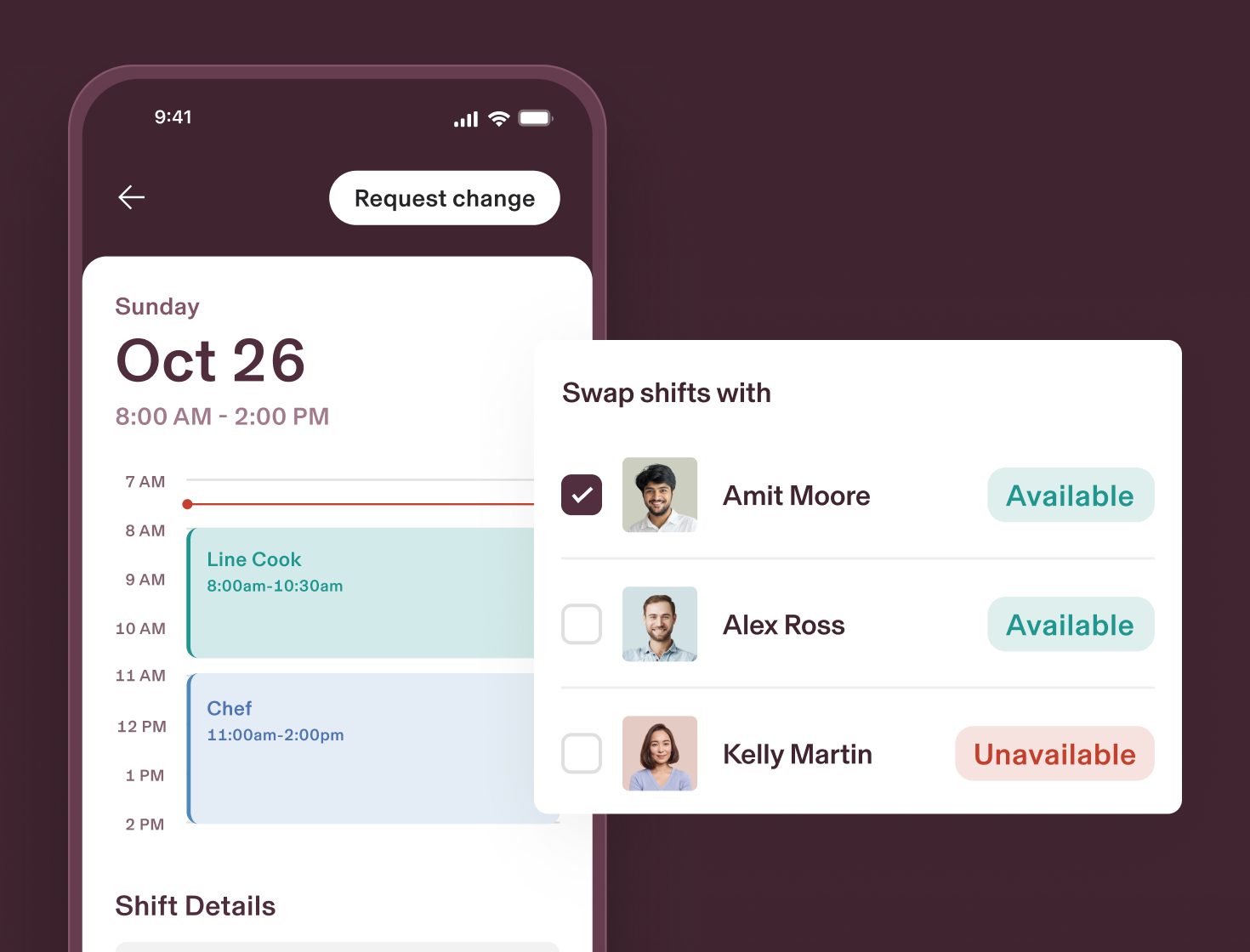
Rippling Surveys is part of Rippling’s broader workforce management platform, which combines HR, payroll, IT, and finance. Its survey functionality is designed to collect employee feedback within the context of existing employee data, allowing organisations to run engagement, onboarding, exit, and event‑based surveys. Surveys can be automated and tied to workflows.
Best for
Teams already using Rippling for HR and payroll that want employee surveys embedded into a single system.
Key features
- Employee surveys that can be triggered by events such as onboarding, exits, or role changes
- Unified analytics that allow survey results to be viewed alongside HR and workforce data
- Workflow automation triggered by survey responses
Weakness
Software may be less suitable for organisations looking for a dedicated employee listening solution with deeper engagement.
Customer review
“Overall, it provides excellent value for money for startups looking for an integrated HR, payroll, and IT management platform.” Ashwath S., via G2
4. Reward Gateway
G2 rating: 4.6/5
Strengths
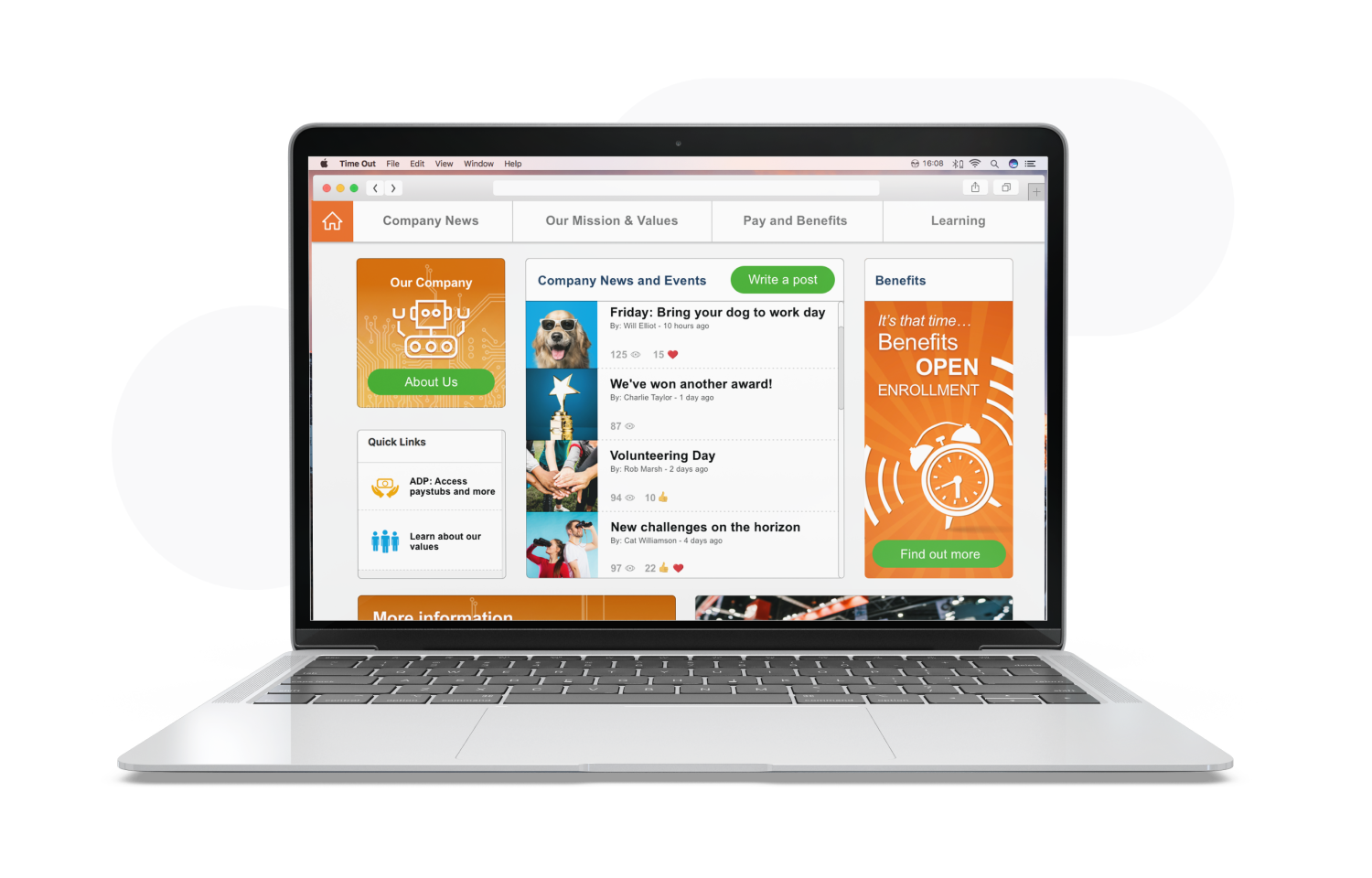
Reward Gateway | Edenred is an employee engagement platform that combines rewards and recognition, employee benefits, communications, wellbeing, and surveys. Its survey capability is designed to support engagement measurement alongside broader reward and benefits programs, with tools such as pulse surveys, employee NPS, and configurable engagement surveys.
Best for
Organisations that want employee surveys alongside rewards, benefits, and communications.
Key features
- Engagement surveys, pulse surveys, and employee NPS
- Engagement analytics and benchmarking through a proprietary engagement index
- Employee recognition, benefits, and communications delivered in one platform
Weakness
It may not offer the same depth of employee listening, lifecycle feedback, or manager‑led follow‑up capabilities for companies that require a more specialised tool.
Customer review
“The fact that the monetary recognition is linked to the discounts site is great, meaning that colleagues can really appreciate the savings to be made.” Caroline P., via G2
5. Sentrient
G2 rating: N/A
Strengths
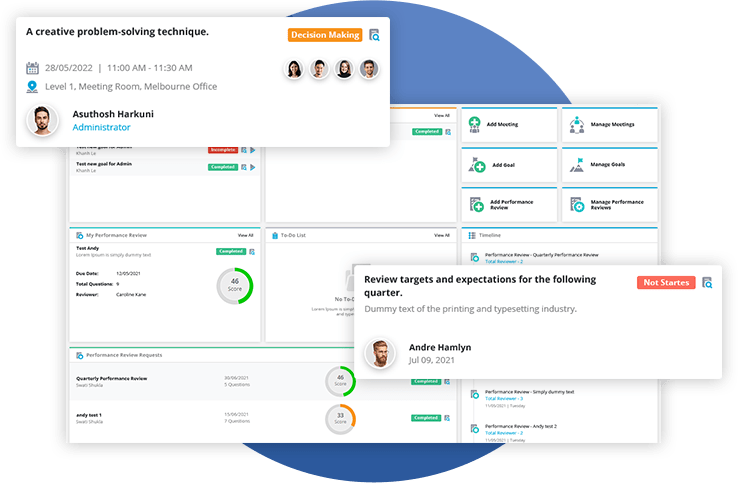
Sentrient is an Australia‑based compliance, GRC, and HR software platform designed to help organisations manage regulatory obligations alongside basic employee engagement and HR processes. Its survey capability is often used for compliance‑related topics such as safety culture, wellbeing, and engagement, and sits alongside policy management, training, incident reporting, and audit‑ready reporting.
Best for
Australian organisations want employee surveys included as part of a broader compliance‑led HR system.
Key features
- Online employee engagement and safety culture surveys
- Compliance training, policy management, and audit‑ready reporting
- Incident, risk, and records management within a single platform
Weakness
May not offer the depth of employee listening, continuous feedback, or reporting capabilities required for organisations focused on culture development.
Customer review
“The Dashboard for employees is simple to navigate. The ability to customise views, company settings and reports is great.” Review via Software Advice Australia
6. SurveyMonkey
G2 rating: 4.4/5
Strengths
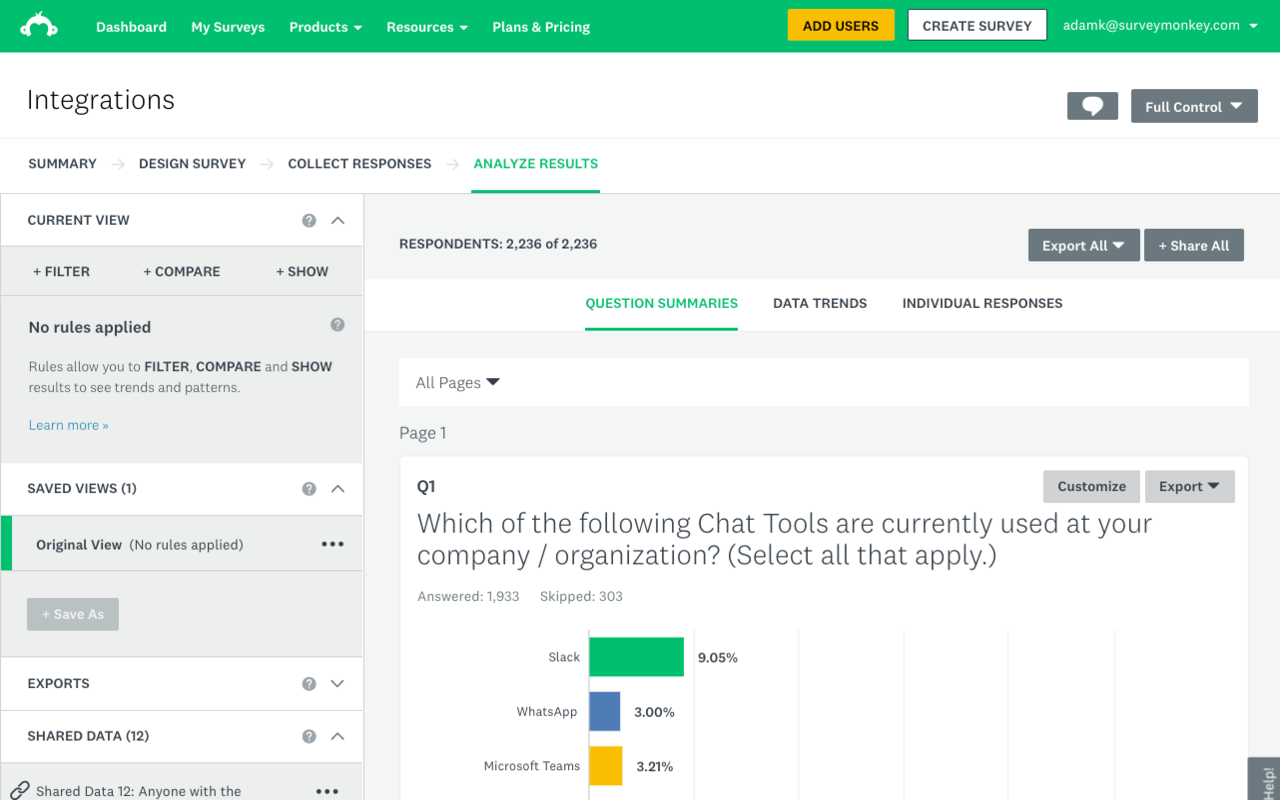
SurveyMonkey is a general‑purpose survey platform used across customer research, market research, and employee feedback. It is known for flexible survey creation, a large library of templates, and advanced analytics, including AI‑assisted analysis of open‑text responses. SurveyMonkey can be used for employee engagement surveys, pulse surveys, and feedback collection.
Best for
Businesses that want a flexible survey platform for multiple use cases, including employee feedback.
Key features
- Custom survey builder with extensive question types and logic
- AI‑supported analysis, dashboards, and trend reporting
- Multiple distribution channels, including email, links, SMS, and integrations
Weakness
Teams looking for employee lifecycle feedback, manager follow‑up, recognition, or engagement actions may need additional tools.
Customer review
“What I like most about SurveyMonkey is how quickly I can take an idea and turn it into a well-structured survey, especially with the help of its practical templates.” Sagar K., via G2
7. ThriveSparrow
G2 rating: 4.3/5
Strengths
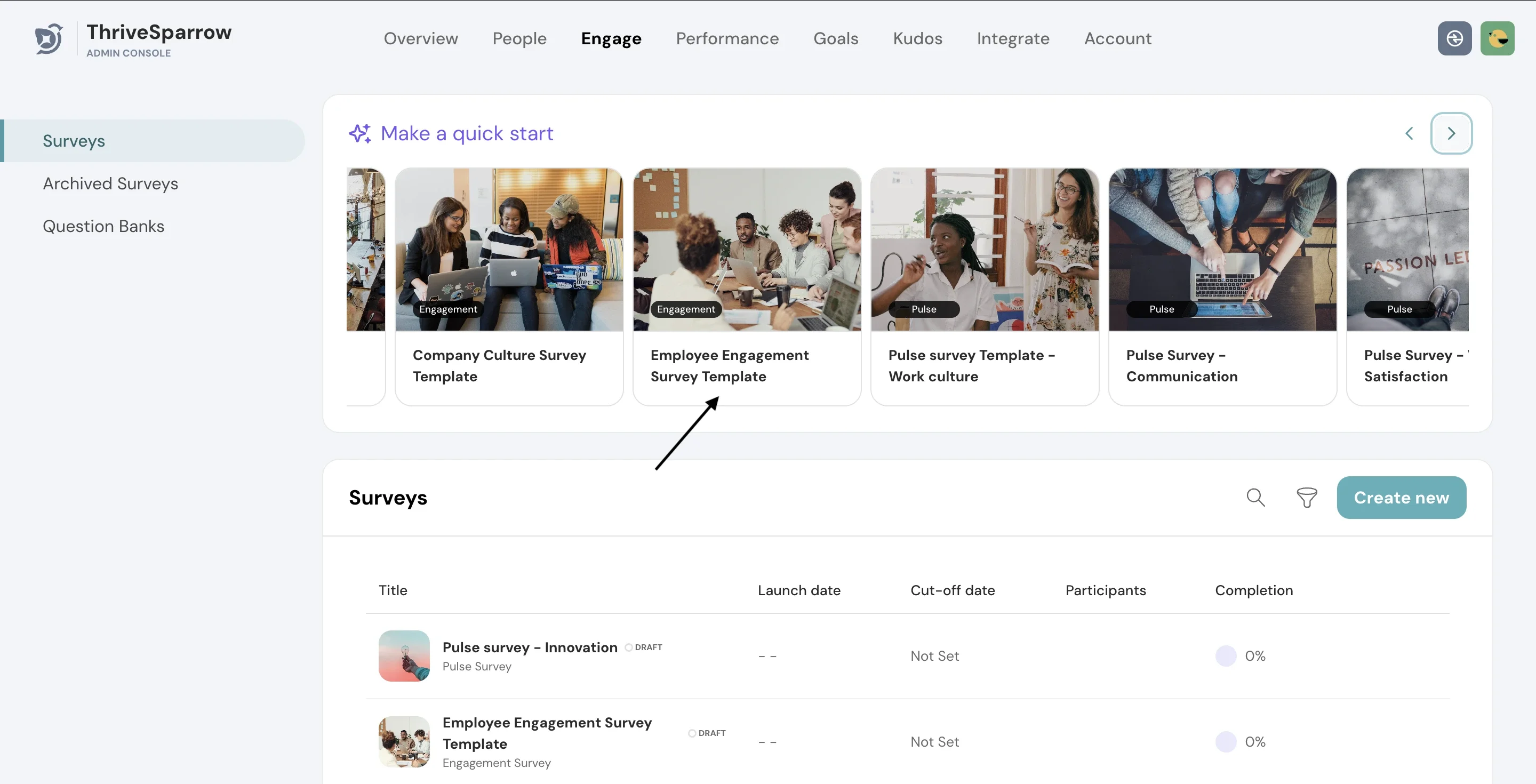
ThriveSparrow is an employee success platform that combines engagement surveys, performance reviews, feedback, recognition, goals, and one‑on‑ones in one system. It is positioned around continuous feedback and employee development, with features such as pulse surveys, eNPS, AI sentiment analysis, action plans, and 360‑degree feedback.
Best for
HR leaders that want employee surveys closely tied to performance, feedback, and development workflows.
Key features
- Pulse surveys, eNPS surveys, and anonymous employee feedback tools
- 360‑degree feedback, performance reviews, and one‑on‑one workflows
- AI sentiment analysis and action planning based on employee feedback
Weakness
Organisations looking for a specialised employee listening solution or more advanced governance and reporting may require additional tools.
Customer review
“The platform makes it incredibly easy to run pulse surveys, gather real-time feedback, and visualise engagement trends across teams.” Verified review via G2
8. Connecteam
G2 rating: 4.6/5
Strengths
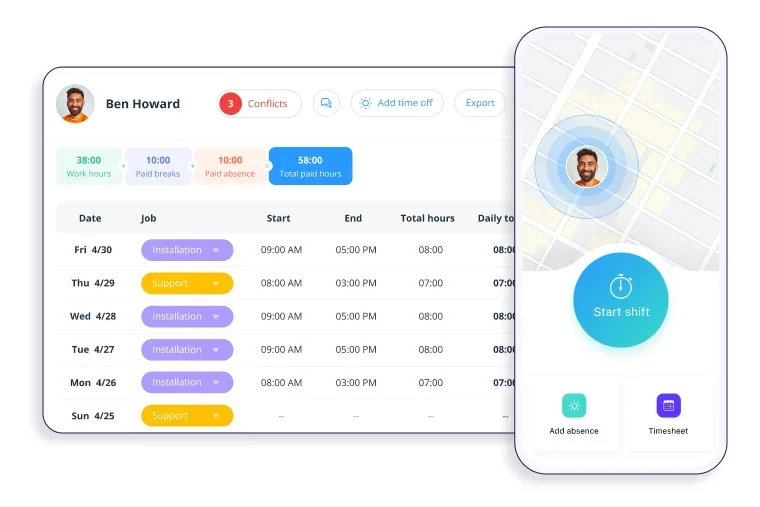
Connecteam is a workforce management app designed primarily for deskless and frontline teams. It combines scheduling, time tracking, task management, internal communication, training, and basic HR tools in a single mobile‑first platform. Its survey and polling features are intended for quick, real‑time feedback from teams in the field.
Best for
Companies with large frontline or deskless workforces that want a mobile‑first platform to manage daily operations and feedback.
Key features
- Mobile‑first employee surveys, polls, and feedback collection
- Workforce scheduling, time tracking, and operational task management
- Internal communications, updates, and training delivery
Weakness
My not provide the level of engagement analytics, lifecycle surveys, or follow‑up needed for organisations focused on long‑term culture, engagement, and retention.
Customer review
“While Connecteam is very useful, it can feel a bit limited if you need advanced reporting or complex integrations.” Vakula C., via G2
9. Small Improvements
G2 rating: 4.3/5
Strengths
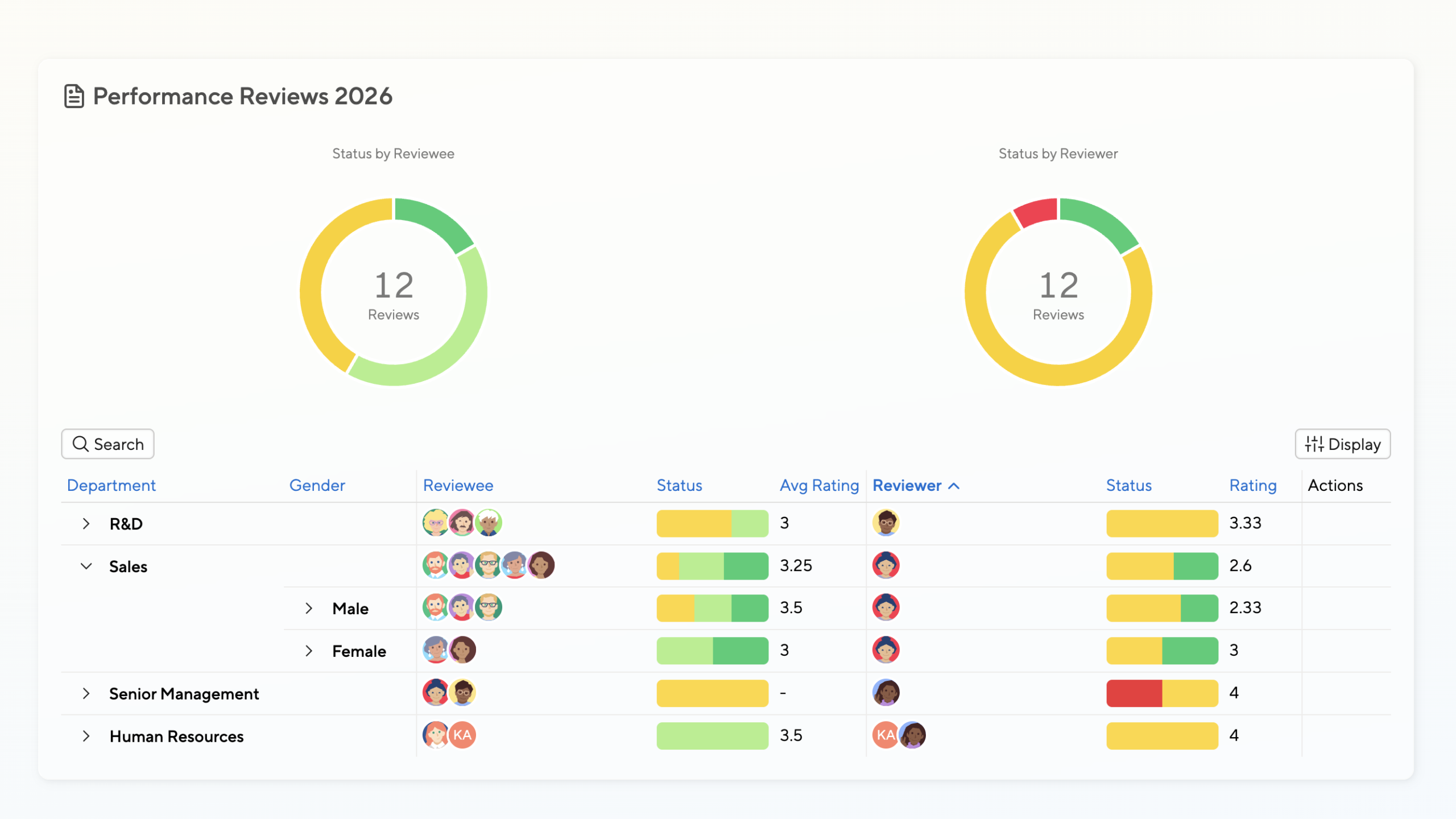
Small Improvements is a performance management platform focused on feedback, reviews, and goal alignment. It supports lean performance reviews, 360‑degree feedback, pulse surveys, objectives, and structured 1:1s, with an emphasis on usability and configurability. The platform is designed to help managers and teams run regular feedback cycles and track performance trends without heavy setup or complex workflows.
Best for
Small to mid‑sized organisations that want a platform for performance reviews, feedback, and goal tracking.
Key features
- Performance reviews and 360‑degree feedback
- Pulse surveys for engagement and sentiment tracking
- Goals, objectives, and structured 1:1 meetings
Weakness
Companies looking for listening tool tied to recognition, rewards, or culture‑wide engagement may need additional tools.
Customer review
“Highly recommend it for small to mid-sized teams looking for a user-friendly solution.” Rhonda R., via G2
10. Culture Amp
G2 rating: 4.5/5
Strengths
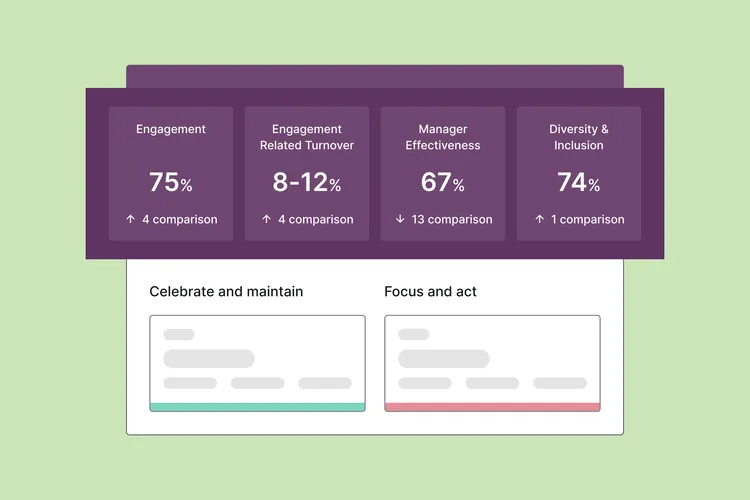
Culture Amp is an employee experience and performance platform focused on employee surveys, feedback, and development. It is best known for engagement surveys, pulse surveys, benchmarking, and research‑backed question libraries, supported by people science and analytics. Culture Amp also includes performance reviews, goals, and positioning surveys.
Best for
Organisations that want research‑backed engagement surveys and benchmarking.
Key features
- Engagement surveys, pulse surveys, and benchmarking
- Performance reviews, goals, and continuous feedback
- Analytics and insights based on people science research
Weakness
HR leaders looking for deeper recognition, rewards, and day‑to‑day reinforcement of behaviours may require additional tools.
Customer review
“Better mechanisms to surface qualitative depth alongside the aggregated results, without compromising anonymity, would make the insights significantly more actionable.” David F., via G2
11. Employment Hero
G2 rating: 4.3/5
Strengths
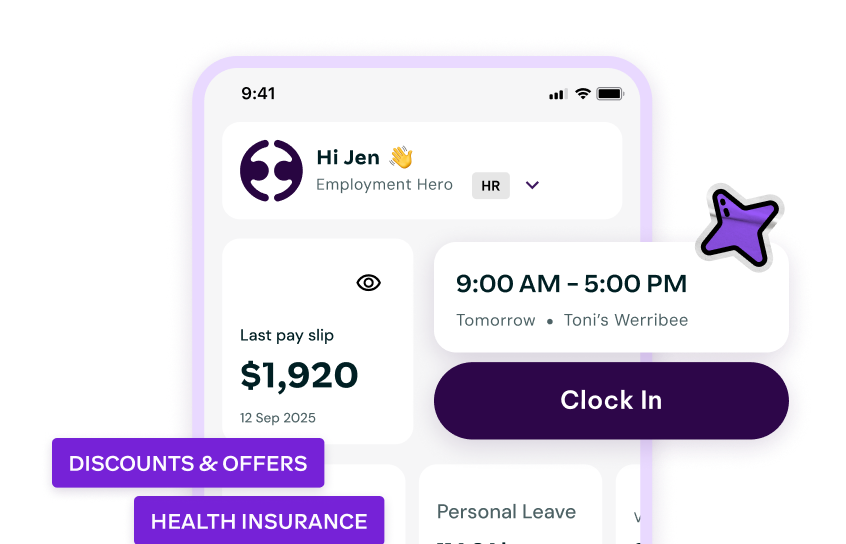
Employment Hero is an Australian employment operating system that brings together payroll, HR, recruitment, benefits, and employment management in one platform. It is designed to reduce administrative workload by centralising core employment tasks such as paying employees, managing leave and rosters, handling onboarding, and supporting compliance.
Best for
Small to mid‑sized organisations that want payroll, HR, and employment administration combined into a single system.
Key features
- Payroll, HR, recruitment, and benefits managed in one platform
- Basic employee engagement tools, including surveys and feedback
- Work management features such as leave, timesheets, announcements, and recognition
Weakness
Companies looking for deeper employee listening and engagement analytics may need to look for additional tools.
Customer review
“The performance review process feels limited. Booking review periods for employees is restrictive, and it doesn’t allow enough tailoring for different situations.” H.S. via G2
12. Lattice
G2 rating: 4.7/5
Strengths
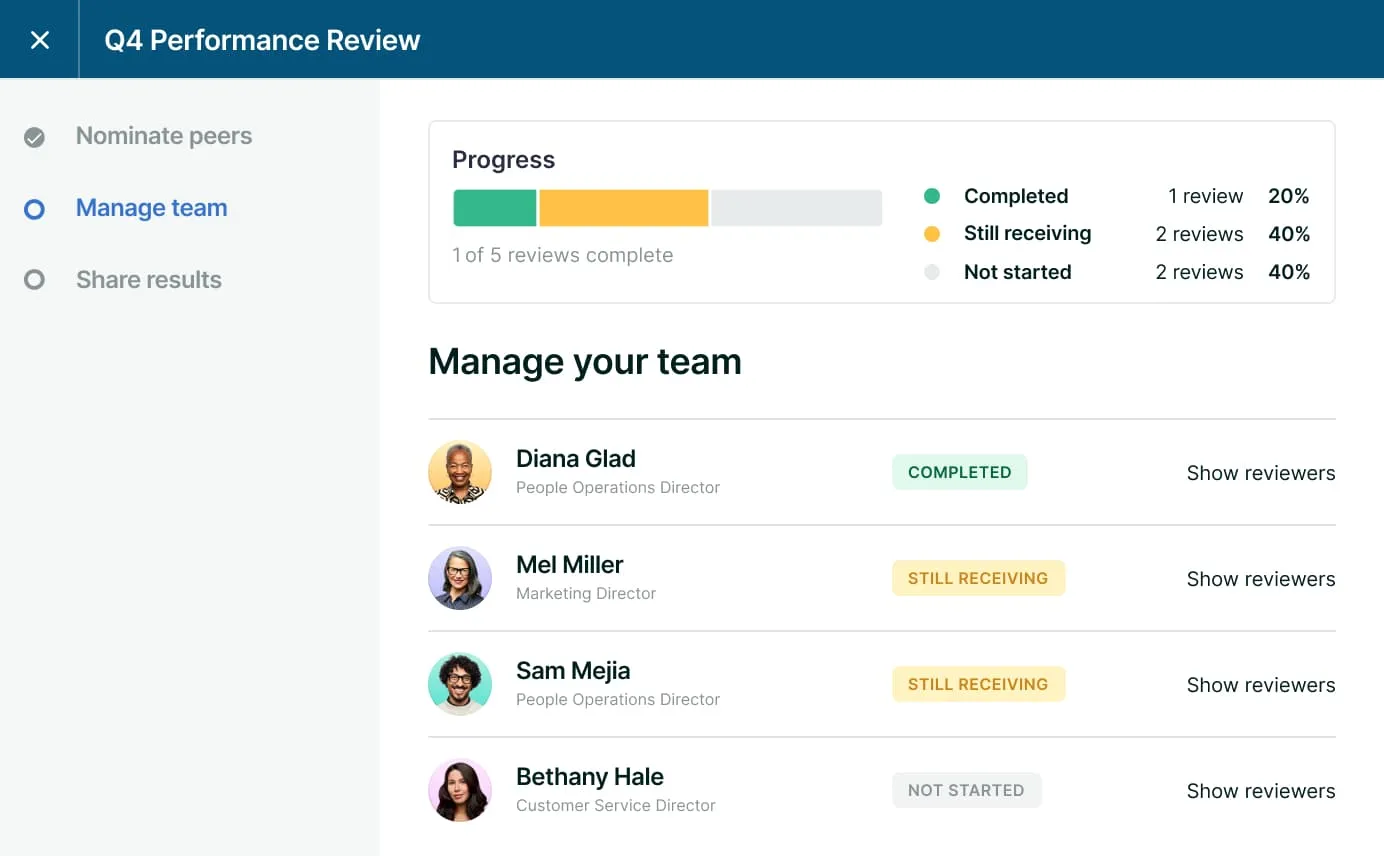
Lattice is a people management platform focused on performance, engagement, and employee development. It combines engagement surveys, pulse surveys, eNPS, onboarding and exit feedback, performance reviews, goals and OKRs, and compensation planning in a single system.
Best for
Organisations that want employee surveys closely linked to performance management, goal tracking, and development.
Key features
- Engagement surveys, pulse surveys, eNPS, onboarding and exit surveys
- Performance reviews, goals and OKRs, and continuous feedback tools
- AI‑assisted survey analysis, benchmarking, and insights
Weakness
Teams looking for deeper employee recognition, rewards, or more advanced engagement support beyond performance workflows may need additional tools.
Customer review
“It makes it easy for me to roll out performance reviews, especially probation reviews, without missing timelines due to its immediate initiation and automated reminders.” Lylian U., via G2
13. Deel HR
G2 rating: 4.8/5
Strengths
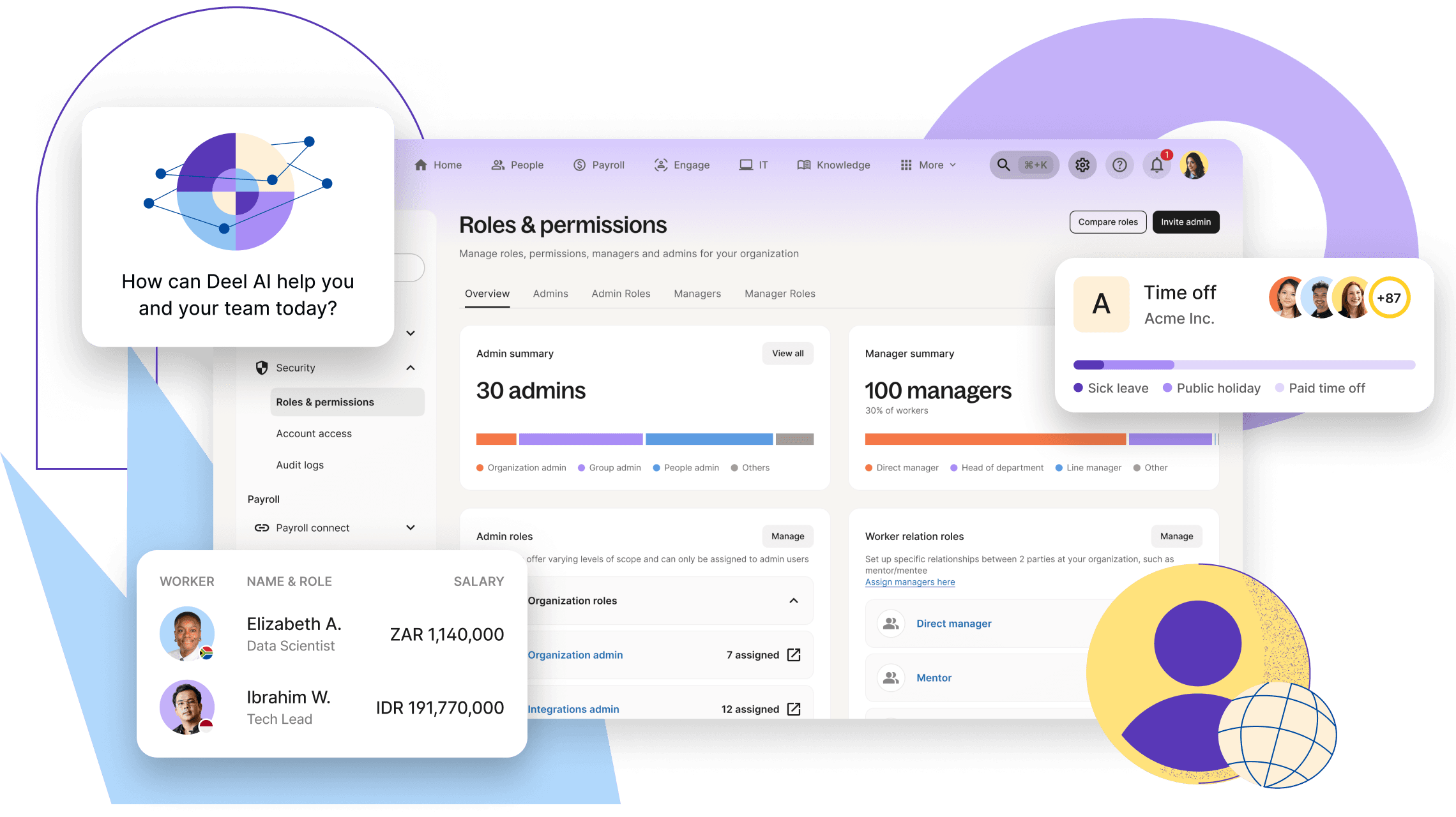
Deel is a global employment platform designed to help organisations hire, pay, and manage workers across multiple countries. Its core strengths are global payroll, contractor management, compliance, benefits, and immigration support. Employee surveys and engagement features may exist within the broader platform. Deel is positioned around enabling international hiring and compliant workforce administration at scale.
Best for
Organisations hiring internationally that need payroll, compliance, and workforce administration managed across multiple countries.
Key features
- Global payroll and contractor management across multiple jurisdictions
- Compliance, benefits, and immigration support for international hiring
- Centralised HR records and workforce administration
Weakness
May be less suitable for companies looking for deeper employee listening, engagement analytics, or ongoing feedback programs.
Customer review
“It makes managing HR processes straightforward and efficient, which is especially helpful for someone who’s just getting started.” Ivan via G2
14. BrightHR
G2 rating: 4.3/5
Strengths
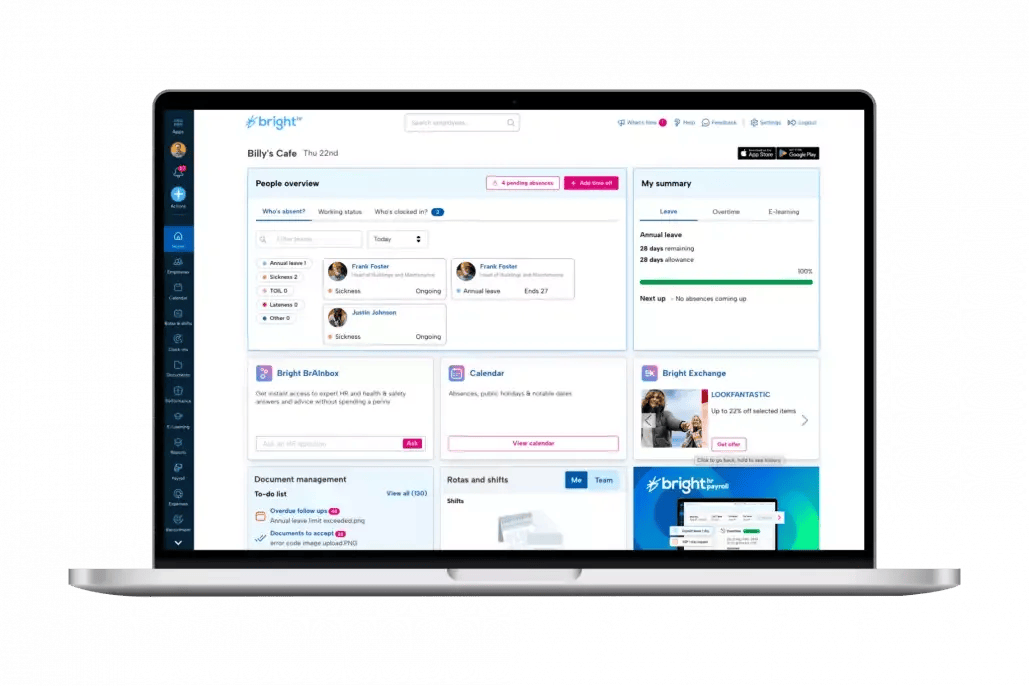
BrightHR is an HR administration and compliance platform designed to help organisations manage policies, documentation, health and safety, and everyday HR tasks. It combines HR software with access to on‑demand HR and health and safety advice. Employee engagement features, such as surveys, performance management, and recognition, are also included as supporting tools.
Best for
Small to mid‑sized organisations that want HR administration, compliance support, and workplace advice together in one platform.
Key features
- HR administration for leave, records, policies, and documentation
- Health and safety management, training, and incident reporting
- Basic employee engagement tools, including surveys, performance reviews, and recognition
Weakness
Its survey and engagement features may be more limited than platforms designed specifically for employee listening and engagement strategy.
Customer review
“I feel it kinda lacks in depth in terms of analysis and it’s a bit sort of costly. Instead of providing monthly reports, it should provide reports on a real-time basis and have a customization section.” Daksh K., via G2
15. Great Place to Work® Employee Survey
G2 rating: 5/5
Strengths
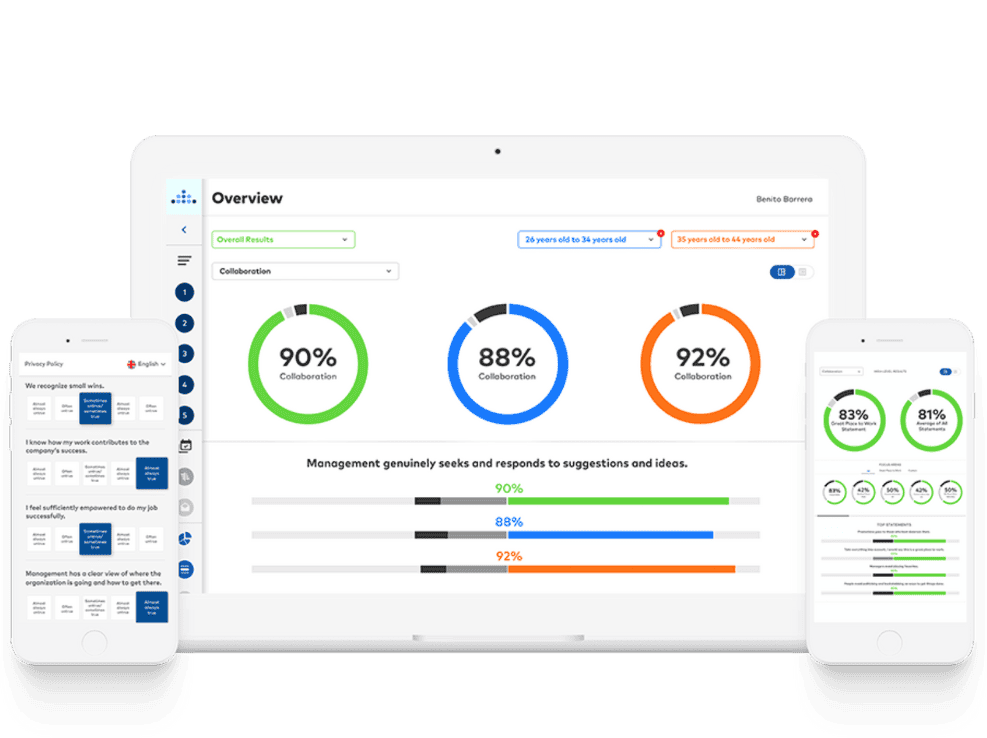
Great Place To Work® is best known for its Trust Index™ Survey, a standardised employee survey designed to measure workplace trust across five dimensions: credibility, respect, fairness, pride, and camaraderie. The platform is built around benchmarking and certification, using a consistent global methodology and large comparative dataset. Survey delivery, reporting, and analysis are supported by people analytics tools and guidance.
Best for
Businesses that want a globally recognised benchmark for workplace trust and employee sentiment.
Key features
- Trust Index™ employee survey based on a fixed, research‑backed framework
- Global benchmarking across industries, regions, and company sizes
- Standardised reporting with options for expert‑led interpretation and action planning
Weakness
May be less flexible for teams that want more custom survey design, continuous listening, or tighter integration with engagement and recognition workflows.
Customer review
“I feel so prepared to send out our survey again this year. I am excited to see how we can integrate GPTW with other programs in the near future.” Candace T., via G2
How to choose the best survey tool for your organisation
Once you understand the different types of survey tools, the next step is choosing a platform that fits your organisation’s reality. That means looking beyond feature lists and focusing on how well a tool will scale, comply, and actually deliver long‑term value.
Workforce size and structure
The way your organisation is structured will shape how useful a survey tool really is. Tools that work well for small, office‑based teams often fall short in larger or more distributed environments.
If you have frontline employees, hybrid teams, or multiple locations, look for tools that make participation easy for everyone, not just the head office. That includes mobile access, clear anonymity guidelines, and the ability to segment results without losing sight of the bigger picture.
Survey length, question design, and clarity
Survey design has a direct impact on response rates. Short, focused surveys are far more effective than long questionnaires that try to cover everything at once.
The best tools make it easy to:
- Keep surveys brief and purpose‑led
- Combine scaled questions (to spot trends) with open‑text questions (to understand why)
- Use consistent wording over time, so results are easier to compare
If the platform encourages overly long or complex surveys, survey fatigue can set in quickly.
Frequency and avoiding survey fatigue
More surveys don’t automatically lead to better insight. What matters is listening often enough to catch issues early, without overwhelming employees.
In practice:
- Annual surveys work well for big-picture benchmarking
- Pulse and lifecycle surveys are better for change, workload, and retention
- Always‑on feedback should be lightweight and optional
Look for tools that support different cadences and let you adjust frequency as needs change.
Industry and compliance sensitivity
Employee listening doesn’t exist in a vacuum. Industries such as healthcare, financial services, government, and critical infrastructure carry higher expectations around data privacy, employee protections, and governance.
When evaluating tools, pay close attention to how anonymous responses are handled, how access to insights is controlled, and what security standards are in place.
Distribution and timing
How and when surveys are sent plays a big role in participation. Tools that fit into everyday workflows, like email, chat tools, or mobile apps, usually see higher response rates than one‑off links.
Surveys sent at meaningful moments (such as onboarding, exits, or major change) also tend to deliver more thoughtful, useful feedback than surveys sent “just because.”
Budget versus long‑term value
Cost matters, but it shouldn’t replace value. Lower‑priced tools risk focusing narrowly on collecting responses, leaving adoption, follow‑up, and behaviour change to chance.
When weighing value, look at what happens after the survey closes. Consider participation rates, ease of manager follow‑up, integration with existing systems, and the ability to track progress over time. Tools that support continuous listening and visible action tend to deliver stronger engagement outcomes.
Connecting survey tools to compliance and privacy in Australia
While survey tools aren’t compliance tools in themselves, the way they collect, store, and present employee feedback can influence how well companies align with privacy and workplace best practices.
Here are a few questions to consider:
How is employee data handled and protected?
Bodies like the Fair Work Ombudsman and the Office of the Australian Information Commissioner (OAIC) highlight the importance of handling personal and sensitive information with intention and care. Survey tools that offer clear data security, access controls, and transparent documentation can make this easier to manage.
How is anonymity explained and applied?
Anonymity helps employees speak honestly, but only when expectations are clear. Tools that are upfront about how anonymity works and where it applies are more likely to be trusted by everyone in the organisation, while avoiding misunderstandings later on.
How are survey insights intended to be used?
Feedback should be treated as a way to identify trends and initiate conversations, not as evidence of an individual’s performance or as a way to make disciplinary decisions. Look for tools that focus on workplace trends and broad insights, rather than individual actions.
Is there clear communication with employees?
Employees are more comfortable participating when they understand why surveys are run, how responses will be used, and what won’t be done with the data. Survey tools that make it easy to communicate clearly and share outcomes help reinforce transparency and build trust over time.
Go from survey insights to business success
Employee surveys aren’t the end goal. They’re the starting point.
As this guide shows, Australian workplaces have no shortage of tools for collecting feedback. The real difference lies in what happens next. Do employees see their input reflected in everyday work? Do managers have the clarity and confidence to act on what they’re hearing? And does listening actually strengthen connection over time, not just improve response rates?
The organisations getting this right treat employee feedback as part of a larger system of connection. That’s exactly where Voice of Employee from Achievers fits. It goes beyond surveys to help organisations understand what employees are experiencing, connect insights to recognition and action, and make listening part of how work gets done every day.
Because when people feel heard, connected, and recognised, everything else works better.
*Information and pricing in this blog post was sourced from each vendors website
Employee survey tools in Australia FAQs
Key insights
- The best employee survey tools help organisations turn honest input into visible action that strengthens connection and performance.
- Choosing the right survey platform depends less on features and more on whether it supports continuous listening, manager follow‑through, and real change over time.
- For workplaces in Australia, the tools that make the biggest impact are those that embed listening into everyday work.
| Platform | Best for | Key feature | G2 rating | Recognition capabilities |
|---|---|---|---|---|
| Achievers | Mid‑market to enterprise organisations that want surveys, recognition, and analytics in one unified platform | Lifecycle surveys, Voice of Employee, real‑time dashboards, enterprise reporting, deep integrations | 4.6/5 | |
| Xref | Organisations focused on hiring risk, reference checking, and screening | Automated reference checks, background screening, talent pools | 4.6/5 | |
| Rippling | Teams already using Rippling for HR and payroll | Event‑triggered surveys, HR‑linked analytics, workflow automation | 4.8/5 | |
| Reward Gateway | Organisations that want surveys alongside rewards, benefits, and communications | Engagement and pulse surveys, eNPS, engagement index, benefits platform | 4.6/5 | |
| Sentrient | Organisations with a compliance‑led HR approach | Safety and engagement surveys, compliance training, policy and risk management | N/A | |
| SurveyMonkey | Businesses needing a flexible, general‑purpose survey tool | Custom surveys, AI‑assisted analysis, multiple distribution channels | 4.4/5 | |
| ThriveSparrow | HR teams linking surveys to performance and development | Pulse surveys, eNPS, 360 feedback, AI sentiment analysis | 4.3/5 | |
| Connecteam | Deskless and frontline workforces needing mobile feedback | Mobile surveys and polls, scheduling, task and comms tools | 4.6/5 | |
| Small Improvements | SMBs focused on feedback, reviews, and goal tracking | Performance reviews, pulse surveys, 360 feedback, 1:1s | 4.3/5 | |
| Culture Amp | Organisations interested in research‑backed engagement and benchmarking | Engagement and pulse surveys, benchmarking, people science analytics | 4.5/5 | |
| Employment Hero | SMBs wanting HR, payroll, and admin in one system | Payroll, HR, recruitment, basic engagement tools | 4.3/5 | |
| Lattice | Organisations connecting surveys to performance and goals | Engagement surveys, eNPS, reviews, OKRs, AI insights | 4.7/5 | |
| Deel HR | Companies hiring and managing teams internationally | Global payroll, compliance, workforce administration | 4.8/5 | |
| BrightHR | SMBs needing HR admin, compliance, and advice | HR documentation, H&S tools, basic surveys and reviews | 4.3/5 | |
| Great Place To Work® | Businesses looking for global trust benchmarking and certification | Trust Index™ survey, benchmarking, standardised reporting | 5/5 |