Table of contents
Create a culture that means business™
Schedule a demo with an Achievers solution expert today.


 Copy URL
Choosing the right employee survey tools is no longer a tactical decision for HR teams in Singapore. It’s a signal of how seriously companies take listening, fairness, and follow‑through.
Across APAC, just 14% of employees say they have regular 1:1s with their manager, leaving many without a reliable way to share feedback or raise concerns. When everyday conversations are inconsistent, employee surveys often become the most reliable signal of how people are really experiencing work.
For HR leaders, the challenge isn’t whether to survey, but how. The right tool must deliver insight, protect trust, and make action unavoidable. That’s where this list comes in.
What should companies in Singapore look for in an employee survey tool?
Employee surveys are only as effective as what they enable next. These are the capabilities that separate the tools that inform from those that actually improve the employee experience.
Pulse surveys for real‑time employee sentiment
Pulse surveys give team leaders a practical way to stay connected to employee sentiment in between larger engagement surveys. By asking a small number of focused questions regularly, leaders can see what patterns are developing before they turn into large-scale problems.
Common use cases for pulse surveys include:
- Tracking engagement during organisational or structural change
- Monitoring manager effectiveness and team dynamics
- Measuring sentiment after policy, benefit, or program updates
Used effectively, pulse surveys deliver timely insight that enables faster decisions, clearer priorities, and more consistent support across teams.
Action planning that turns feedback into visible change
When surveys are run without clear follow‑through, trust fades quickly, and over time, participation drops. In environments where fairness and consistency matter, that gap is hard to ignore.
Clear action planning is how leaders can close the gap. When evaluating survey tools, look for features that support:
- Manager‑level action plans that translate results into practical next steps
- Clear ownership and timelines so responsibility doesn’t get lost
- Progress tracking and visibility that shows work is actually moving forward
Doing this builds accountability and helps ensure follow-through is consistent and fair across the organisation. Not just in theory, but in reality.
Anonymity, security, and data governance
For employees to share honest feedback, they need to feel safe doing so. If there’s concerns around visibility or they’re worried about repercussions, survey participation can suffer. You can’t build trust without anonymity.
When evaluating survey tools, look for clear safeguards such as:
- Anonymised responses that protect individual identities
- Role‑based access controls so sensitive data is only visible to the right people
- Clear data handling practices that set expectations around use and storage
It’s also important to consider how platforms handle employee data. Look for tools that protect personal information, limit access to identifiable data, and are in line with PDPA expectations. After all, trust is what makes feedback meaningful in the first place.
Benchmarking for context — not competition
Benchmarking is most useful when it helps teams make sense of what they’re seeing. It can give HR leaders a perspective on whether their engagement challenges are isolated to one area or if they’re a part of a larger pattern, where their efforts will matter most.
Both internal and external benchmarks can be useful:
- Industry benchmarks provide a sense check against broader trends
- Organisation‑wide vs. team‑level trends help identify where experiences differ across the business
What matters most is context. Benchmarks are far more meaningful when considered alongside culture, workforce mix, and organisational maturity. Without that lens, they can distract from what’s actually driving the results.
The 15 top employee survey tools for Singapore teams in 2026
1. Achievers
G2 rating: 4.6/5
Strengths:
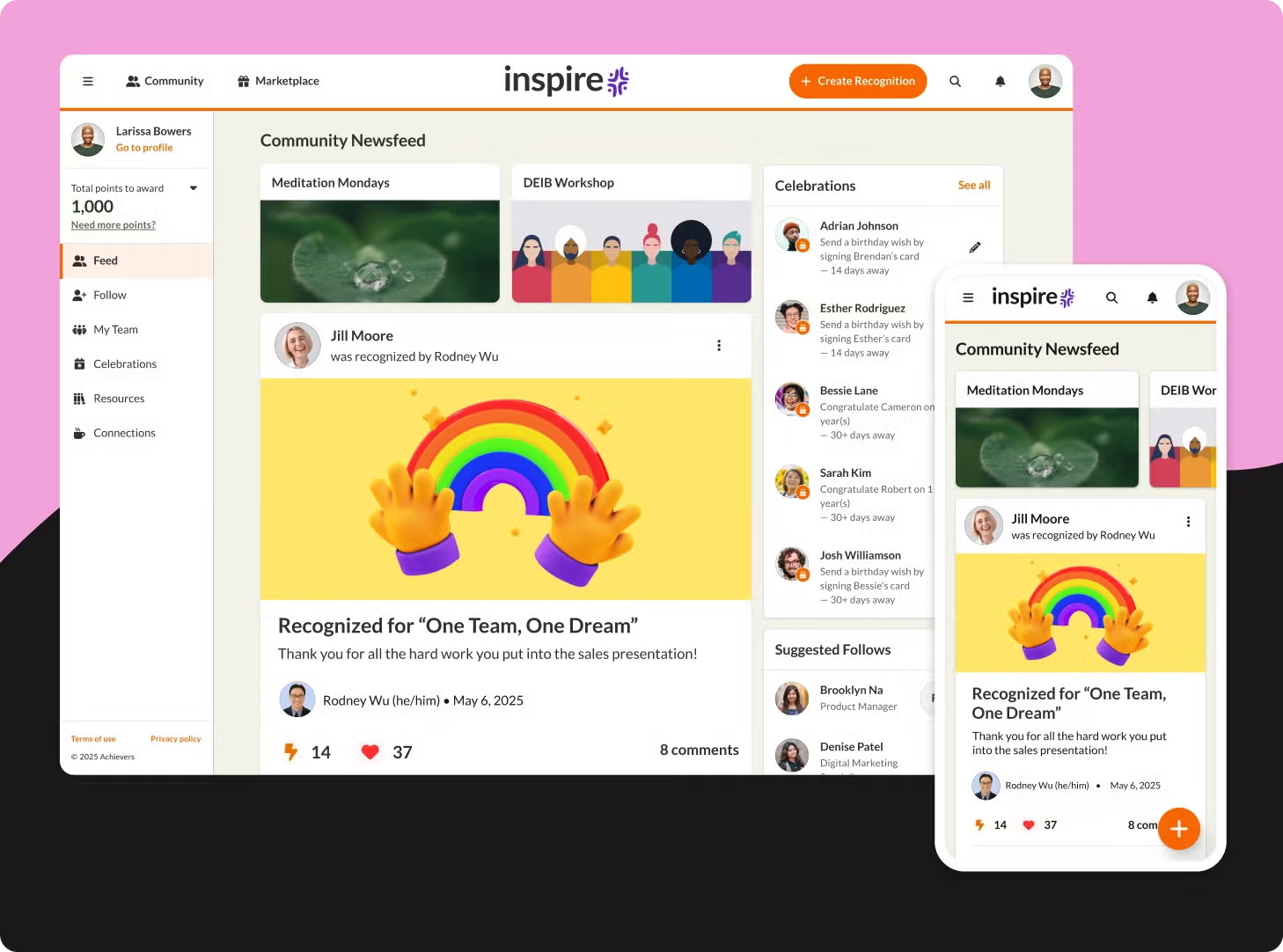
Achievers is an enterprise‑grade recognition and rewards platform with built‑in employee listening capabilities, designed to help organisations understand employee sentiment and respond in visible, meaningful ways. Achievers embeds feedback into the broader employee experience through Achievers Pulse and Voice of Employee, alongside recognition, rewards, celebrations and milestones, and internal communications.
Achievers supports real‑time sentiment capture through pulse surveys and structured listening through surveys, polls, forms, and quizzes. It also supports employee lifecycle feedback (e.g., 30‑60‑90 day onboarding surveys and exit surveys) and provides leader‑oriented views like team insights, benchmarks, dashboards, and heatmaps, with action guidance to help teams respond to results.
Best for:
Enterprise and mid‑market organisations that want to pair employee surveys with visible action, using recognition and rewards to turn feedback into measurable culture and performance outcomes.
Key features:
- Research‑backed pulse surveys designed to capture real‑time employee sentiment on a flexible cadence.
- Voice of employee tools that include surveys, polls, quizzes, and forms to support continuous listening.
- Built‑in lifecycle surveys for onboarding (30‑60‑90 days), ongoing engagement, and customised exit feedback.
- Visual dashboards with benchmarks, trends, and heatmaps that help leaders quickly identify focus areas.
- Leader action guidance embedded into survey results to support interpretation and next steps.
- Single‑platform visibility that connects survey insights with recognition activity, milestone celebrations, and engagement signals.
- Enterprise‑grade integrations with tools like Workday, Microsoft, Outlook, and Slack to support adoption.
- Dedicated customer success and 24/7 global support to help organisations design, launch, and sustain survey programs.
Weakness:
Achievers may exceed the needs of very small organisations looking for a lightweight, survey‑only solution without integrated recognition or rewards.
Customer review:
“What I particularly appreciate about Achievers is that it makes it easier to see the contributions and efforts made in our daily work, and it fosters a culture where we can freely express gratitude and praise to one another. In our day-to-day work, we tend to focus on the tasks right in front of us, but Achievers gives us an opportunity to take a fresh look at the support we receive from others and our contributions to the team… Another appealing aspect is that it allows us to acknowledge each other’s positive actions across departments and positions, which I feel helps foster a sense of unity and improve engagement throughout the entire organization.” Verified review via G2
2. ThriveSparrow
G2 rating: 4.3/5
Strengths:
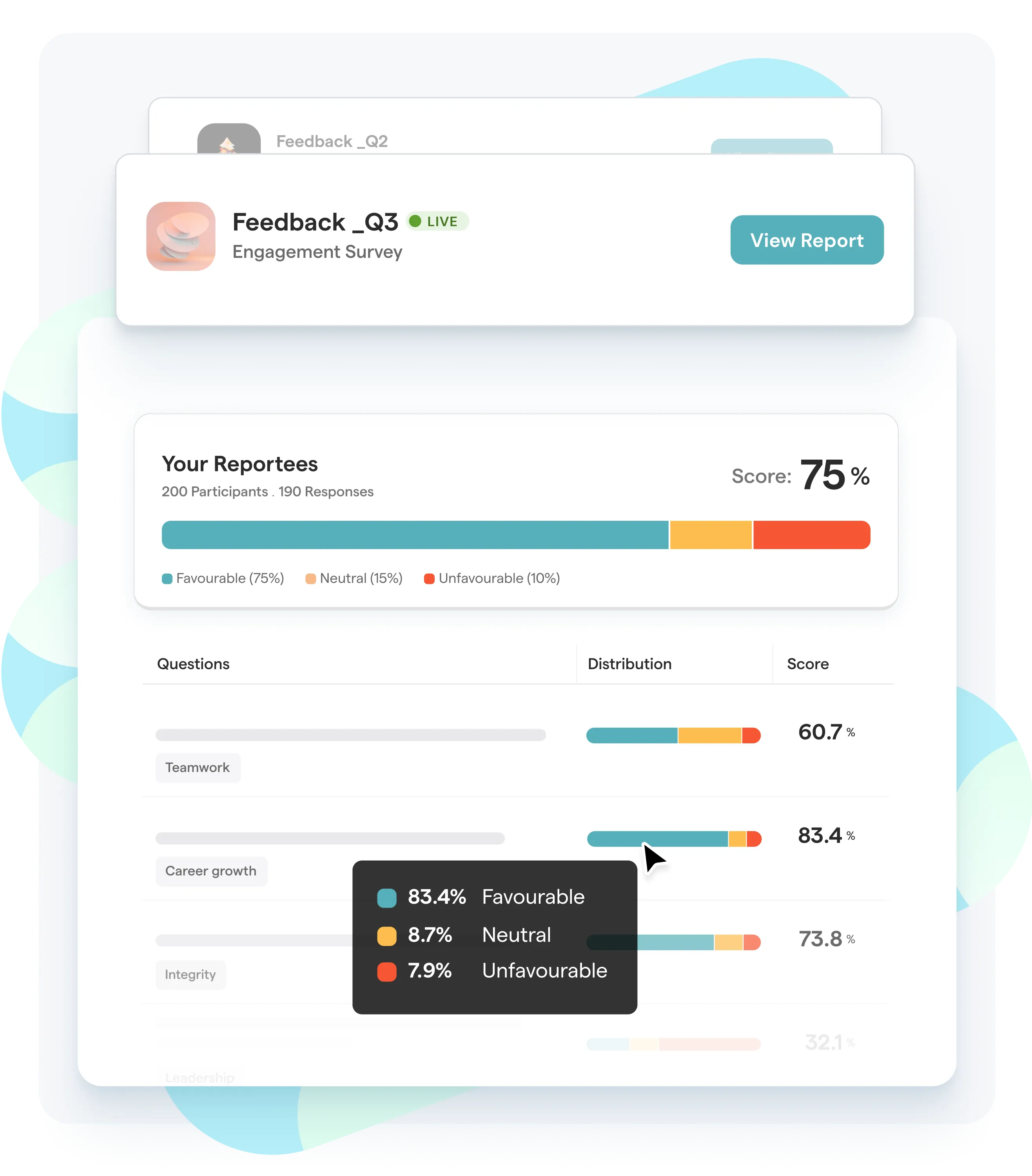
ThriveSparrow is an AI-powered employee success platform that combines employee engagement, performance reviews, goals and OKRs, feedback, and one-on-ones in one product. It offers engagement listening features such as pulse surveys and eNPS surveys, including QR-code sharing for easier access in frontline or field settings, and it positions AI sentiment analysis as a way to surface themes in employee comments. It also supports 360-degree feedback and presents results using reporting views such as heatmaps and team analytics.
Best for:
Organisations that want engagement surveys and performance reviews in a single tool.
Key features:
- Supports automated pulse surveys with configurable frequency
- eNPS surveys with reporting views such as heatmaps and trend monitoring
- 360-degree feedback with AI-supported outputs and heatmap-style reporting
Weakness:
May require additional validation if you need enterprise-grade recognition and rewards governance in the same platform.
Customer review:
“I like its easy-to-use platform and the way it delivers unbiased and personalized reports according to our preferences. ThriveSparrow molds the surveys according to our needs, which is quite handy.” Sarthak G., via G2
3. Connecteam
G2 rating: 4/6/5
Strengths:
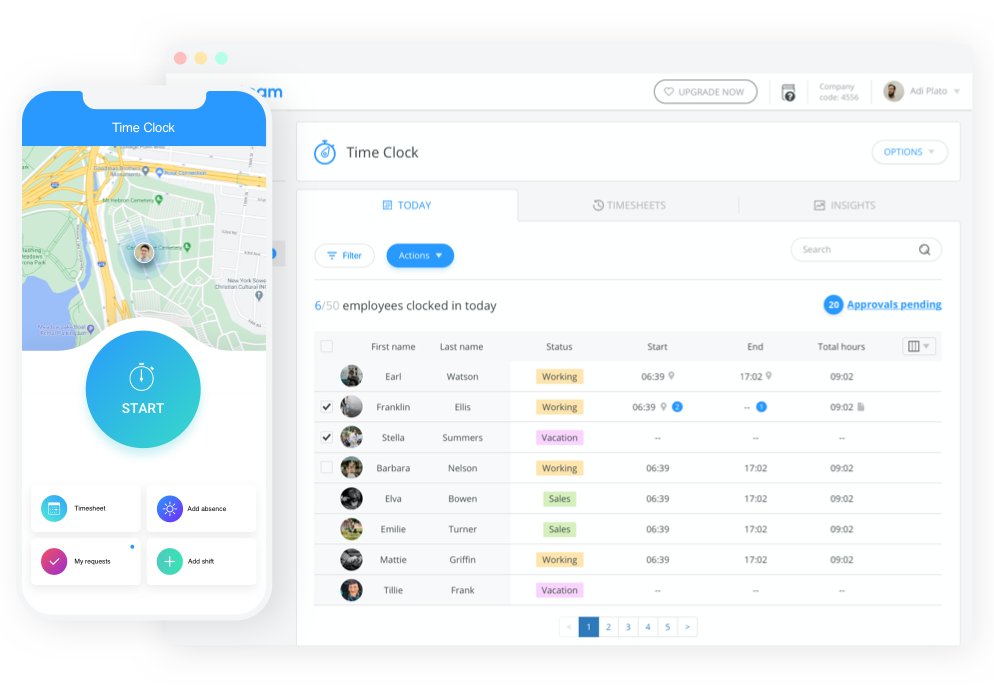
Connecteam is an employee management app built for deskless teams, combining operations, communications, and core HR tools in one mobile-first platform. It includes employee surveys and live polls as part of its Communication Hub, with options such as templates, reminders, completion tracking, and exportable results. Connecteam also highlights governance and security credentials, and it positions 24/7 support as part of its customer experience.
Best for:
Organisations managing deskless teams that want scheduling, time tracking, and basic employee feedback.
Key features:
- Employee surveys and live polls with real-time results and completion tracking
- Anonymous surveys available on the Communications Advanced Plan, with survey response export to Excel
- Mobile-first communication hub including chat, updates, surveys, directory, and knowledge base
Weakness:
Survey and feedback capabilities may be more lightweight than platforms built specifically for deeper employee listening and action planning.
Customer review:
“It is simple to use, keeps everything organized in one platform, and helps improve communication and visibility across the team.” Verified review via G2
4. Small Improvements
G2 rating: 4.3/5
Strengths:
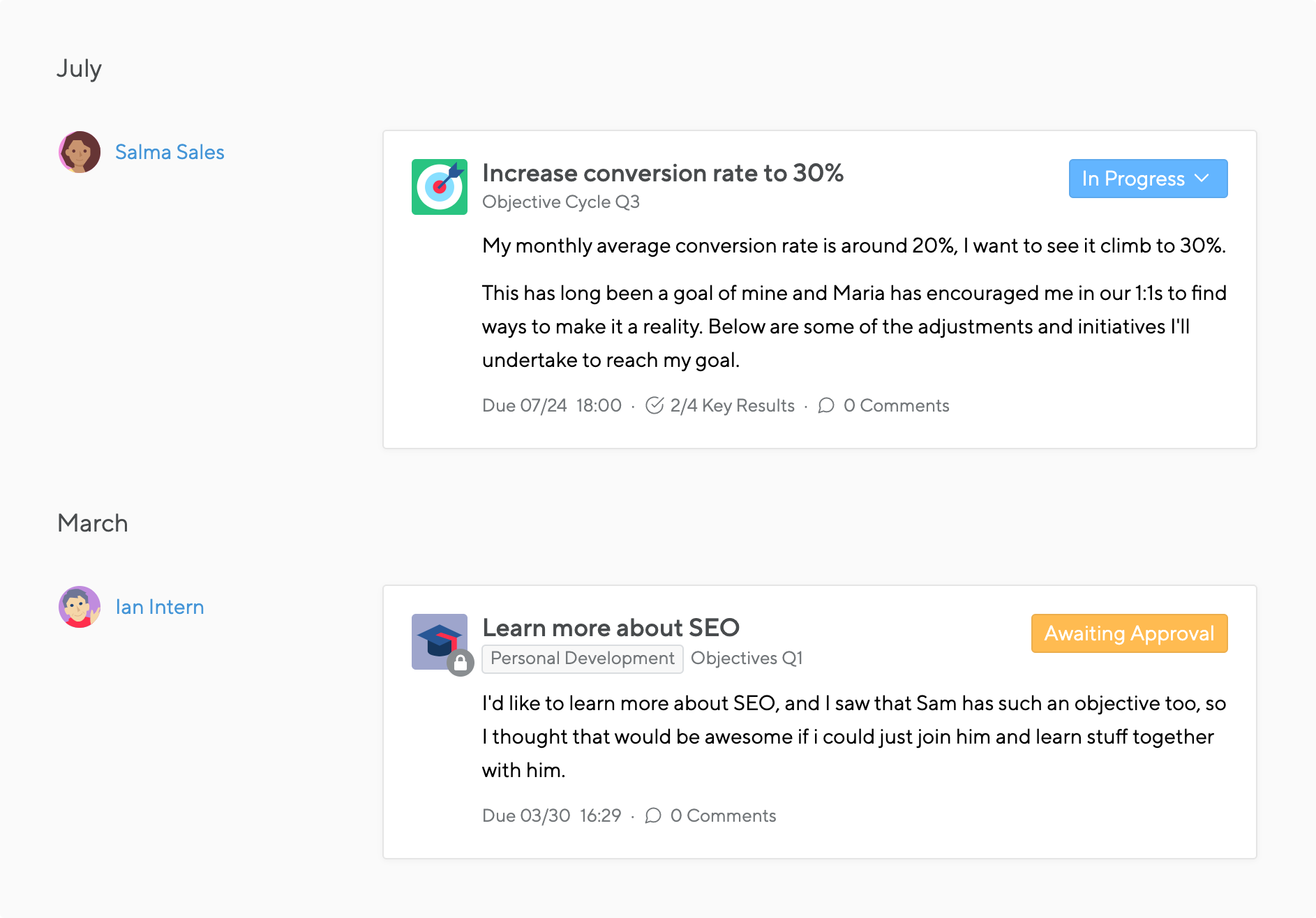
Small Improvements is a performance management platform focused on reviews, feedback, objectives, and one‑to‑one meetings, designed primarily for small to mid‑sized organisations. It offers pulse surveys and continuous feedback tools to help teams gather regular employee input, alongside performance reviews and 360‑degree feedback.
Best for:
Companies looking for a performance management tool with built‑in pulse surveys and feedback.
Key features:
- Pulse surveys with confidential responses and trend reporting over time
- Performance reviews and 360‑degree feedback with configurable workflows and analytics
- Objectives and one‑to‑one meetings linked to ongoing feedback and review cycles
Weakness:
It may be less suitable for organisations that need recognition, rewards, and employee listening combined in a single platform.
Customer review:
“I wish things were clearer on the dashboard of it will be sent out on this date and they have until this date to complete it without going back in and doing a lot of editing.” Emily N., via G2
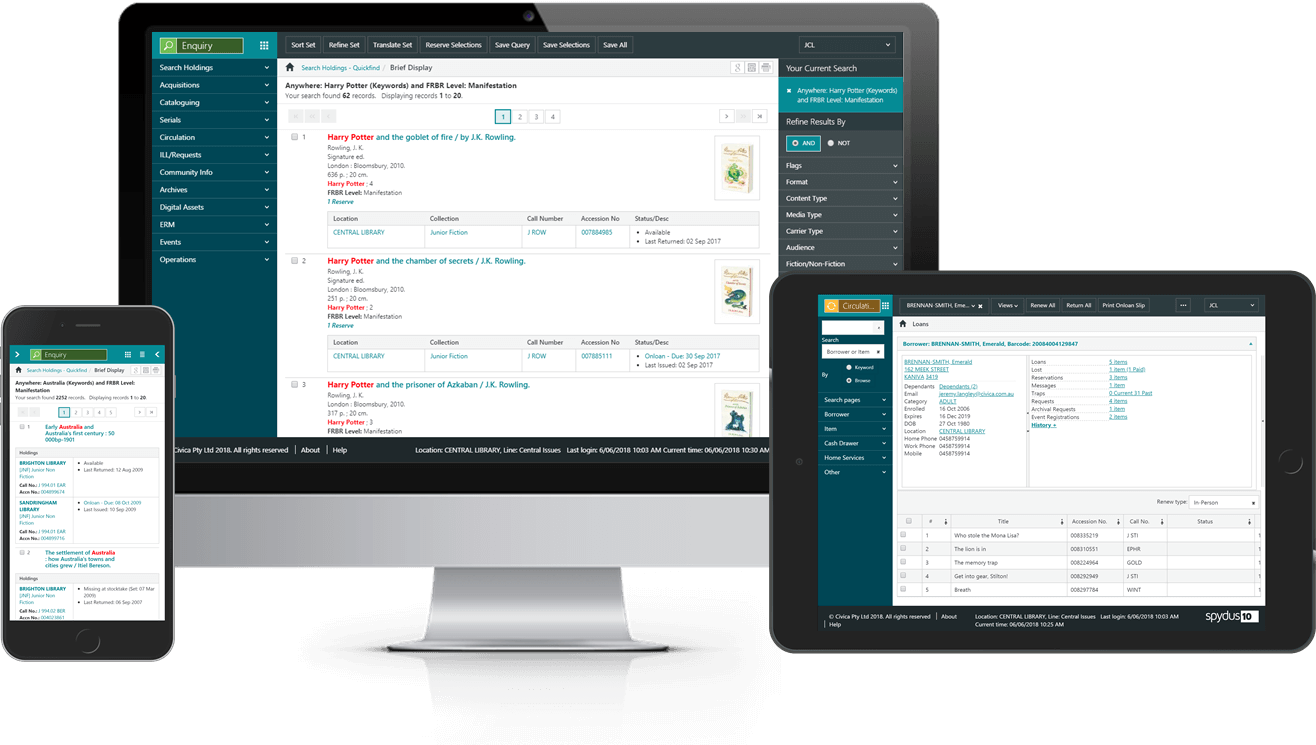
5. Civica Empower
G2 rating: 4/5
Strengths:
Civica Experience is an employee experience platform focused on collecting and analysing employee feedback. It is designed to help organisations understand how employees feel across teams and levels, from frontline staff to senior leaders. The platform places a strong emphasis on qualitative feedback, using automated text analysis to identify themes, sentiment, and areas that may need attention.
Best for:
Public‑sector and highly structured organisations that prioritise large‑scale employee feedback and qualitative insight.
Key features:
- Surveys distributed via email, SMS, QR codes, and mobile devices
- Support for National Quarterly Pulse Surveys for NHS customers
- Optional mobile app (iOS and Android) for data collection
Weakness:
May not be the right fit for organisations looking for performance, recognition, and rewards features alongside employee surveys.
Customer review:
“Easy to use for recording time entry and resource management.” Verified review via G2
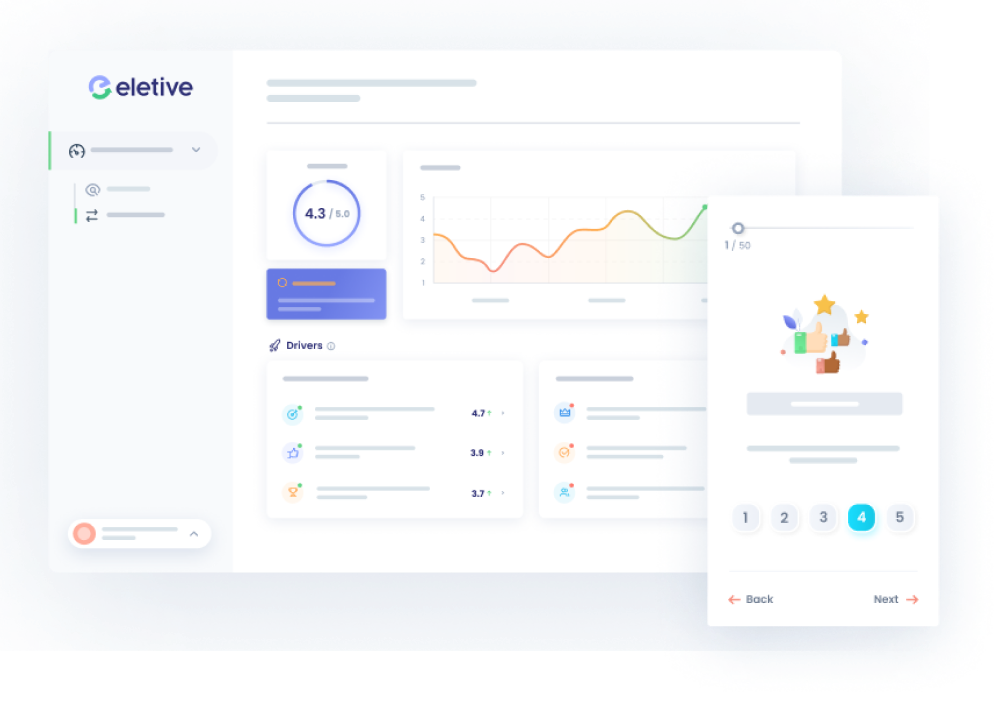
6. Eletive
G2 rating: 4.6/5
Strengths:
Eletive is an employee engagement and performance platform centred on intelligent pulse surveys and analytics to track engagement and wellbeing across an organisation. It positions machine learning and adaptive survey logic as a way to ask the right questions at the right time and reduce survey fatigue. Eletive includes action plans and recommendations, plus performance features such as objectives and OKRs, one-to-ones, and 360-degree feedback.
Best for:
Organisations that want a survey-led engagement platform with goal alignment and action planning features.
Key features:
- Ready-to-use pulse survey templates with open-ended questions and lifecycle surveys
- Machine learning and AI for survey intelligence, recommendations, and sentiment analysis
- Action plans linked to survey results, with dashboards and heatmaps for trend tracking
Weakness:
Recognition and rewards are not the core focus, so organisations may need a separate system to deliver those programmes at scale.
Customer review:
“Only improvements I see is some features for sharing comments to specific department-leads or managers, but there are work-arounds for this.” Edvard Solbak S., via G2
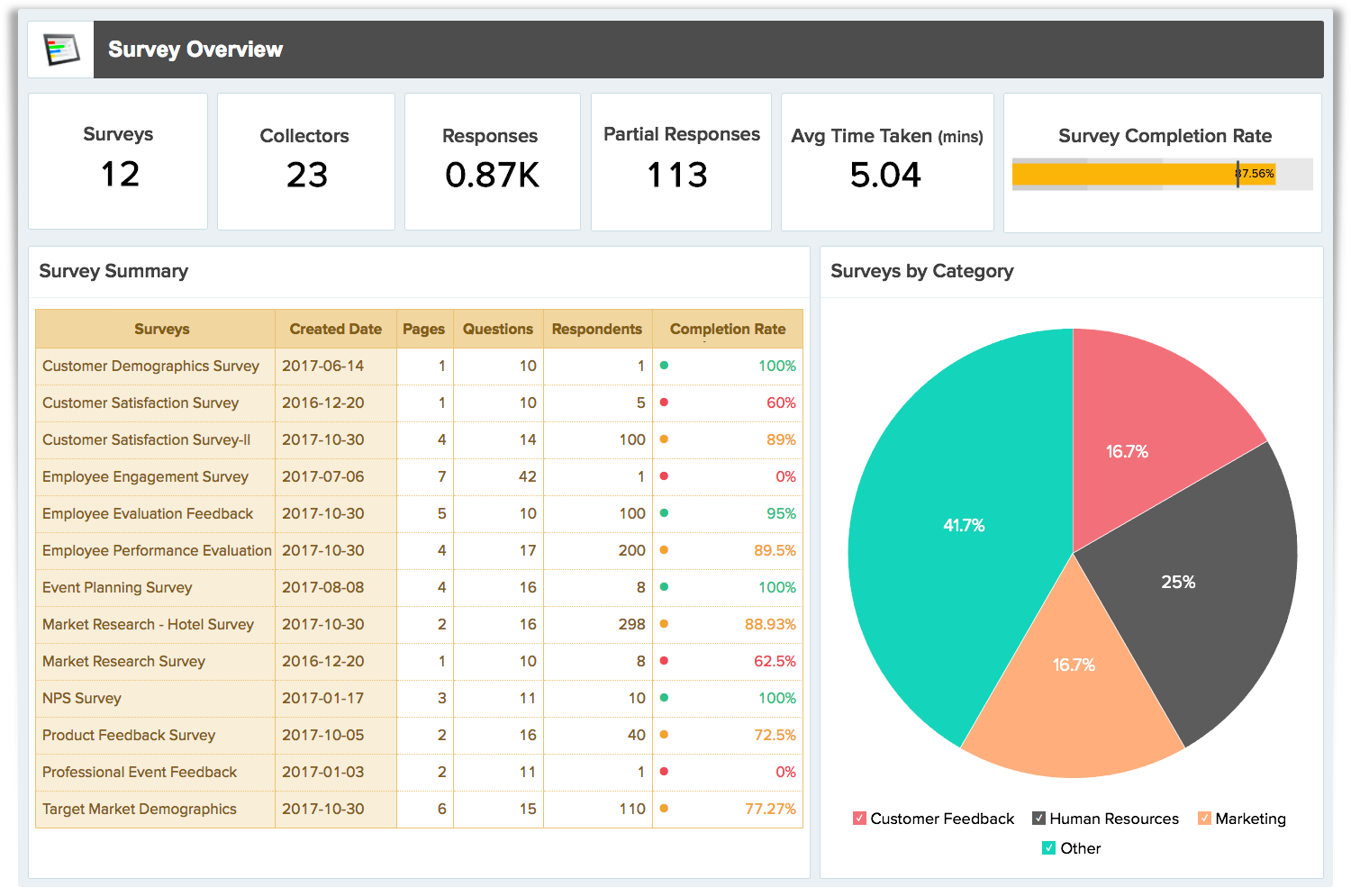
7. Zoho Survey
G2 rating: 4.4/5
Strengths:
Zoho Survey is a general‑purpose survey platform designed to collect feedback across customer, employee, and market research use cases. It offers a wide range of question types, templates, and logic options, and supports common experience metrics such as eNPS, CSAT, and NPS. As part of the wider Zoho ecosystem, it integrates with other Zoho tools and provides basic analytics and reporting for survey results.
Best for:
Organisations that need a flexible, standalone survey tool for multiple feedback use cases.
Key features:
- Customisable surveys with advanced logic, branching, and 30+ question types
- Employee feedback metrics including eNPS, CSAT, and CES with real‑time reporting
- Integrations with Zoho CRM, Zoho Analytics, and other Zoho applications
Weakness:
Teams may need additional systems to turn feedback into ongoing engagement, recognition, or action at scale.
Customer review:
“The reporting and visualisation tools are helpful, but they can feel somewhat basic compared to dedicated analytics platforms, so you may still need to export data elsewhere for deeper analysis.” Tiwari S., via G2
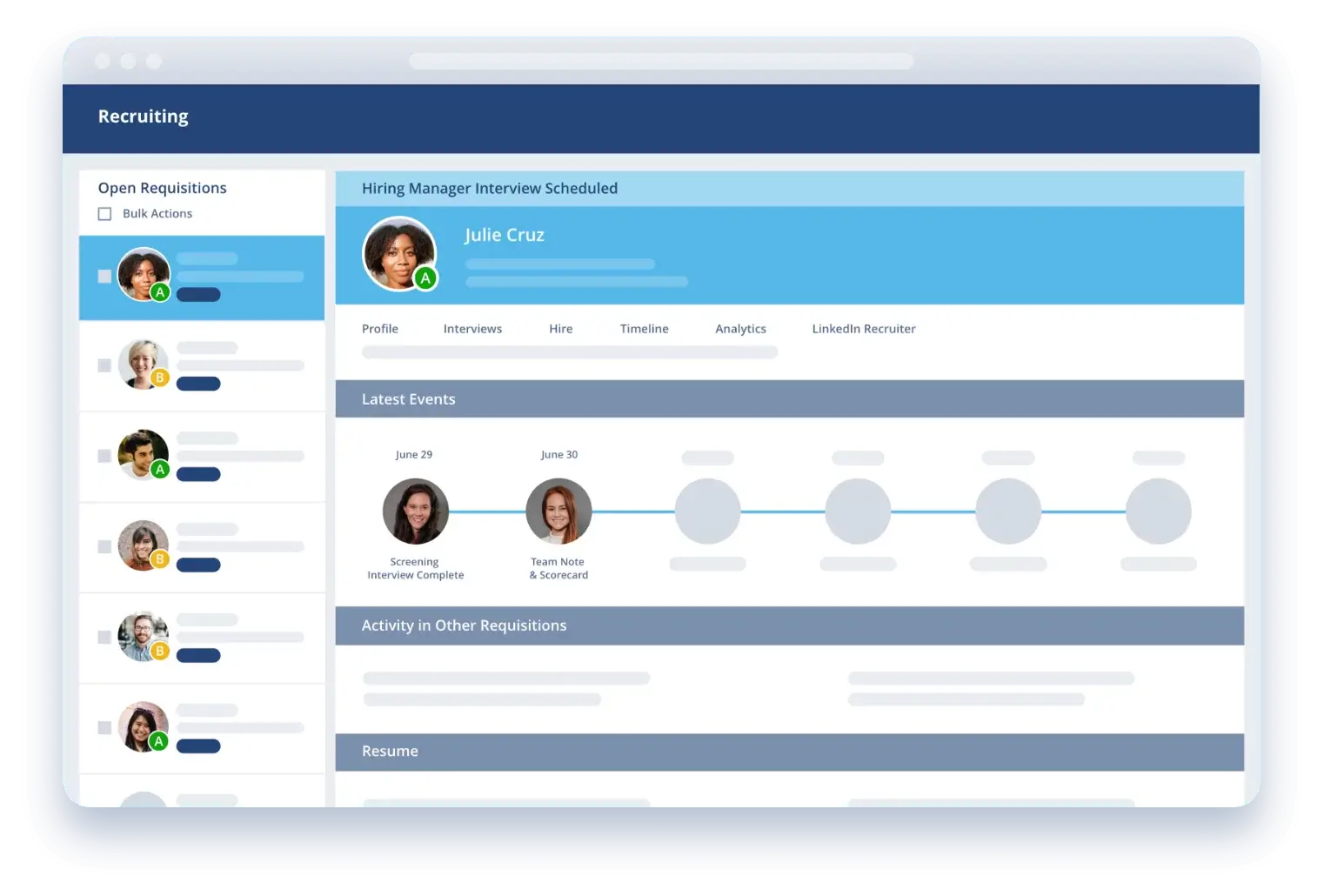
8. ClearCompany
G2 rating: 4.6/5
Strengths:
ClearCo is a unified talent management platform that brings recruiting, onboarding, performance, learning, and engagement into one connected system. It includes employee engagement features such as surveys, feedback, goal tracking, one‑to‑ones, and analytics, with a focus on giving leaders a consolidated view of the talent lifecycle. The platform uses AI‑powered analytics and dashboards to surface trends across hiring, development, and engagement, helping organisations connect people data across multiple stages of work.
Best for:
Organisations that want engagement and performance data connected to recruiting, onboarding, and talent management.
Key features:
- Employee engagement surveys and feedback linked to goals, one‑to‑ones, and performance reviews
- Performance management tools including goals, OKRs, and 360‑degree feedback
- AI‑powered people analytics and dashboards across the talent lifecycle
Weakness:
Employee listening is part of a wider talent suite, which may feel more complex for teams looking for a focused surveys‑and‑feedback solution.
Customer review:
“I value having access to the dashboards, an efficient process to post and push to offer letters, and creating a positive experience for our hiring managers.” Sophie L. via G2
9. Qualtrics
G2 rating: 4.4/5
Strengths:
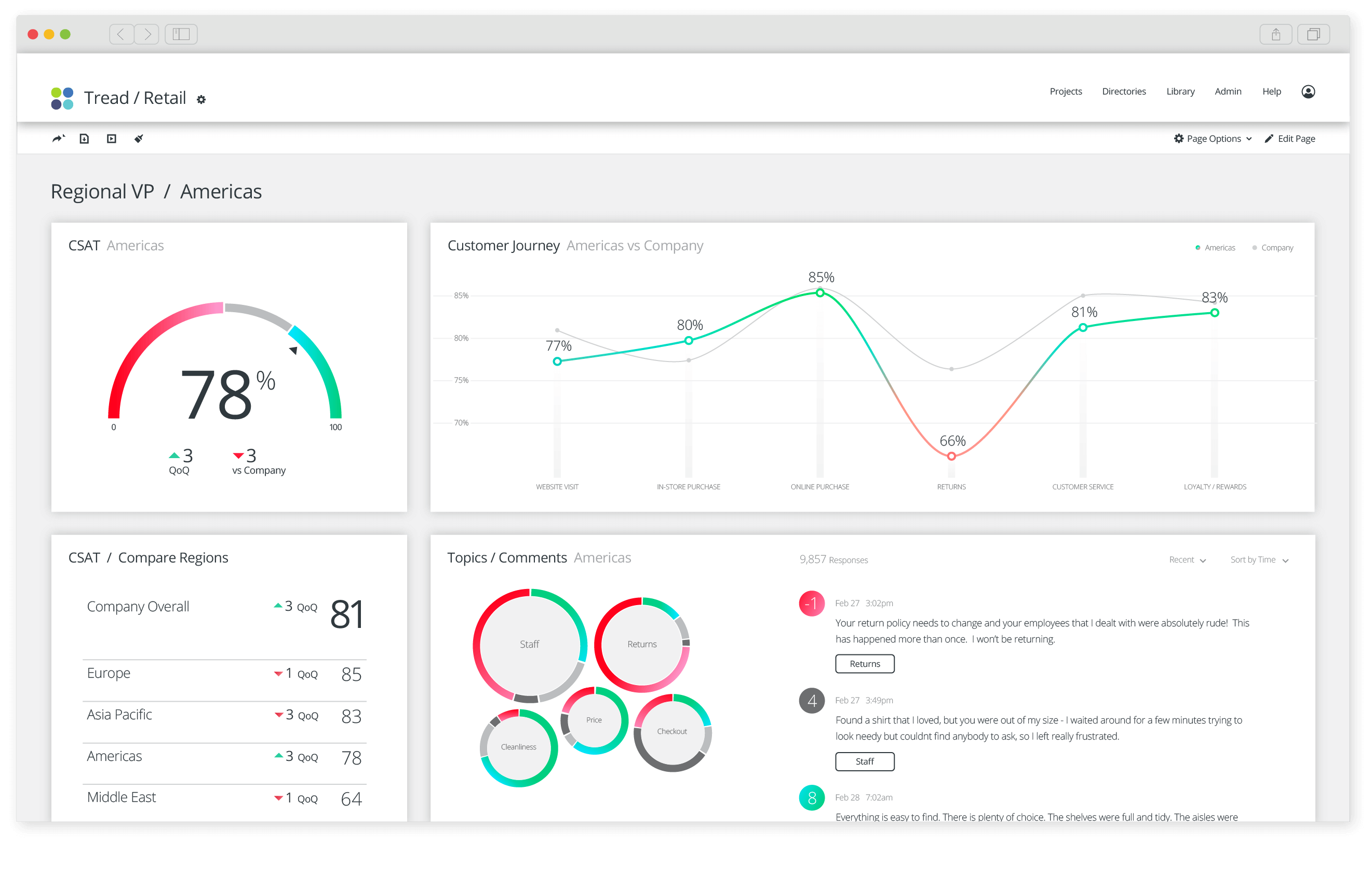
Qualtrics is an enterprise experience management platform designed to capture and analyse feedback across employee, customer, and brand experiences. For employee experience, it offers engagement and pulse surveys, lifecycle listening, and 360‑degree development feedback, supported by advanced analytics and AI‑driven insights.
Best for:
Teams that need an employee experience platform with advanced analytics and governance.
Key features:
- Employee engagement and pulse surveys with lifecycle listening and real‑time dashboards
- AI‑driven analytics for sentiment, drivers, and predictive insights across employee feedback
- 360‑degree development feedback supported by structured frameworks and reporting
Weakness:
Companies that want surveys tied directly to recognition and rewards delivery in the same platform may need an additional system.
Customer review:
“I like how easy it is to create surveys and gather insights quickly. The platform is very flexible and the reporting features helps in understanding the data clearly without much effort.” Jayaram B. via G2
10. EngageRocket
G2 rating: 4.5/5
Strengths:
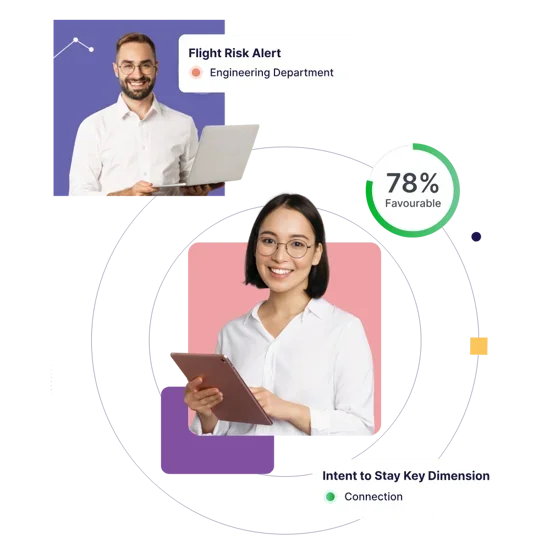
EngageRocket is an employee experience and workforce intelligence platform focused on turning employee feedback into action across the employee lifecycle. It combines real‑time employee surveys, deep segmentation, benchmarking, and analytics‑to‑action capabilities. The platform also includes multi‑rater 360‑degree feedback and development planning, and positions people‑science advisory support alongside its technology.
Best for:
Organisations that want an employee experience platform with analytics, benchmarking, and advisory support.
Key features:
- Real‑time employee engagement surveys with lifecycle listening and advanced segmentation
- Analytics‑to‑action capabilities including benchmarking, AI recommendations, and predictive insights
- Multi‑rater 360‑degree feedback with development planning and progress tracking
Weakness:
Recognition and rewards are not the core focus, so organisations may need a separate system to deliver those programmes at scale.
Customer review:
“Having built-in strategy suggestions or next-step recommendations based on data insights would further empower HR to take timely and targeted action.” Verified review via G2
11. Reward Gateway
G2 rating: 4.6/5
Strengths:
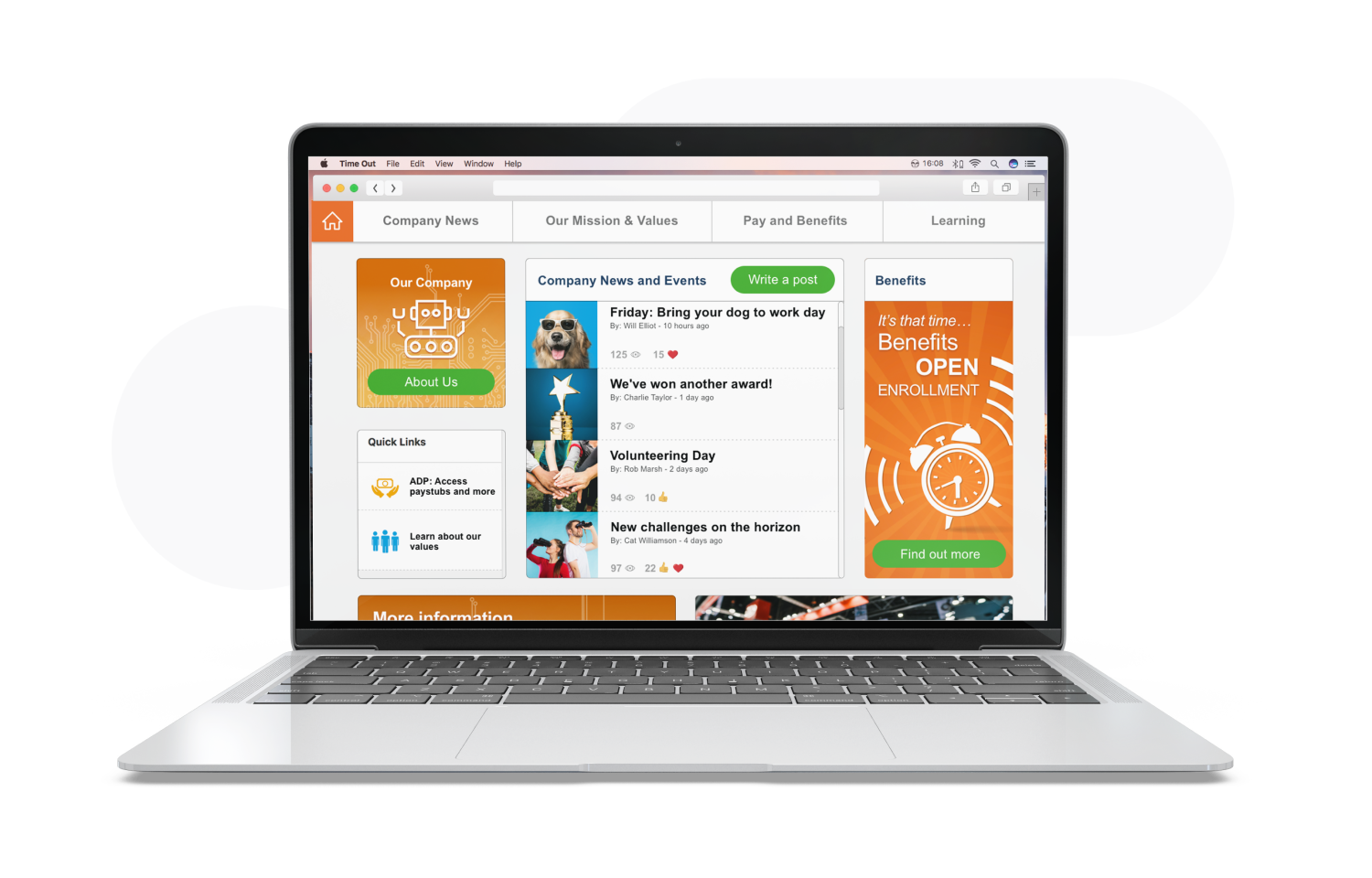
Reward Gateway is an employee engagement platform that brings together recognition and rewards, employee benefits, communications, wellbeing, and surveys in a single branded hub. It is well known for its discounts and benefits offering, alongside tools for peer recognition and internal communications. The platform also includes employee surveys and engagement analytics to help organisations understand sentiment and track the impact of engagement initiatives.
Best for:
Businesses that want to combine employee discounts, recognition, and communications with basic engagement surveys.
Key features:
- Employee engagement surveys including pulse surveys, eNPS, and custom questionnaires
- Recognition and rewards programs combined with employee discounts and benefits
- Engagement analytics to track survey results and programme impact
Weakness:
Organisations that want deeper survey insights and tighter links between feedback and recognition actions may need an additional platform.
Customer review:
“The main challenge has been on the technical side, particularly the time it took to align the platform with our HR system and ensure everything integrated smoothly.” Katie B., via G2
12. Culture Amp
G2 rating: 4.5/5
Strengths:
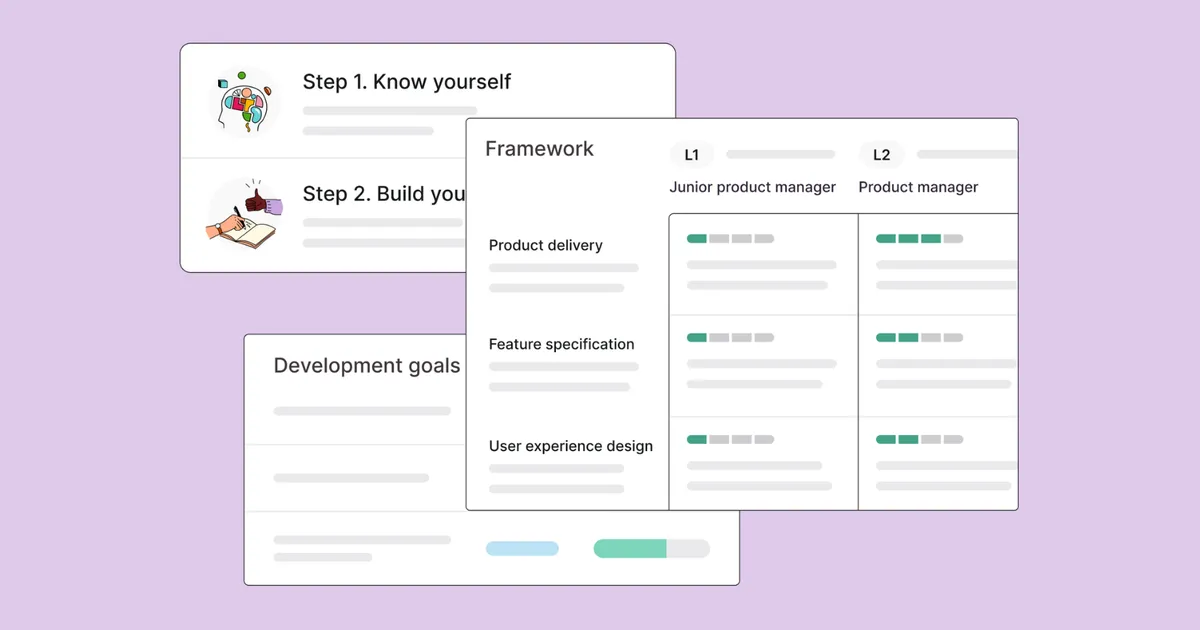
Culture Amp is an employee experience platform focused on measuring and improving engagement, performance, and culture. It offers engagement and pulse surveys, lifecycle listening, and 360‑degree feedback, supported by people science, benchmarks, and AI‑driven recommendations. The platform emphasises research‑backed surveys and benchmarking.
Best for:
Organisations that want a survey‑led employee experience platform with benchmarking and culture insights.
Key features:
- Employee engagement and pulse surveys with science‑backed templates and lifecycle listening
- Benchmarking and analytics to compare engagement and culture across teams and industries
- Performance and development tools, including goals, development plans, and 360‑degree feedback
Weakness:
Teams that want surveys tied directly to recognition and rewards delivery in the same platform may need an additional system.
Customer review:
“The main limitation we’ve run into with engagement surveys is that the platform is strong on the what but can leave you without enough of the why.” David F. via G2
13. Survey Monkey
G2 rating: 4.4/5
Strengths:
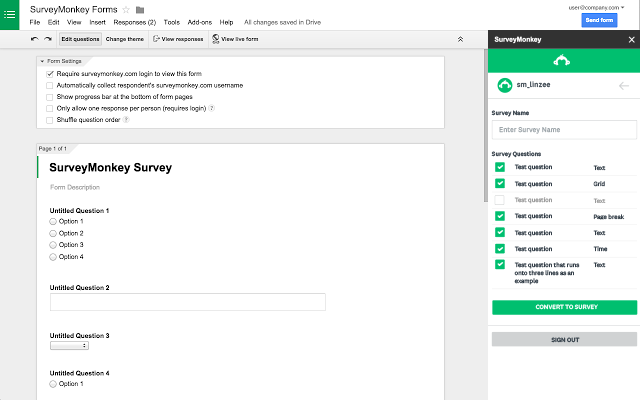
SurveyMonkey is a general survey and forms platform designed to create, distribute, and analyse feedback across customer, employee, and market research use cases. It offers a large template library and AI-assisted tools for survey creation and analysis, including text analysis for open-ended responses and the ability to track trends across connected surveys over time.
Best for:
Teams that need a flexible survey platform for multiple feedback programmes.
Key features:
- Employee engagement programmes with connected surveys and trend tracking over time
- AI survey creation and AI analysis tools for segmentation and open-ended text insights
- Multi-channel distribution and integrations with tools such as Slack and Microsoft Teams, plus enterprise admin controls
Weakness:
Survey insights can sit outside day-to-day employee programs, so connecting feedback to recognition and rewards often requires another platform.
Customer review:
“What I like most about SurveyMonkey is how quickly I can take an idea and turn it into a well-structured survey, especially with the help of its practical templates.” Sagar K., via G2
14. Employment Hero
G2 rating: 4.3/5
Strengths:
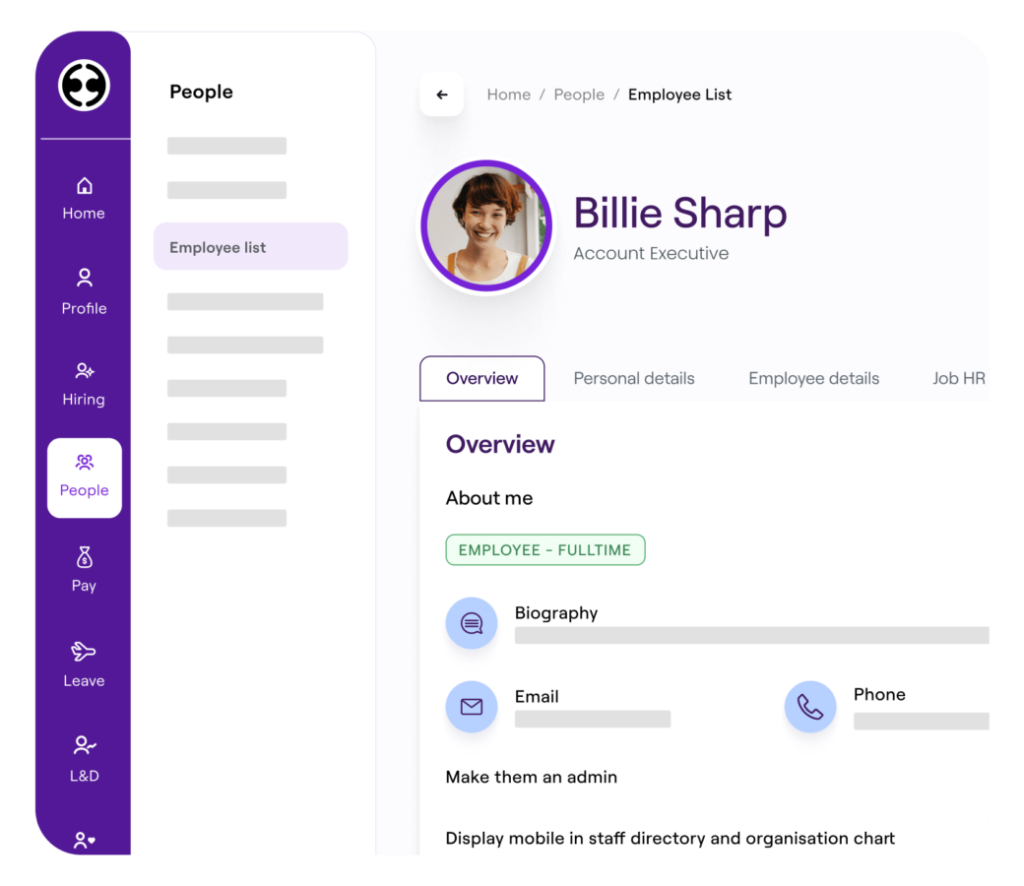
Employment Hero is an all‑in‑one employment platform that combines HR, payroll, hiring, and employee engagement in a single system. Its employee engagement capabilities include happiness surveys, OKRs for goal alignment, and peer‑to‑peer shoutouts, all delivered through a mobile‑first employee app. Engagement insights sit alongside core HR and payroll data, making it easier for organisations to manage people processes and basic engagement needs in one place.
Best for:
Small to mid‑sized organisations that want employee engagement features built into a broader HR and payroll platform.
Key features:
- Employee happiness surveys with anonymous feedback and basic reporting
- Objectives and key results (OKRs) for goal alignment across teams and individuals
- Peer‑to‑peer shoutouts and recognition within the employee app
Weakness:
Engagement and recognition are part of a broader HR suite, so organisations looking for deeper survey insights and rewards programmes may need additional tools.
Customer review:
“Overall, it provides an efficient, centralised system that supports multiple aspects of the employee lifecycle.” Sarita K., via G2
15. Microsoft Viva Glint
G2 rating: 4.6/5
Strengths:
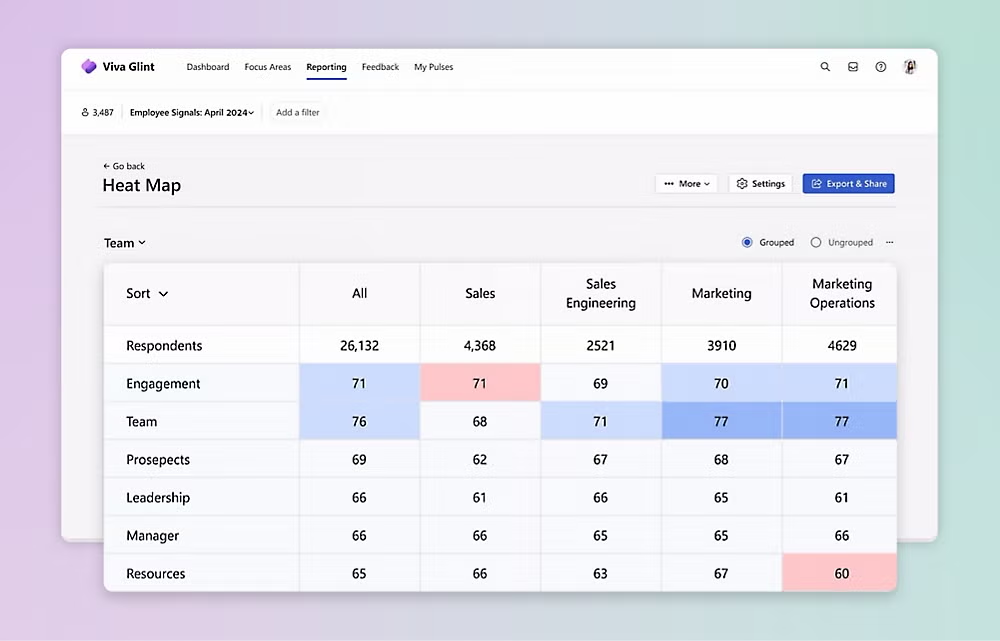
Microsoft Viva Glint is an employee engagement and listening platform focused on organisation‑wide surveys across the employee lifecycle. It supports engagement, pulse, lifecycle, and 360‑degree feedback surveys, with results analysed using people‑science models and AI‑assisted insights through Copilot in Viva Glint. As part of the Microsoft Viva ecosystem, it integrates with Microsoft 365 tools to help leaders review sentiment, identify trends, and guide manager follow‑up.
Best for:
Organisations already using Microsoft 365 that want employee engagement surveys integrated into the Viva employee experience platform.
Key features:
- Engagement, pulse, lifecycle, and 360‑degree feedback surveys delivered organisation‑wide
- AI‑assisted analysis and comment summarisation using Copilot in Viva Glint
- Manager dashboards and guided conversations to support follow‑up actions
Weakness:
Focuses on employee listening first, and may require other tools to support recognition and rewards.
Customer review:
“Great and anonymous way to have our voices heard as employees. Allows for transparency between upper management and the rest of the organisation. Is easy to use and intuitive.” Verified review via G2
How to choose the right employee survey tool
The right survey tool is the one that fits your organisation’s reality.
Organisation size and complexity
Start with the shape of your organisation. A survey tool that works well for a small, centralised team can quickly feel limiting as the business looks to grow.
As organisations scale, surveys need to work across multiple teams and locations, support manager‑level insights, and still give HR a clear view of how employees across the company are feeling. And for larger, more complex organisations, that same visibility needs to hold up across functions, regions, and leadership teams.
HR maturity and governance needs
Survey tools should match how structured your HR department is today, not where you hope it will be in a few years. Some teams need lightweight tools to get started; others require strong governance, consistency, and oversight from day one.
If fairness, documentation, and repeatable processes matter, as they often do, look for tools that support local regulations and compliance, while still giving managers room to engage meaningfully with their teams.
Existing HR tech stack
How well a platform fits into your existing HR ecosystem can shape everything from adoption to action.
Tools that integrate cleanly with your HRIS systems or recognition platforms reduce friction and make it easier to connect feedback with what’s actually happening across the employee experience. When surveys fit naturally into the workday, they’re more likely to be used and acted on.
Internal capability to act on insights
Before choosing a platform, it’s worth being honest about who will review results, who will own follow‑up, and how much support managers need to turn insight into next steps.
Platforms that guide action planning, identify priorities clearly, and support managers along the way help bridge the gap, especially when time and capability are already stretched thin.
Budget expectations
Budget matters, but price alone doesn’t always tell the full story. A lower‑cost tool that produces insight you can’t act on is more expensive in the long run than one that helps teams make better decisions, faster.
Instead of looking for the cheapest or most feature‑packed option, focus on value. Look at how it supports listening, trust, and follow‑through.
Regulatory and compliance considerations for employee surveys
Purpose: Establish credibility and trust without turning the blog into a legal explainer.
Employment and workplace fairness considerations
In Singapore, workplace practices are guided by Tripartite standards, built on fairness, consistency, and collaboration. Employee surveys should reflect that by being transparent, thoughtfully designed, and followed by clear action. Explaining how feedback is used and showing progress over time helps employees feel heard. Plus, it supports fair, thoughtful people decisions as expectations around workplace fairness continue to grow.
Personal data protection and employee feedback
Employee survey responses are treated as personal data under Singapore’s PDPA. For HR teams, this means choosing survey partners who take data care seriously. Look for secure handling, clear rules on who can access results, and sensible data storage and retention practices. When employees trust that their feedback is protected, they’re more comfortable sharing honest, meaningful input.
Using surveys responsibly in people decisions
Surveys are a powerful signal, but they’re not a verdict. Use feedback to guide decisions, not replace judgment, and focus on trends instead of individuals. Aggregated insights protect privacy and keep feedback constructive. When employees see their input used responsibly and thoughtfully, trust grows, participation stays strong, and survey programs remain credible over the long term.
This article provides general information only and does not constitute legal or tax advice. Requirements under local guidelines may vary. Consult qualified advisors and official agencies.
Choose a survey tool that helps you listen and act
Choosing the right survey tool depends on more than features alone. It comes down to your organisation’s size, complexity, and what you expect surveys to do for your culture and business.
For some teams, a lightweight listening tool is enough. For others — especially growing or enterprise organisations — surveys need to connect to the everyday employee experience. They need to give leaders and managers clear ways to respond, reinforce the right behaviours, and build momentum over time.
Achievers takes a different approach. Employee listening is built directly into our employee engagement platform, so feedback doesn’t live on its own. The result isn’t just better data, but a more consistent way to help employees feel seen, heard, and valued at work.
When evaluating survey tools, the real question isn’t just how well they measure engagement, but how well they help you shape it.
*Information and pricing in this blog post was sourced from each vendors website

Employee survey tools in Singapore FAQs
Key insights
- Employee surveys matter most when they protect trust, surface real insight, and make follow‑through unavoidable.
- As organisations grow, survey tools need to move beyond listening to actively support managers in responding.
- The strongest survey platforms don’t treat feedback as an endpoint, but connect it to everyday employee experience.
| Platform | Best for | Key feature | Recognition feature | G2 rating |
|---|---|---|---|---|
| Achievers | Enterprise and mid‑market organisations that want to turn employee feedback into visible action | Research‑backed pulse surveys connected to recognition, rewards, and leader action guidance | 4.6/5 | |
| ThriveSparrow | Organisations that want engagement surveys and performance reviews in one platform | AI‑supported pulse surveys and 360‑degree feedback with heatmap reporting | 4.3/5 | |
| Connecteam | Teams managing deskless or frontline employees who need basic feedback tools | Mobile‑first surveys and live polls with real‑time completion tracking | 4.6/5 | |
| Small Improvements | Companies looking for performance management with built‑in pulse surveys | Pulse surveys linked to reviews, objectives, and one‑to‑ones | 4.3/5 | |
| Civica Experience | Public‑sector and structured organisations prioritising qualitative employee feedback | Multi‑channel surveys with automated text and sentiment analysis | 4/5 | |
| Eletive | Organisations seeking a survey‑led engagement platform with action planning | Machine‑learning‑driven pulse surveys with recommendations and heatmaps | 4.6/5 | |
| Zoho Survey | Teams that need a flexible, standalone survey tool for multiple use cases | Advanced survey logic with eNPS and real‑time analytics | 4.4/5 | |
| ClearCompany | Organisations connecting engagement data to recruiting and talent management | Engagement surveys tied to performance and lifecycle analytics | 4.6/5 | |
| Qualtrics | Enterprises needing advanced employee experience analytics and governance | AI‑driven employee listening with predictive insights | 4.4/5 | |
| EngageRocket | Organisations focused on analytics‑to‑action employee experience insights | Real‑time engagement surveys with benchmarking and advisory support | 4.5/5 | |
| Reward Gateway | Businesses combining rewards, benefits, and basic engagement surveys | Employee surveys integrated with discounts and recognition programs | 4.6/5 | |
| Culture Amp | Teams looking for survey‑led engagement and culture benchmarking | Science‑backed surveys with benchmarks and AI recommendations | 4.5/5 | |
| SurveyMonkey | Organisations running flexible employee and feedback programs at scale | Customisable surveys with AI‑assisted creation and analysis | 4.4/5 | |
| Employment Hero | SMBs wanting engagement features built into HR and payroll software | Happiness surveys with peer shoutouts and OKRs | 4.3/5 | |
| Microsoft Viva Glint | Microsoft 365 users running organisation‑wide engagement surveys | Lifecycle surveys with AI‑assisted insights via Copilot | 4.6/5 |