Table of contents
Create a culture that means business™
Schedule a demo with an Achievers solution expert today.


 Copy URL
Survey tools are one of the most direct ways UK organisations can understand what’s really happening at work, beyond engagement scores that lack context and detail. In HR environments, where fairness, process, and data protection matter, listening well isn’t optional. It’s part of how trust is built.
When organisations really listen to their employees, the payoff is real. When people receive meaningful feedback and recognition, behaviour changes. In fact, 85% of employees take more initiative when they receive feedback at work.
The challenge is that while many organisations collect feedback, they usually struggle to act on it in ways employees can actually see. This guide breaks down the top 15 employee survey tools making an impact in workplaces across the UK, and the key features HR leaders should look out for when choosing the right solution.
What types of employee surveys do UK organisations use?
UK organisations tend to use a mix of survey types, depending on their size, maturity, and what they need to understand. Some surveys track long‑term trends, while others focus on specific moments in the employee experience. Together, they help HR and team leaders move from assumptions to evidence.
Engagement surveys
Engagement surveys are typically run once a year or every two years and are used to establish a baseline view of how employees feel about their work, leadership, and organisation. In the UK, they’re often tied to organisational values, retention risk, and benchmarking against industry peers.
These surveys are useful for highlighting larger patterns, but on their own they can struggle to explain why scores move or what needs to change next.
Pulse surveys
Pulse surveys are shorter and run more frequently, often quarterly or monthly. They’re increasingly popular with businesses that want a clearer view of how employees are experiencing change, workload shifts, or new initiatives in real time.
Instead of replacing engagement surveys, pulse surveys usually sit alongside them, helping HR teams track progress, test assumptions, and respond earlier when issues start to emerge.
Lifecycle surveys
Lifecycle surveys focus on key moments in an employee’s journey, including onboarding, internal moves, and exits. These surveys help organisations understand whether processes feel fair, supported, and consistent.
In the UK, they’re particularly useful for identifying gaps in employment, development opportunities, and reasons for turnover that don’t always show up in engagement surveys.
Manager effectiveness surveys
Manager effectiveness surveys look specifically at how employees experience their line managers, including communication, support, and clarity of expectations. This is especially relevant in the UK, where research shows only 20% of employees feel connected to their manager.
These surveys help companies move beyond informal feedback and show where managers need clearer guidance, training, or support.
Well‑being and inclusion surveys
Well‑being and inclusion surveys look at factors such as workload, stress, belonging, and fairness at work. These surveys often overlap with legal responsibilities around health, safety, and equality, as well as broader cultural expectations.
Used well, they help identify risks early and understand whether policies and practices are having the intended effect on day‑to‑day experience, or whether employees are at risk of burnout at work.
15 best employee survey tools for HR and team leaders in the UK
1. Achievers
Capterra rating: 4.8/5
Strengths:
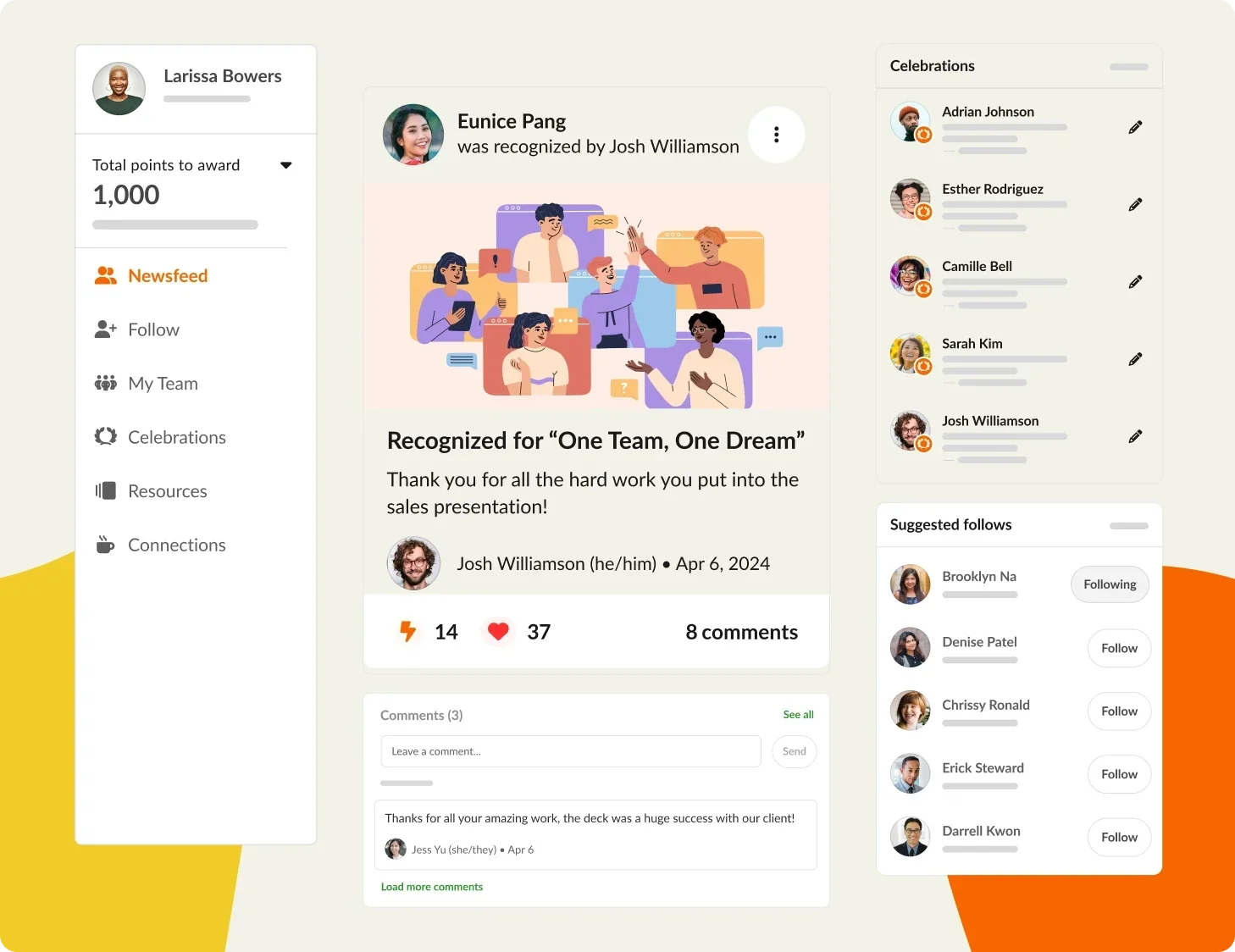
Achievers is a global recognition and rewards software designed to help organisations reinforce behaviours and culture through frequent, meaningful recognition.
Voice of Employee is the core toolkit for collecting structured feedback using surveys, polls, and quizzes. It includes templates and reporting to help teams run consistent surveys, track themes, and understand what needs attention across different parts of the employee experience.
Pulse is designed for more frequent check‑ins and ongoing improvement. It uses pulse surveys and science‑backed surveys tied to business priorities, and supports pulse checks, quarterly or annual surveys, and 30‑60‑90 day onboarding check‑ins. This allows organisations to track leading indicators over time, rather than relying on a single annual survey. Together, they allow organisations to run surveys and manage recognition in one unified system.
For organisations that want support beyond the tools, Achievers also offers a dedicated customer strategy and support model to help with programme deployment and ongoing optimisation, including 24/7 global support in 200+ languages.
Best for:
Mid-market and enterprise organisations that want a single platform to run surveys and keep listening active throughout the year, with the added benefit of linking feedback to recognition and day‑to‑day employee experience.
Key features:
- Surveys, polls, forms, and quizzes for gathering employee feedback across different use cases
- 100+ customisable templates to speed up survey creation and standardise question quality
- Always‑on listening channels to keep feedback flowing between scheduled surveys
- Pulse check‑ins and science‑backed surveys aligned to business priorities (including DEIB)
- Quarterly or annual survey options, plus 30‑60‑90 day onboarding check‑ins
- HRIS software integrations designed to keep listening connected to your existing people data and workflows
- Enterprise‑grade integrations that support usage in everyday tools, including Microsoft and Workday
Weakness:
Achievers is designed for mid‑market and enterprise organisations, so very small teams may find it offers more advanced survey and engagement capabilities than they need.
Customer review:
“With the fast paced world of operations, the ability to leave instant praise for someone is amazing. It’s easy to use, very straight forward but what matters most it recognises my team (and my extended team). I also apprecate the monthly reports that I get as a manager that tells me if my team are utilisig the platform. This means I can encourage them to utilise it, it makes someone’s day to hear that they are recognised and this allows you to do that.” Mark, Customer Success Director, via Capterra UK
2. Culture Amp
Capterra rating: 4.6/5
Strengths:
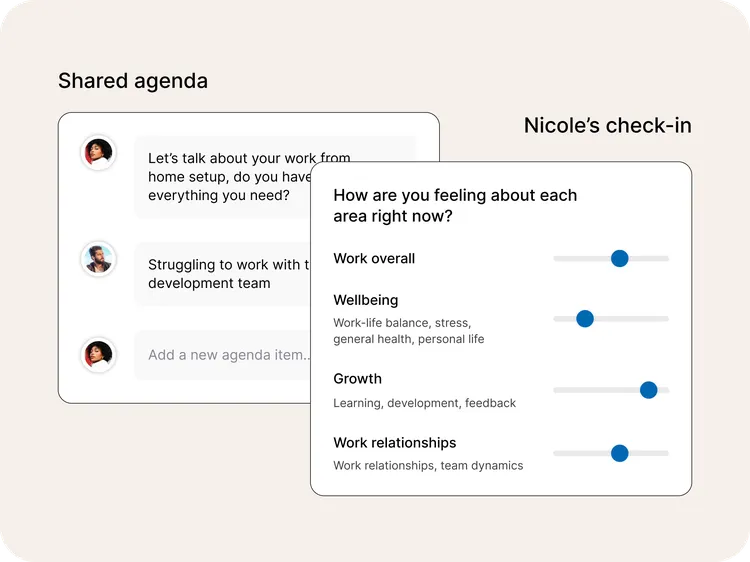
Culture Amp is a people and performance platform focused on employee engagement, performance management, and development. It’s widely used for engagement surveys, pulse surveys, and lifecycle surveys, with a strong emphasis on benchmarking, people science, and analytics. The platform combines survey data with performance feedback, goal setting, and development tools.
Best for:
Organisations focused on engagement measurement and performance feedback.
Key features:
- Engagement, pulse, and lifecycle surveys with science‑backed templates
- Benchmarking against a large dataset of organisations
- Performance management tools, including 360 feedback and goal tracking
Weakness:
Organisations looking to connect employee feedback directly to recognition and rewards, or to manage listening and recognition within a single system, may need additional tools.
Customer review:
“Culture Amp makes it easy to roll out company wide and department surveys. The software is very intuitive and they offer great support.” Tomi, HR and Payroll Administrator, via Capterra UK
3. WorkBuzz
G2 rating: 4.6/5
Strengths:
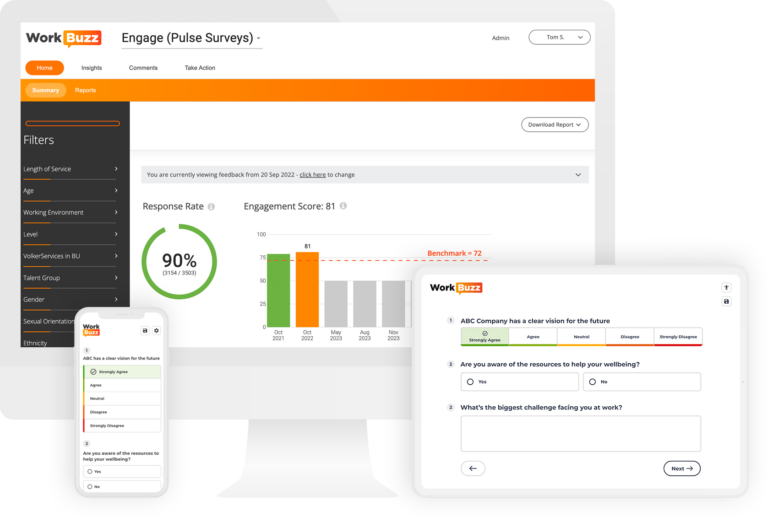
WorkBuzz is an employee listening platform focused on engagement surveys, pulse surveys, and lifecycle feedback. It’s positioned around helping organisations capture employee voice and turn survey data into insight through reporting, benchmarking, and AI‑supported analysis. The platform is often used for engagement measurement, change listening, and understanding workforce sentiment across different groups and locations.
Best for:
Teams that want a dedicated employee listening platform focused on engagement surveys and feedback analysis.
Key features:
- Unlimited employee surveys, including engagement, pulse, and on-demand polls
- AI-supported summaries and analysis for survey results and comments
- Benchmarking and trend tracking across multiple survey cycles
Weakness:
Companies looking for a listening tool that connects directly to recognition and the broader employee experience may need an additional platform.
Customer review:
“I like how WorkBuzz provides an anonymous platform to request feedback from employees across different organizational domains.” Prabin, HR and Admin Manager, via G2
4. WeThrive
Capterra rating: 4.6/5
Strengths:
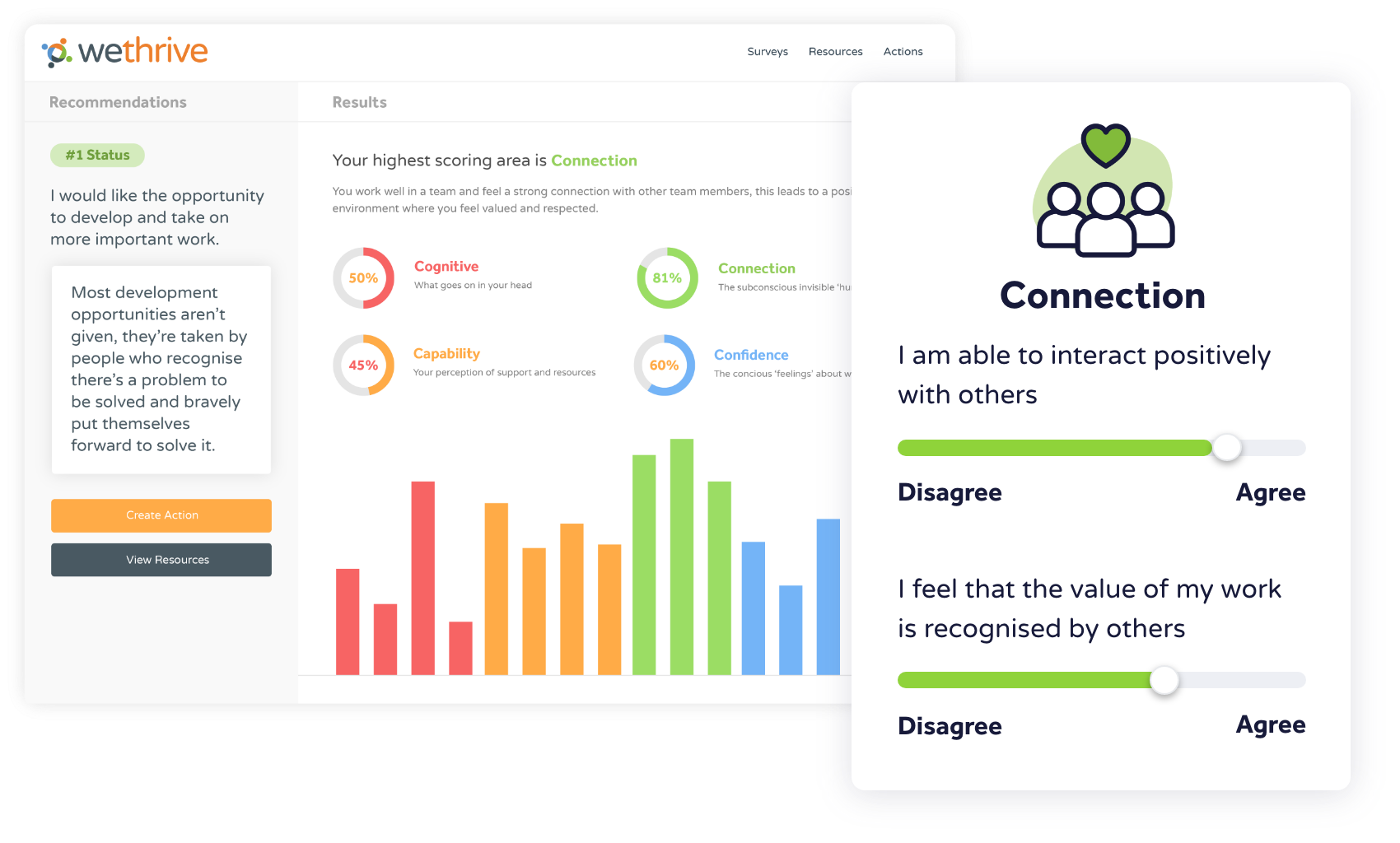
WeThrive is an employee engagement and performance management platform that combines engagement surveys with ongoing performance and development tools. It’s commonly used to support engagement measurement, wellbeing, inclusion, and regular performance conversations, with a focus on helping managers interpret feedback and translate results into practical actions.
Best for:
Organisations looking to combine engagement surveys with performance management and manager-led action planning.
Key features:
- Engagement, wellbeing, inclusion, and pulse surveys with science-backed questions
- Performance management tools, including continuous feedback and 1:1 support
- Automated insights and recommendations to guide manager actions
Weakness:
May not offer integrated recognition and rewards functionality within the same platform.
Customer review:
“Staff find WeThrive surveys easy to use and managers have said they particularly like the personalised recommendations and ideas for actions for their teams.” Stef, HR Systems Administrator, via Capterra UK
5. Quantum Workplace
Capterra rating: 4.6/5
Strengths:
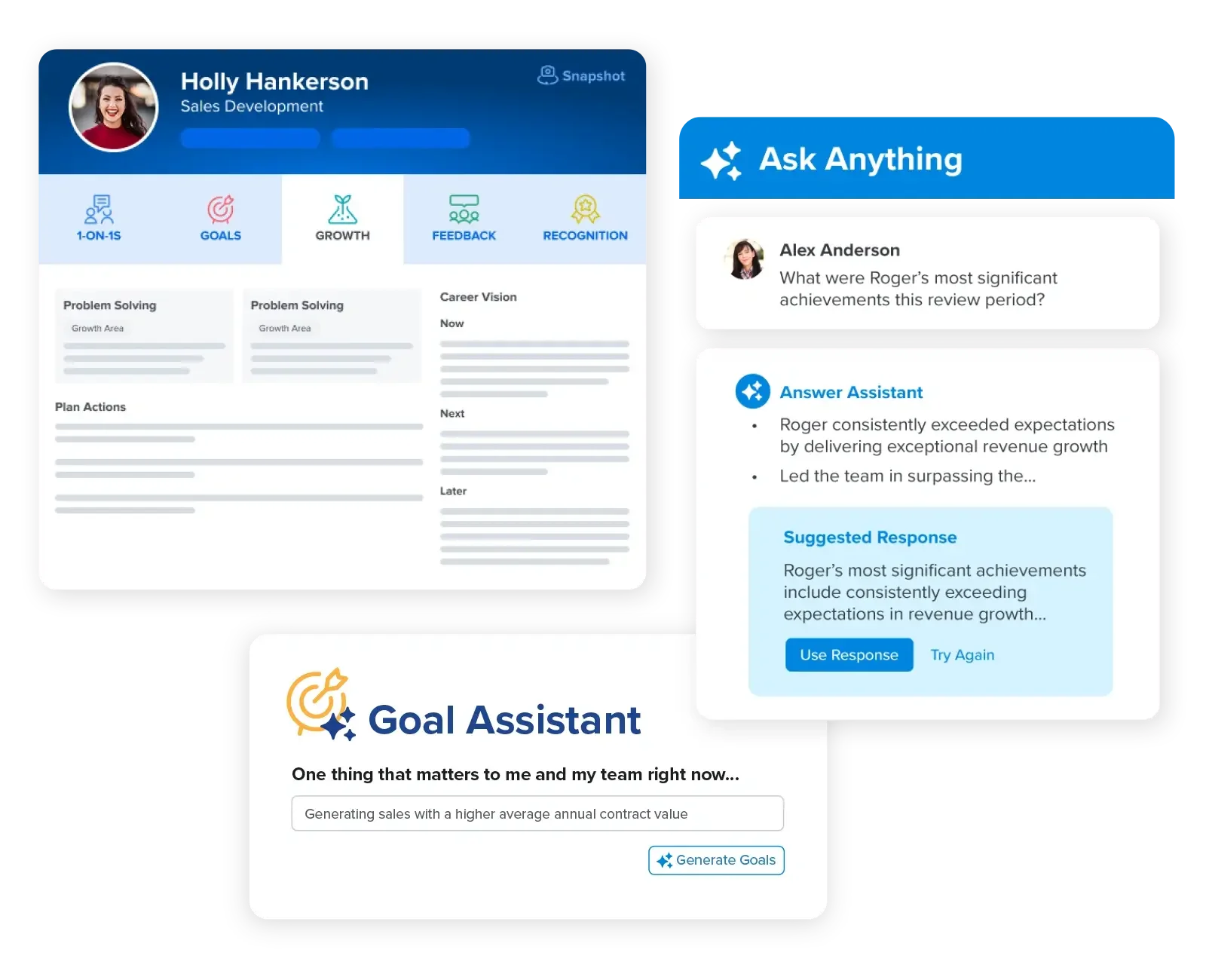
Quantum Workplace is an employee engagement and performance platform that combines engagement surveys with performance management, development, and recognition tools. It’s often used by organisations looking to give managers clearer insight into engagement drivers, retention risk, and team performance, with survey data feeding into action planning, goal setting, and manager conversations. The platform supports engagement, pulse, and lifecycle surveys, alongside analytics and benchmarking.
Best for:
Businesses that want engagement surveys integrated with performance management and manager enablement tools.
Key features:
- Engagement, pulse, and lifecycle surveys with research-backed questions
- Benchmarking and analytics to track engagement and retention trends
- Action planning and manager tools linked to survey results
Weakness:
May not support linking survey feedback to behaviour reinforcement through recognition.
Customer review:
“My only suggestion would be making it easier to access the library of survey questions. They are a little buried and it requires a few too many clicks to find them.” Robin, Talent Development Manager, via Capterra UK
6. TINYpulse
Capterra rating: 4.6/5
Strengths:
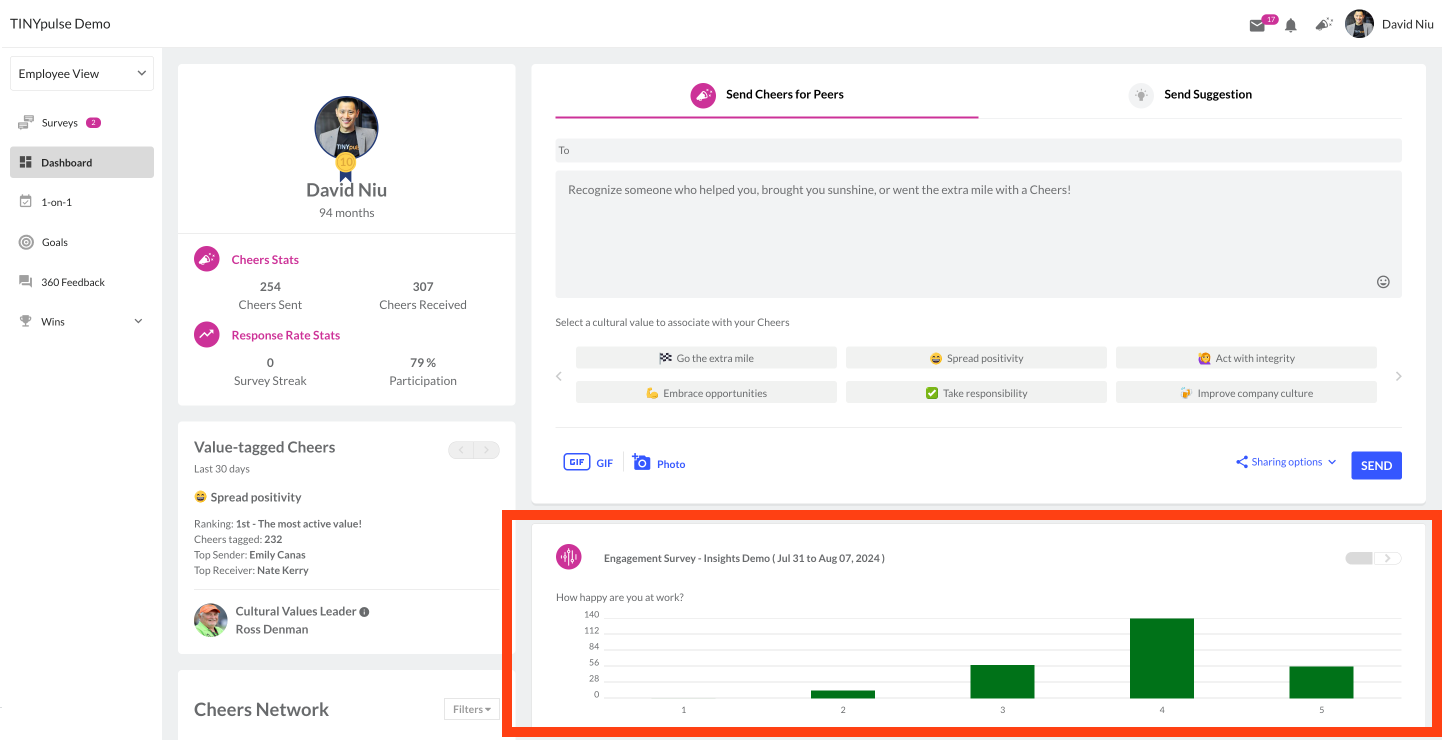
TINYpulse is an employee feedback and engagement platform focused on continuous listening, transparency, and two‑way communication. It’s commonly used for pulse surveys, engagement surveys, and always‑on feedback, with features designed to encourage candid input through anonymity and frequent check‑ins. The platform also includes lightweight recognition and suggestion tools, which are typically used to support feedback conversations and manager follow‑up.
Best for:
Organisations that want a simple, pulse‑led approach to employee feedback and continuous listening.
Key features:
- Pulse and engagement surveys with anonymous feedback
- Always‑on feedback channels and suggestion tools
- Lightweight peer recognition features
Weakness:
Without integrated recognition, acting on survey feedback may require extra processes or tools.
Customer review:
“Great way to get anonymous feedback. We strategically use it to course correct and get a vote and what people truly like.” Verified review via Capterra UK
7. Qualtrics XM
Capterra rating: 4.6/5
Strengths:
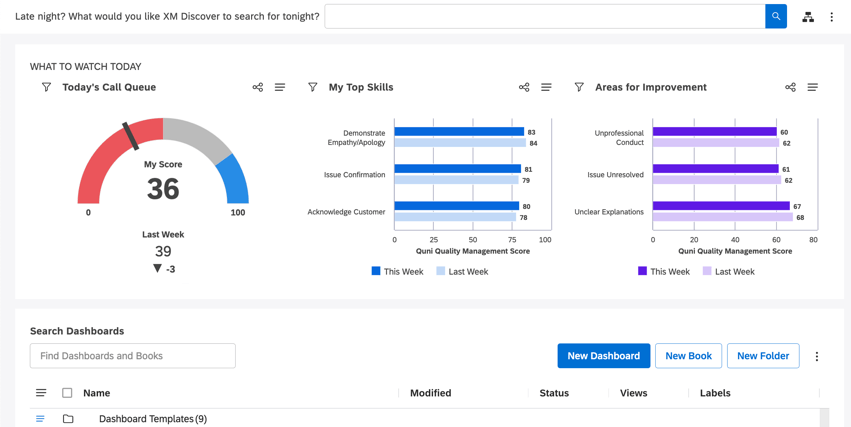
Qualtrics is an experience management platform with a dedicated employee experience suite built for large-scale employee listening. It’s commonly used for engagement programmes that span the full employee lifecycle, including engagement and pulse surveys, onboarding and exit feedback, and 360-degree development feedback. The platform places a strong emphasis on advanced analytics and action planning, including role-based dashboards and tools that help leaders translate survey results into tracked initiatives.
Best for:
Companies running survey programmes that need analytics, dashboards, and action planning.
Key features:
- Action planning tools to create, assign, and track actions based on survey results
- Employee pulse surveys with automated cadence options and question libraries
- Employee engagement and lifecycle listening, including onboarding and exit feedback
Weakness:
Teams looking for a simpler way to pair surveys with everyday recognition and rewards may need an additional platform.
Customer review:
“It is a great software to use for creating and sending out surveys. It is overall easy to use and setup and can do complex work if you need it to.” Verified review via Capterra UK
8. Survey Monkey
Capterra rating: 4.6/5
Strengths:
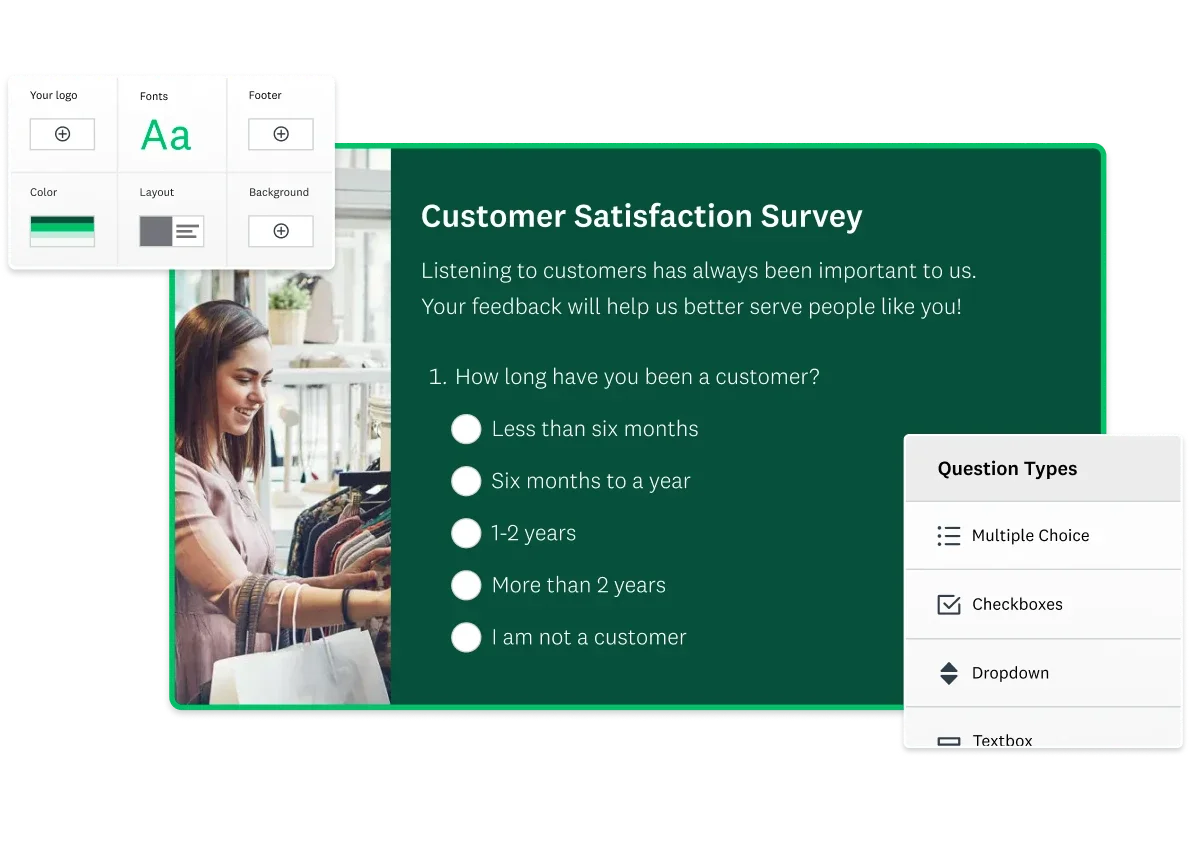
SurveyMonkey is a general-purpose survey platform used across customer feedback, market research, and employee surveys. It’s widely known for its ease of use, large template library, and flexible distribution options, making it easy for teams to create, send, and analyse surveys quickly. In an employee context, it’s often used for engagement surveys, pulse checks, and ad hoc feedback, with AI-assisted analysis and integrations to support reporting and data sharing.
Best for:
Organisations that need a flexible survey platform for a range of feedback use cases.
Key features:
- Employee engagement and pulse surveys built from templates or AI-assisted creation
- Broad distribution options, including email, web links, SMS, and QR codes
- AI-supported analysis, dashboards, and integrations with reporting tools
Weakness:
Because it’s a general survey platform, using employee feedback to drive ongoing behaviour reinforcement may require additional tools.
Customer review:
“Easy to use and can provide a good looking format for engagement with your stakeholders. We have used it both as creators and as customers.” Conor, Principal, via Capterra UK
9. People Insight
Capterra rating: 4.6/5
Strengths:
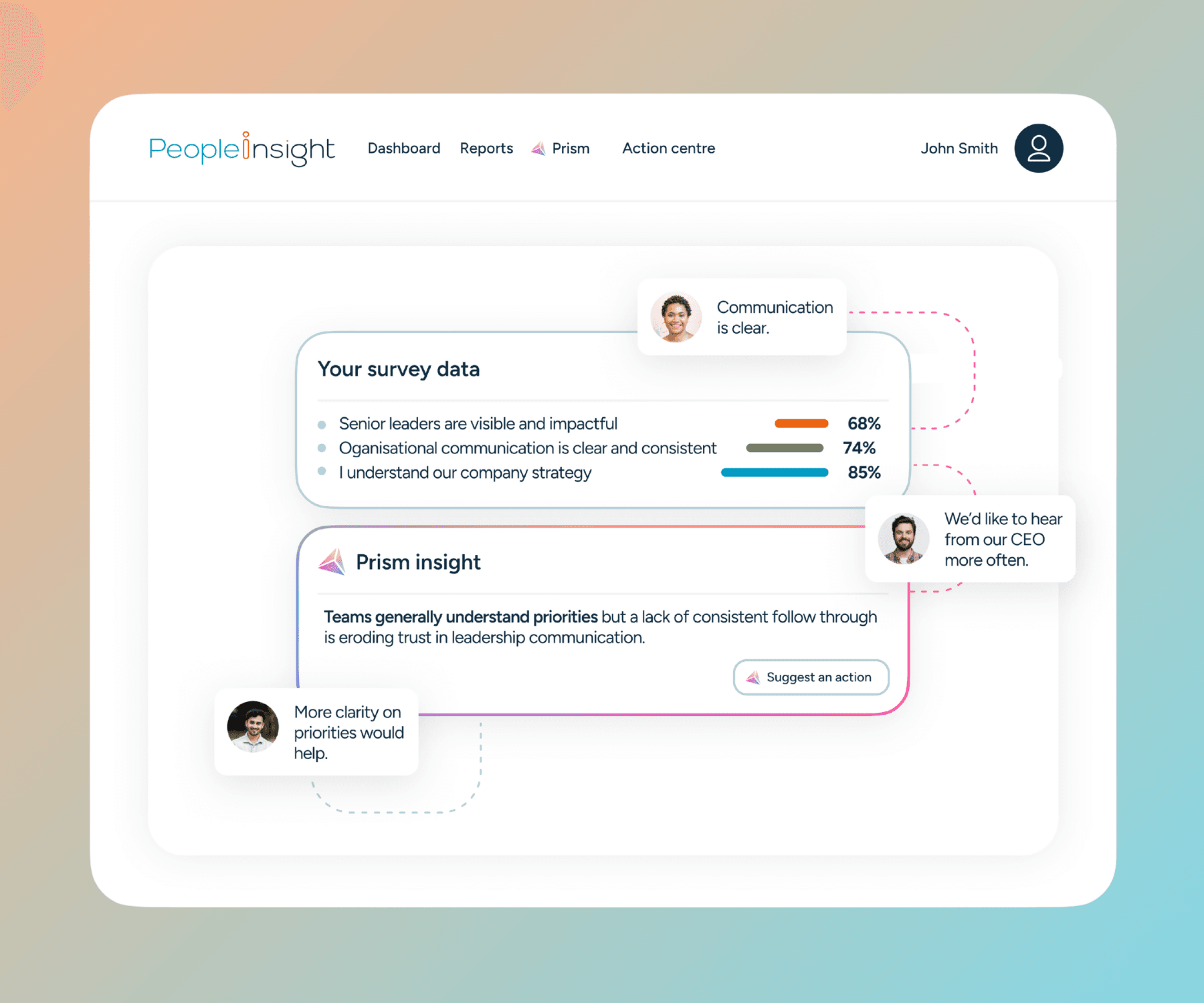
People Insight is an employee listening platform focused on engagement surveys and 360‑degree feedback, with a particular emphasis on leadership insight and development. It’s commonly used by organisations that want to understand how leadership behaviours show up in the employee experience, with tools that connect engagement survey results and 360 feedback data to highlight patterns, priorities, and development needs.
Best for:
Businesses that prioritise engagement surveys and 360 feedback.
Key features:
- Engagement surveys designed specifically for employee listening
- 360‑degree feedback tools for leadership and development programmes
- Reporting that links engagement results with leadership behaviour data
Weakness:
HR leaders looking to connect survey feedback with recognition may need an additional platform.
Customer review:
“The product is really user friendly, has a ton of adaptability and customer service has been great!” Nikki, Clinical Director, via Capterra UK
10. Perceptyx
Capterra rating: 3/5
Strengths:
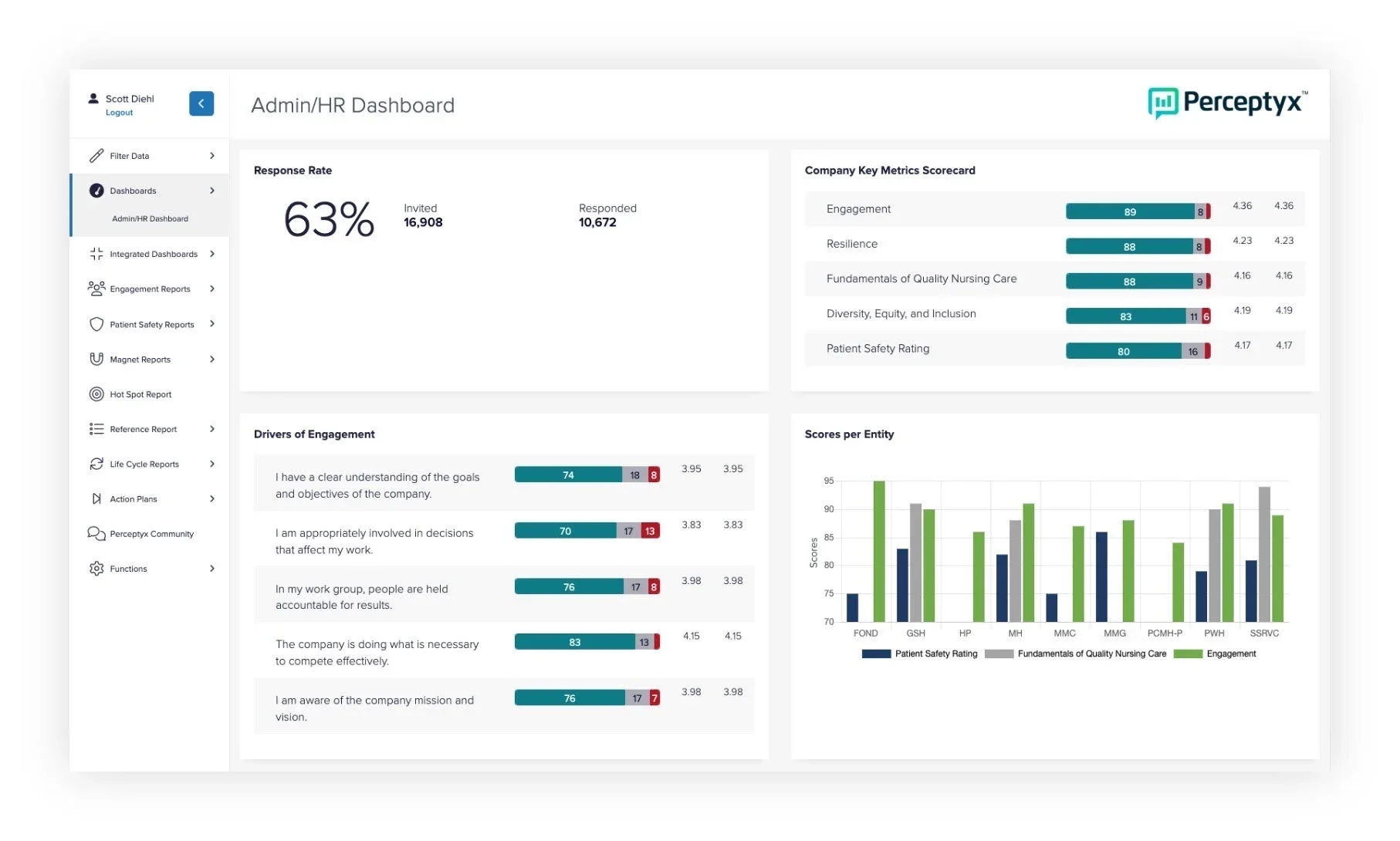
Perceptyx is an enterprise employee experience platform focused on large‑scale employee listening, analytics, and action planning. It’s commonly used by organisations running complex engagement programmes that include engagement surveys, lifecycle surveys, 360‑degree feedback, and continuous listening across multiple channels.
Best for:
Large organisations running enterprise‑level employee listening and analytics programmes.
Key features:
- Engagement, lifecycle, and continuous listening surveys
- 360‑degree feedback for leadership and manager development
- AI‑driven insights, predictive analytics, and action planning tools
Weakness:
While strong on insight and analytics, it may place less emphasis on reinforcing behaviours through recognition.
Customer review:
“I think that Employee Surveys could have more features integrated, like some of the more advanced survey software does.” Emily, Teacher, via Capterra UK
11. The Survey Initiative

Capterra rating: N/A
Strengths:
The Survey Initiative is a UK‑based employee research provider that specialises in bespoke, fully managed employee surveys. It’s commonly used by organisations that want tailored engagement, pulse, lifecycle, and 360 feedback surveys, supported by hands‑on consultancy throughout the process.
Best for:
Organisations that want a consultant‑led approach to employee surveys and feedback.
Key features:
- Bespoke employee surveys, including engagement, pulse, lifecycle, and 360 feedback
- End‑to‑end survey management, from design to reporting
- Facilitated action planning, workshops, and manager support
Weakness:
Because it’s a managed service, teams may need another tool for regular pulse surveys and day‑to‑day feedback.
Customer review:
“TSI provides a high quality service and good value for money and the team is responsive and quick to address any issues.” Customer testimonial via website
12. Nectar
Capterra rating: 4.8/5
Strengths:
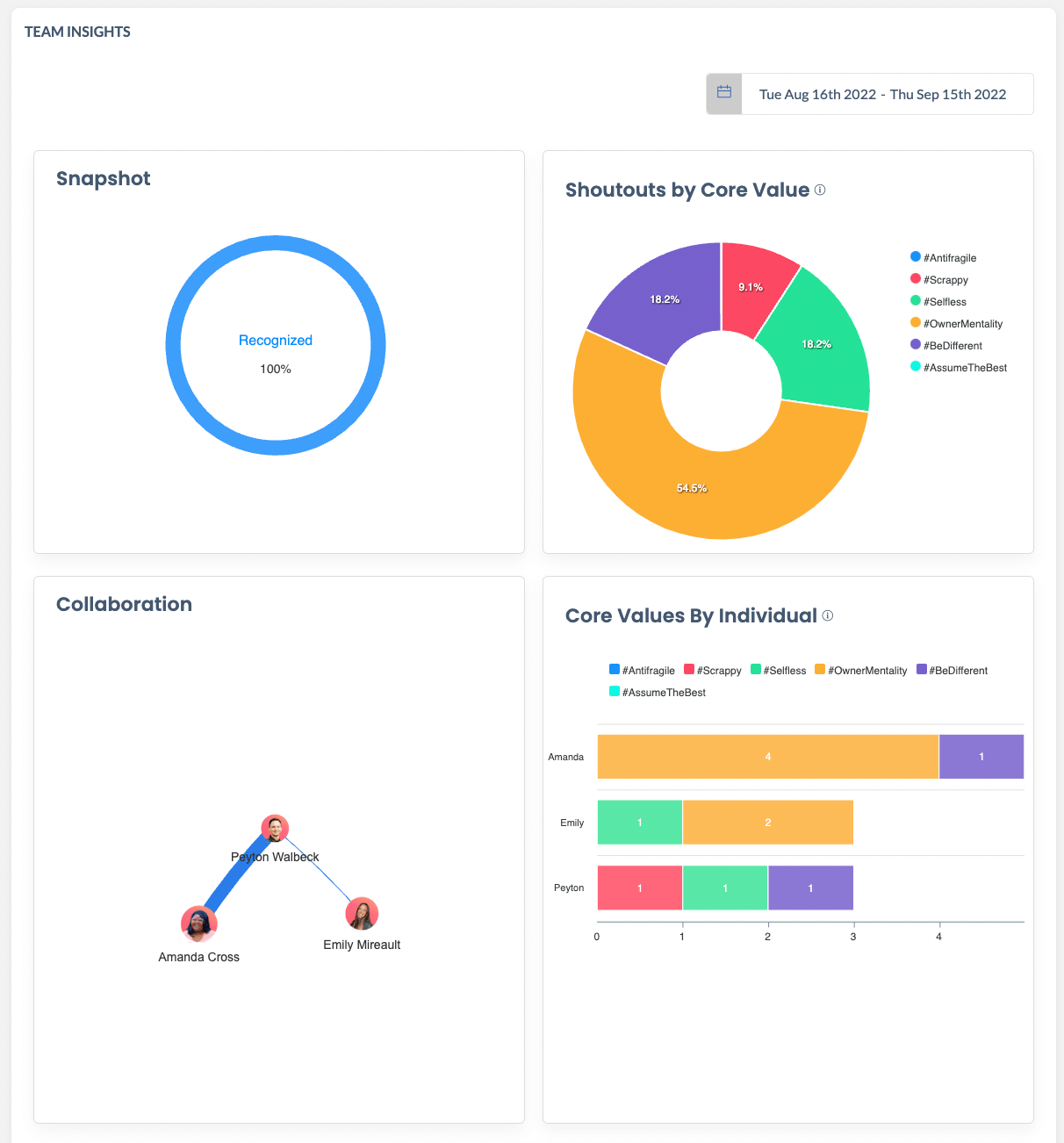
Nectar is a culture platform that combines employee recognition, internal communications, and employee listening. Its survey offering, Nectar Engage™, is designed to support engagement surveys, pulse surveys, and eNPS, with an emphasis on driving participation through simple design and built‑in incentives.
Best for:
Organisations looking for a combined recognition, communications, and employee listening platform.
Key features:
- Engagement, pulse, and eNPS surveys with real‑time dashboards
- Built‑in incentives to encourage survey participation
- Anonymous feedback with two‑way follow‑up options
Weakness:
Organisations that need more advanced survey design, benchmarking, or in‑depth analytics may find the survey tools relatively lightweight.
Customer review:
“Nectar gives an opportunity to be recognized and acknowledged by peers and management. It lets us rack up points and pick where we would like to spend out reward points.” Sophia, Warranty Admin, via Capterra UK
13. Workleap
Capterra rating: 4.8/5
Strengths:
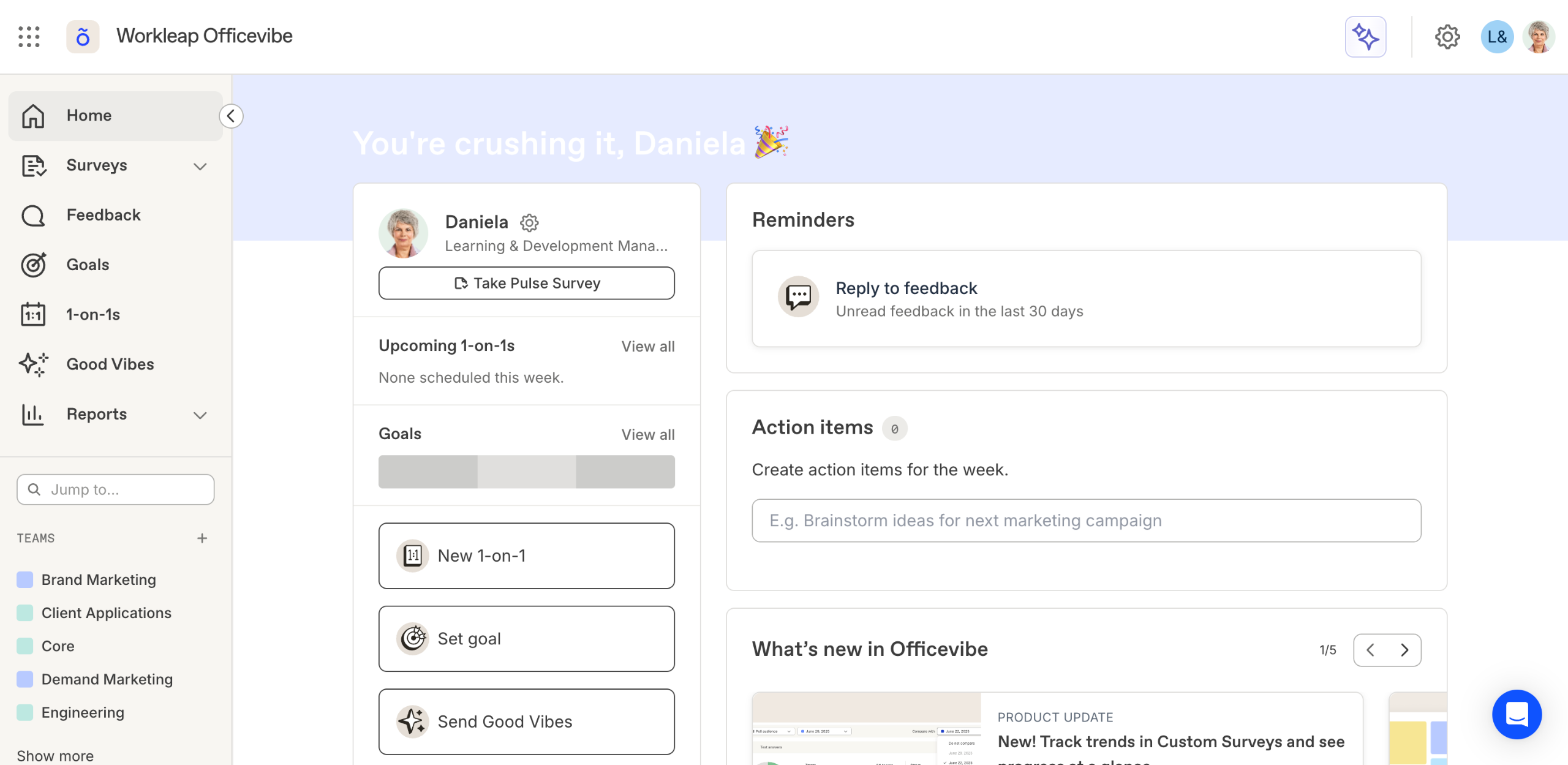
Workleap is a people management platform made up of modular tools for engagement, performance, and compensation. Its employee listening capability, delivered through Officevibe, focuses on pulse surveys, anonymous feedback, and lightweight engagement tracking.
Best for:
Smaller teams looking for simple pulse surveys and manager‑friendly engagement tools.
Key features:
- Pulse and custom engagement surveys with anonymous feedback
- AI‑generated summaries and suggested actions for managers
- Lightweight peer recognition alongside survey feedback
Weakness:
Teams looking for more advanced survey depth, benchmarking, or enterprise‑level reporting may find the listening tools fairly limited.
Customer review:
“It is easy for the administrator to use and very easy for the employees to use. I like being able to read the feedback as well as see the group comparison numbers.” Judith, Human Resources Manager, via Capterra UK
14. Viva Glint
Capterra rating: 4.6/5
Strengths:
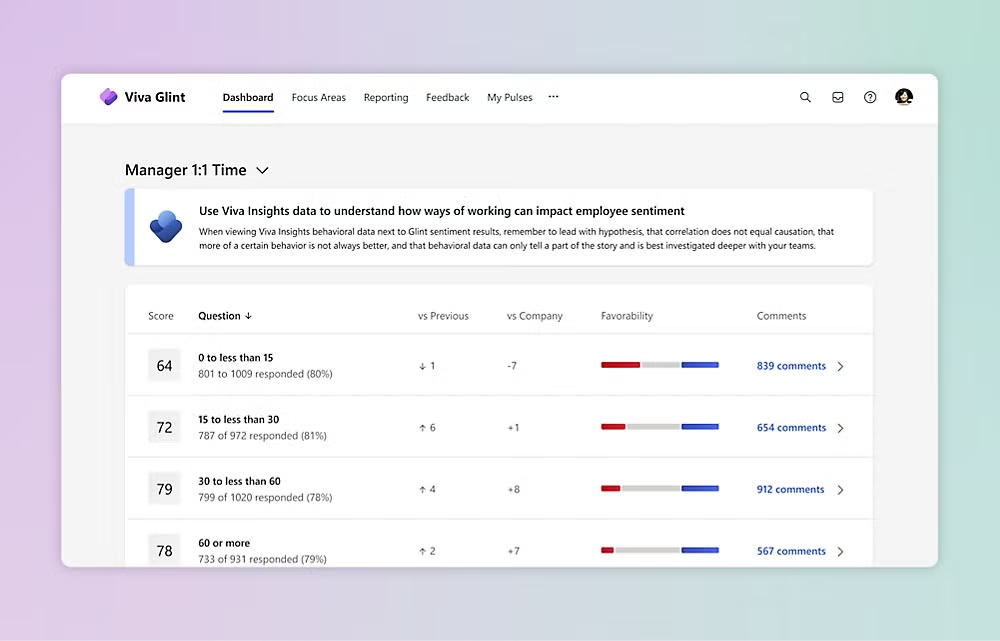
Microsoft Viva Glint is an employee listening and engagement survey tool designed for organisation‑wide feedback across the employee lifecycle. It’s commonly used for engagement surveys, pulse surveys, and sentiment analysis, with a strong foundation in people science and benchmarking.
Best for:
Businesses already invested in Microsoft 365 that want engagement surveys integrated into their existing Microsoft tools.
Key features:
- Organisation‑wide engagement and pulse surveys
- Benchmarking and sentiment analysis with guided action planning
- Integration with Microsoft 365 and Copilot for summarising feedback
Weakness:
Teams looking for surveys to live alongside employee experience capabilities may need additional platforms.
Customer review:
“I like having the ability to give solid feedback in an arena where my identity can remain anonymous. This is a crucial aspect in being able to give constructive feedback in my work environment.” Rosemarie, Producer, via Capterra UK
15. ThriveSparrow
G2 rating: 4.3/5
Strengths:
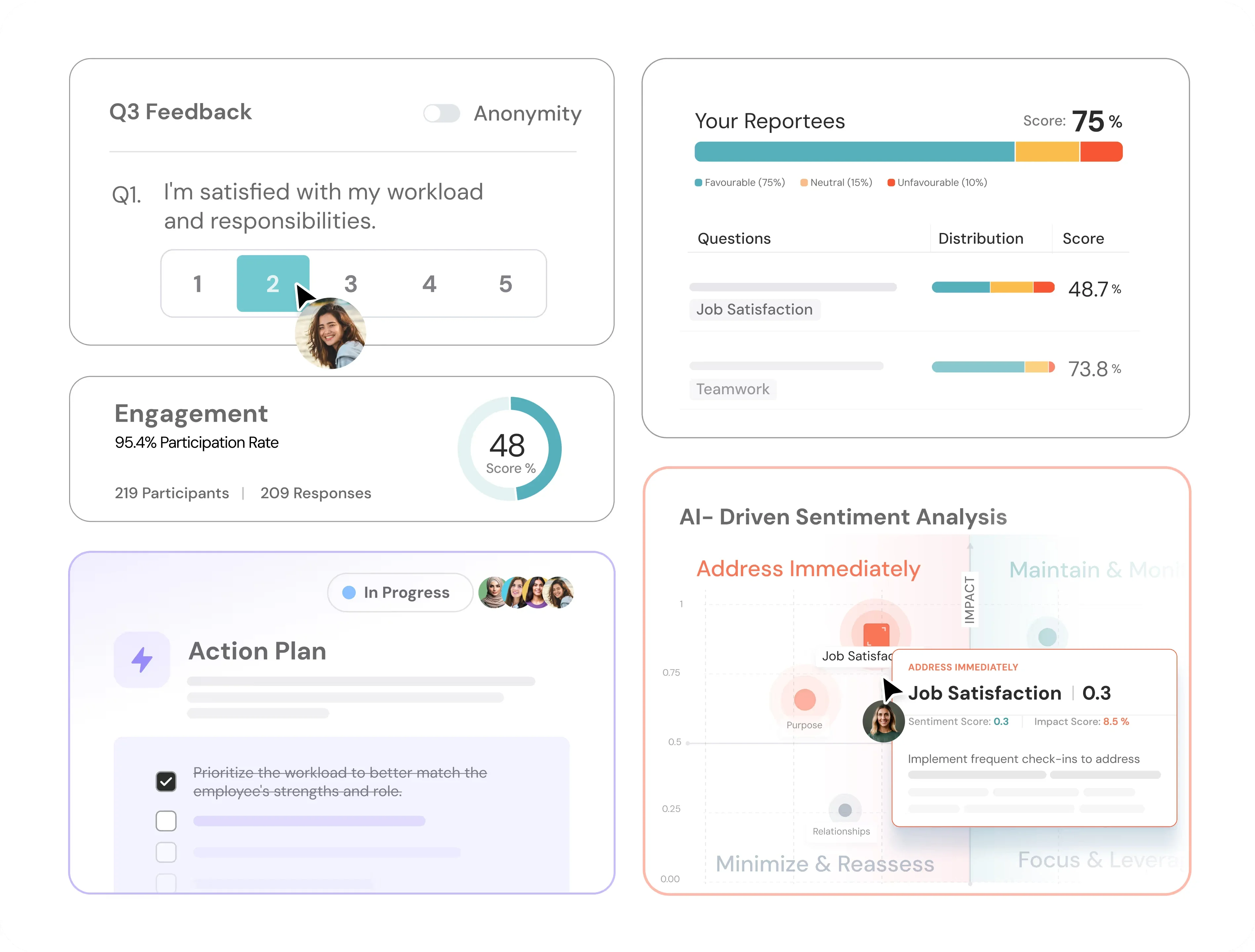
ThriveSparrow is an AI-powered employee success platform that combines employee surveys with performance, feedback, goals, and recognition. Its listening capability includes pulse surveys and eNPS surveys, with features like QR-based survey distribution, sentiment analysis, and action plans to help teams interpret survey responses and follow up.
Best for:
Organisations looking for a combined surveys-and-performance platform, with pulse surveys and 360 feedback.
Key features:
- Pulse surveys and eNPS surveys
- AI sentiment analysis and action planning to support results
- 360-degree feedback and performance tooling
Weakness:
Teams that need more mature enterprise-grade reporting and analytics may find it limited at scale.
Customer review:
“I use ThriveSparrow for 360 surveys for our leaders. I like its easy-to-use platform and the way it delivers unbiased and personalized reports according to our preferences.” Sarthak G., review via G2
What to look for in an employee survey tool
Before comparing vendors feature by feature, it helps to step back and assess whether a survey tool is actually a good fit for how UK organisations operate.
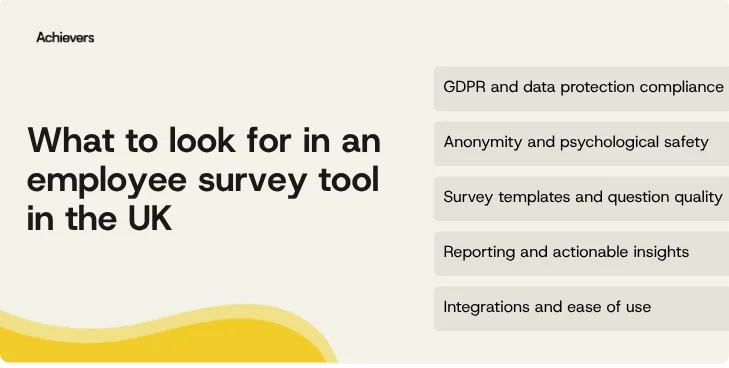
Here are a few capabilities to consider:
UK GDPR and data protection compliance
Any survey tool should clearly reference compliance with the UK General Data Protection Regulation (UK GDPR) and the Data Protection Act 2018, which together govern how personal data is collected, processed, and stored.
Many UK organisations also look to guidance from the Information Commissioner’s Office (ICO) as a trusted authority when determining whether a platform’s approach meets local expectations.
Anonymity and psychological safety
Employees are more likely to share candid feedback when they believe their responses can’t be traced back to them. The strongest survey tools protect that trust while still helping teams make sense of what they hear — using reporting that surfaces patterns by team, tenure, or theme without exposing individuals.
Some platforms also go a step further, using tools like sentiment analysis or heatmaps to help teams quickly see where things are working and where attention is needed. The goal isn’t more data, but clearer signals that make it easier to act.
Survey templates and question quality
Strong survey tools help teams ask better questions. Look for platforms that offer regionally‑relevant templates and evidence‑based questions that are clear, neutral, and free from leading language.
For example, questions like “I understand what’s expected of me in my role” or “I receive recognition when I do good work” give clearer signals than vague or leading prompts. The right survey design helps teams measure sentiment accurately, without bias or confusion, and reduces the risk of misinterpreting results.
Reporting and actionable insights
The right survey tools provide dashboards that help HR teams and line managers understand what’s happening and where to focus next.
For example, low scores around clarity or enablement might point to manager training or process changes, while weak signals around recognition often highlight the need for more consistent, visible appreciation. When feedback is clearly owned and followed up on, it turns into changes employees can actually see and experience, like better management support or more consistent recognition.
Integrations and ease of use
Tools that integrate smoothly with HR systems, collaboration platforms, and recognition software tend to be easier to run and easier to act on.
How easy the tool is to navigate matters here, too. Low admin effort, intuitive setup, and simple workflows help ensure surveys are run consistently, rather than becoming a one‑off exercise that’s hard to sustain.
Value for money
Some platforms are designed for small and mid‑sized teams, while others are built for enterprise‑scale programmes with deeper analytics and governance.
Transparent pricing, clear feature tiers, and an understanding of what’s included at each level can help buyers avoid paying for complexity they don’t need or under‑investing in tools that won’t scale with them.
This article provides general information only and does not constitute legal or tax advice. Requirements under local guidelines may vary. Consult qualified advisors and official agencies.
How to increase participation and response rates in employee surveys
Strong response rates don’t happen by accident. They’re a result of trust, fairness, and employees knowing their feedback leads to real organisational change.
- Start by communicating purpose clearly: People are more likely to take part when they understand the purpose of the survey and what will happen next. Setting expectations upfront — what you’re listening for and what could change as a result — helps surveys feel intentional and not performative.
- Keep surveys short and focused: Asking fewer, more relevant questions shows respect for employees’ time and makes it easier to give thoughtful answers. Surveys that feel purposeful are far more likely to be completed.
- Share what you hear, and what you’ll do about it: Closing the loop matters, especially in workplaces where transparency and follow‑through shape how much employees trust their team leaders. Sharing themes, decisions, and next steps, even when feedback is critical, shows employees their voices count.
- Support managers to lead the conversation: Line managers play a big role in how surveys are experienced. When they’re able to talk openly about results with their teams, feedback feels closer to day‑to‑day work and more likely to drive action.
- Protect anonymity and say so clearly: Simple safeguards, like only sharing results once enough people have responded, help employees feel safe being honest. Confidence in anonymity strengthens both participation and the quality of feedback.
The right survey tool matters
Employee surveys only create value when people trust them, leaders act on them, and change is clear and visible over time. For teams in the UK, that usually means looking for tools that handle data and anonymity with care, and support clear, fair follow‑through beyond the survey itself.
The right platform isn’t the one with the longest feature list. It’s the one that fits how your organisation listens, learns, and operates day to day. Because when employees see change, they stop holding back — and that’s when surveys start working.
UK employee survey tools FAQs
Key insights
- The most effective employee survey tools build trust first, through strong anonymity protections and UK‑specific data privacy standards.
- Survey value comes from action, not data, which means clear reporting, quality questions, and visible follow‑through matter more than feature lists.
- The right tool fits how your organisation listens and responds day to day, helping feedback turn into meaningful, lasting change.
| Platform | Best for | Key feature | Capterra rating | Recognition features |
|---|---|---|---|---|
| Achievers | Mid-market and enterprise organisations that want continuous listening and recognition in one platform | Always-on employee listening with surveys, pulse checks, and onboarding feedback, all connected to recognition | 4.8/5 | |
| Culture Amp | Organisations focused on engagement measurement and performance feedback | Science-backed engagement and lifecycle surveys with deep benchmarking | 4.6/5 | |
| WorkBuzz | Teams that want a dedicated employee listening platform | Engagement and pulse surveys with AI-supported analysis and benchmarking | N/A | |
| WeThrive | Organisations combining engagement surveys with performance management | Engagement and wellbeing surveys paired with manager-led action planning | 4.6/5 | |
| Quantum Workplace | Businesses integrating surveys with performance and development tools | Engagement surveys connected to manager action plans and analytics | 4.6/5 | |
| TINYpulse | Teams seeking simple, pulse-led employee feedback | Frequent pulse surveys with anonymous, always-on feedback | 4.6/5 | |
| Qualtrics XM | Large organisations running complex survey programmes | Advanced analytics, dashboards, and enterprise-scale action planning | 4.6/5 | |
| SurveyMonkey | Organisations needing a flexible, general-purpose survey tool | Easy-to-build surveys with broad distribution and AI-assisted analysis | 4.6/5 | |
| People Insight | Businesses prioritising engagement surveys and 360 feedback | Engagement surveys linked to leadership behaviour insights | 4.6/5 | |
| Perceptyx | Enterprises running large-scale employee listening programmes | AI-driven analytics and predictive insights across the employee lifecycle | 3/5 | |
| The Survey Initiative | Organisations wanting a fully managed survey and consultancy-led approach | Bespoke employee surveys delivered with expert guidance | N/A | |
| Nectar | Teams looking to pair surveys with recognition and communications | Teams looking to pair surveys with recognition and communications | 4.8/5 | |
| Workleap (Officevibe) | Smaller teams needing simple pulse surveys and manager insights | Pulse surveys with anonymous feedback and suggested actions | 4.8/5 | |
| Viva Glint | Microsoft 365 organisations running engagement surveys at scale | Engagement and pulse surveys embedded in Microsoft tools | 4.6/5 | |
| ThriveSparrow | Teams wanting surveys combined with performance and feedback tools | Pulse and eNPS surveys with AI sentiment analysis and action plans | N/A |