Shape your workforce: Building a culture that performs
Pain point
Culture and Consistent Recognition
Access this resource anytime
Table of contents
Topics Covered:
Culture and Consistent Recognition
Organizational culture is the defined and unspoken rules, traditions, and ways of communicating with fellow employees that underpins the “real work” of the business. Because organizational culture affects how we do things, it also impacts the organization’s employee metrics: retention,
engagement, performance, and innovation.
Dispersed teams, digital fatigue, quiet quitting — the modern workforce is navigating more complexity than ever. Culture is
the glue that holds everything together. Organizations that can define, reinforce, and support a strong workforce culture can make a positive impact on
engagement and recognition, resulting in reduced burnout and higher performance.
In this playbook, you’ll learn:
- How to build and reinforce culture across a distributed workforce
- Why recognition is your most powerful cultural lever
- Which key performance indicators (KPIs) improve belonging at scale
The foundations of strong culture
A thriving culture isn’t magic — it’s modeled, measured, and reinforced daily. By aligning values, establishing organizational purpose, increasing psychological safety, and building an environment of inclusivity, organizations build and support the values leaders envision for the organization in the employee handbook.
Values on paper don’t shape culture. Values in action do. Daily behaviors of recognition and communication reinforce values outside of a leadership mandate, making them part of the culture.
Cultural value reinforcement through recognition nurtures a sense of belonging and togetherness, since you’re working toward a common
goal with a shared purpose. Plus, employees recognized monthly are 2.5x more likely to feel a strong sense of belonging.
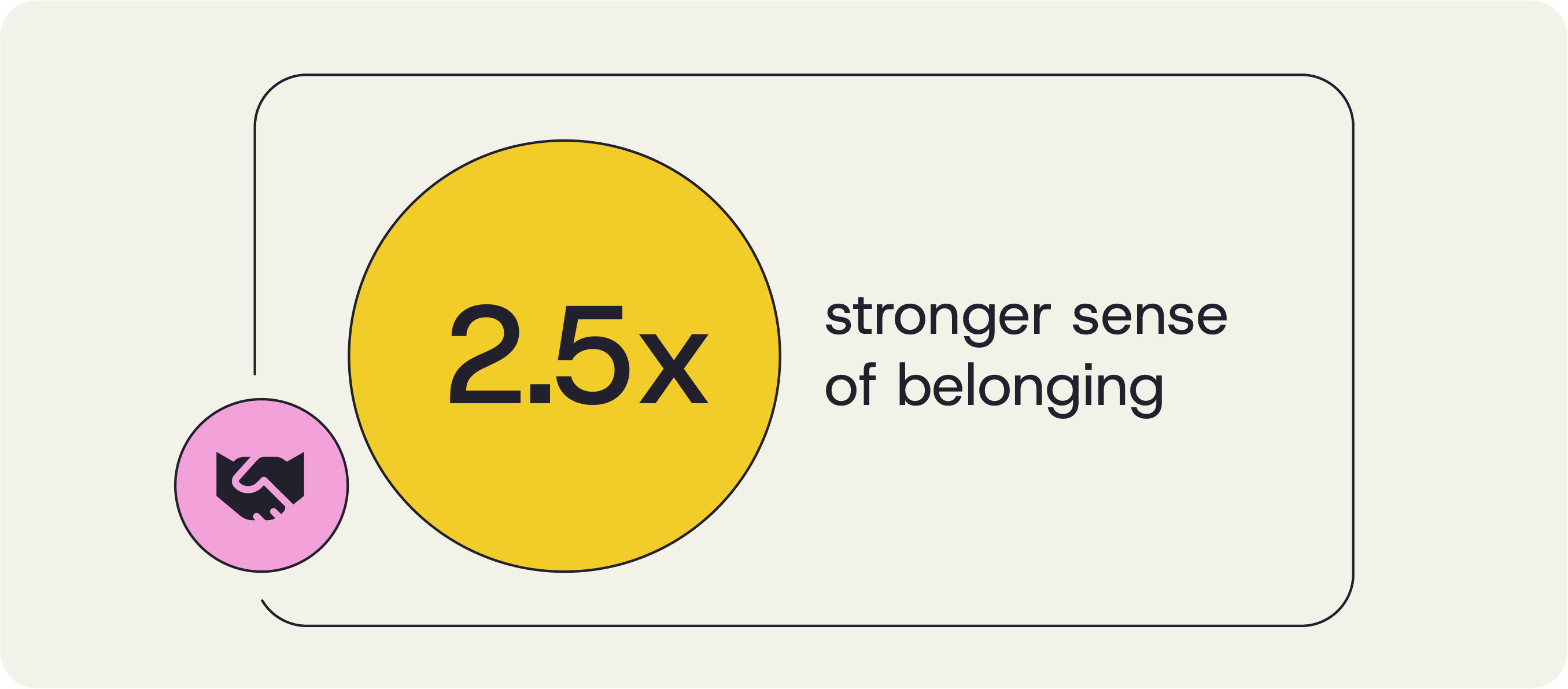
That’s not a gut feeling — that’s Achievers Workforce Institute (AWI)-backed data. And so is this:
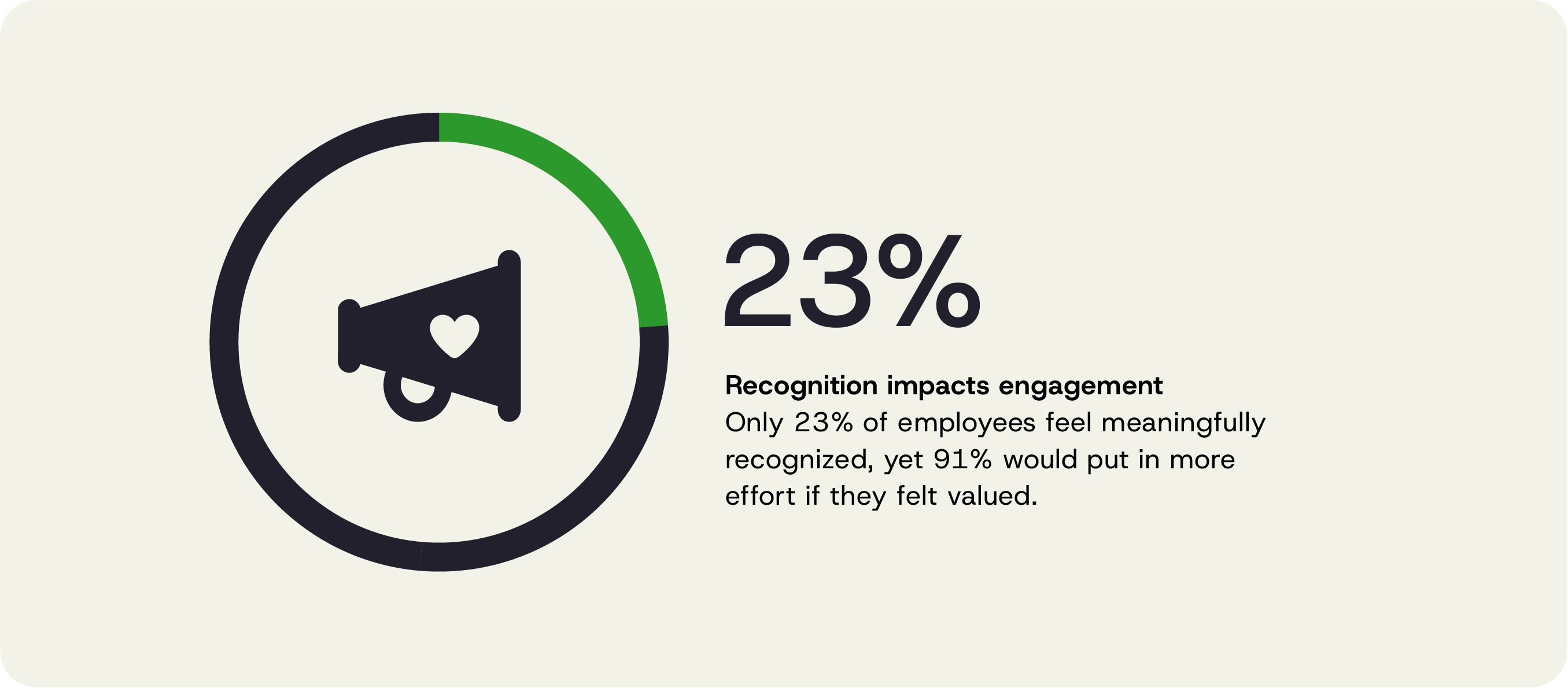
Recognition impacts engagement
Only 23% of employees feel meaningfully recognized, yet 91% would put in more effort if they felt valued.
Manager recognition is a superpower
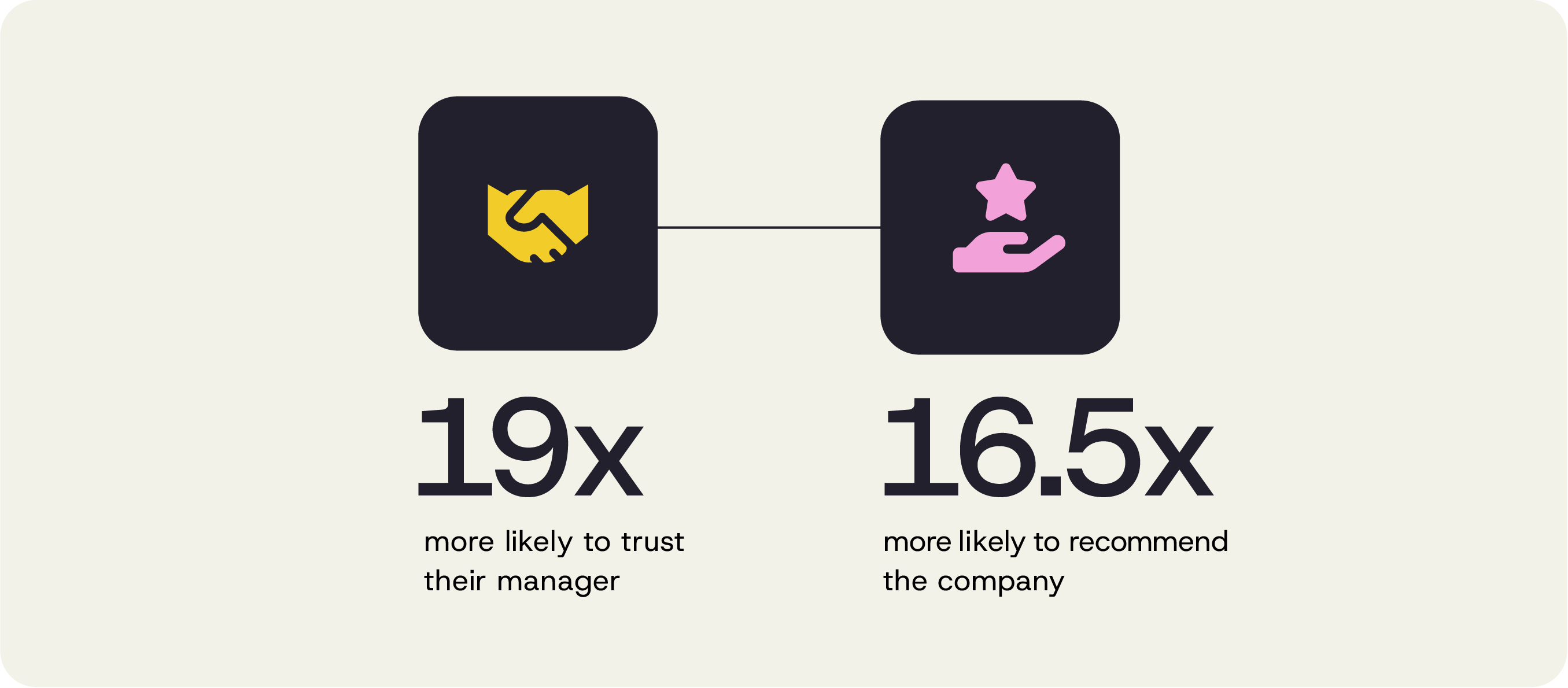
Those regularly recognized by managers are 19x more likely to trust them, 16.5x more likely to recommend the company, and 11.7x more likely to feel a strong sense of belonging.
Diagnosing cultural gaps in your organization
Too many silos, not enough shoutouts? You’re not alone. Large companies experience silos between departments and locations, leadership misalignment, and inconsistent employee experience. These are all cultural challenges that increase the risk of disengaged employees, burnout, and low performance.
And disengagement risks increase with hybrid and remote environments, where maintaining consistent leadership reinforcement is like playing on expert mode. But not every company can just return to office. Some industries require dispersed workforces where silos, burnout, and lack of communication become an easy fallback:
Healthcare workers tend to burn out due to long, difficult shifts with little recognition.
Manufacturing organizations experience high turnover rates and disengagement.
Professional services can quickly silo based on department or location.
Listening to employees isn’t optional — it’s how culture gets course-corrected in real time. Want to identify blind spots before they become deal-breakers? Tap into tools that capture sentiment, not just stats.
How recognition transforms culture
Recognition isn’t just a feel-good perk; it’s how you turn values into actions. Timely, meaningful recognition drives alignment between individual employee behavior and organizational values. That’s because what gets recognized gets repeated.
Identifying values-aligned behavior and showing the employee you see it shows the employee you see them. Then, they repeat the behavior that got the positive response.
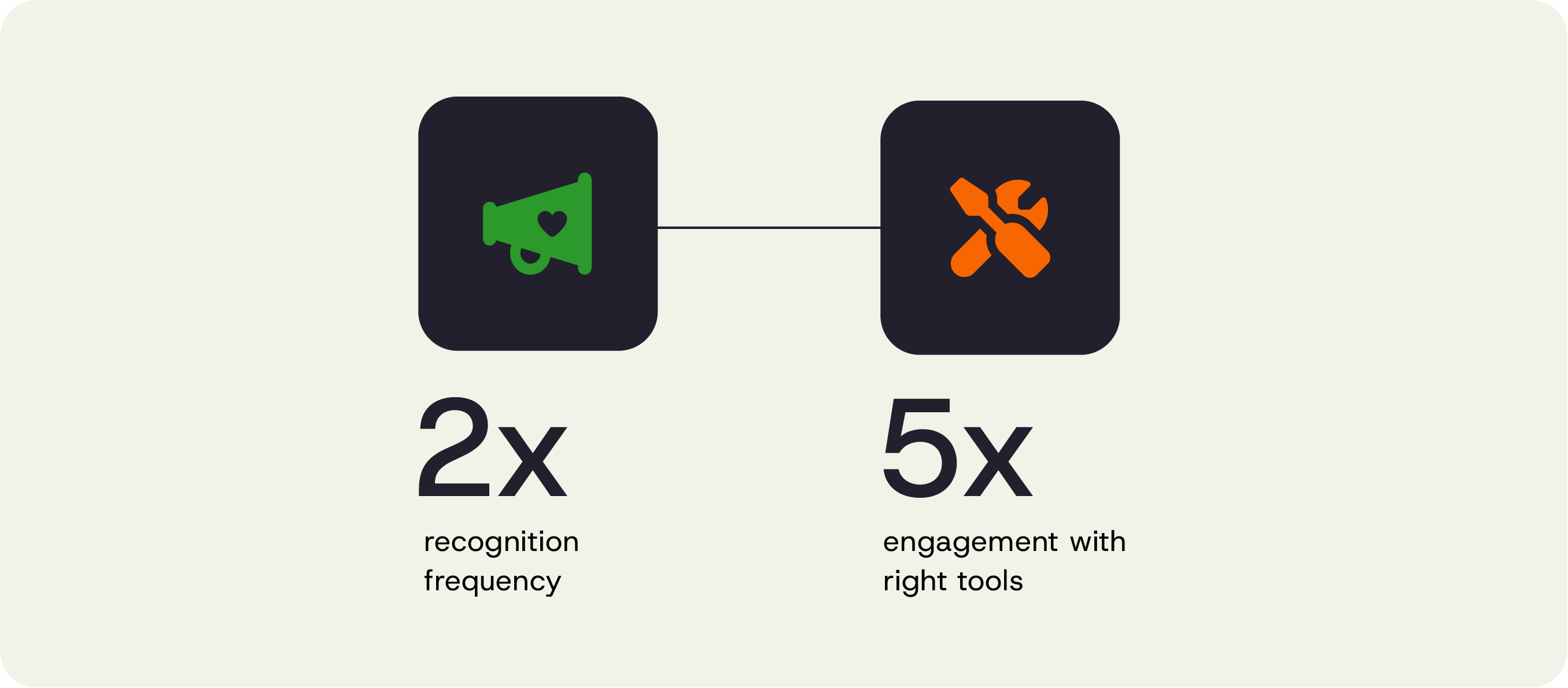
Companies that implemented recognition programs see 2x the recognition frequency as their competitors and 5x the engagement with the right tools.
Cheat Sheet: Types of recognition
Monetary rewards
Bonuses, gift cards, points traded in for swag or gifts from a catalog.
Non-monetary rewards
Trophies, plaques, ribbons, certificates, public call-outs, swag.
Peer-to-peer
Employee-driven, based on values.
Manager-driven
Often on a set schedule like during/after reviews, ad hoc shoutouts for great work.
Private
Provided via review, meeting, direct message, or email to the employee, perhaps with an executive looped in.
Public
During company meetings, in a public Slack or Teams channel.
Embedding recognition into the flow of work
Your people shouldn’t have to go looking for recognition. It should find them in the tools they already use. When recognition tools exist within the platforms where the work happens, employees can easily integrate recognition into their workstreams. This ease of use drives tool adoption, which in turn drives performance and engagement.
Recognition where work happens makes it easy for distributed workforces to recognize their peers within their existing tools when those in-person moments are rare. Features that further enable the increased recognition, like mobile access and multilingual support, make recognition feel like second nature, not a second job. And toolkits built with your use-case in mind, like the Manager Toolkit for shift managers in manufacturing, are custom-built to help you embed recognition into the workday.
Instead of adding another task on the daily to-do list, with these tools recognition becomes natural and productive.
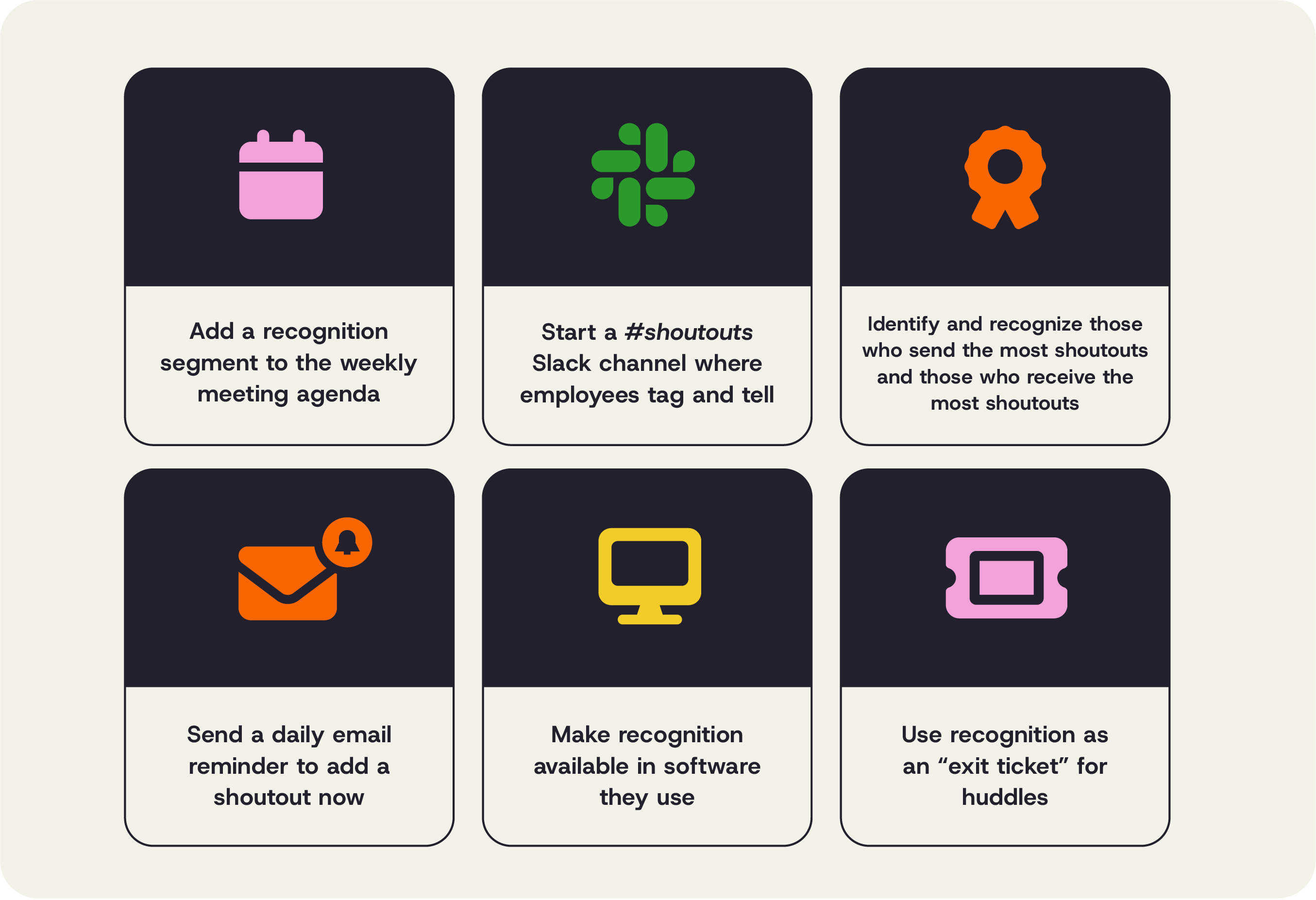
Cheat sheet: Easy ways to embed recognition into your culture
- Add a recognition segment to the weekly meeting agenda
- Start a #shoutouts Slack channel where employees tag and tell
- Identify and recognize those who send the most shoutouts and those who receive the most shoutouts
- Send a daily email reminder to add a shoutout now
- Make recognition available in software they use
- Use recognition as an “exit ticket” for huddles
Making culture measurable
If you’re not tracking it, you’re not improving it. Culture deserves KPIs, too. Just like any other business initiative, you can’t leave engagement to chance and gut feels.
Tracking culture through engagement surveys, recognition frequency, adoption analytics, turnover rates, and employee net promoter scores — along with feedback directly from employees — gives you measurable results that tell you how well your strategy works. Achievers’ flexible reporting and return on investment (ROI) tracking capabilities make your recognition strategy visible.
The data’s clear: Employees recognized monthly are significantly more likely to stay, perform, and belong. And it just gets better with more recognition:
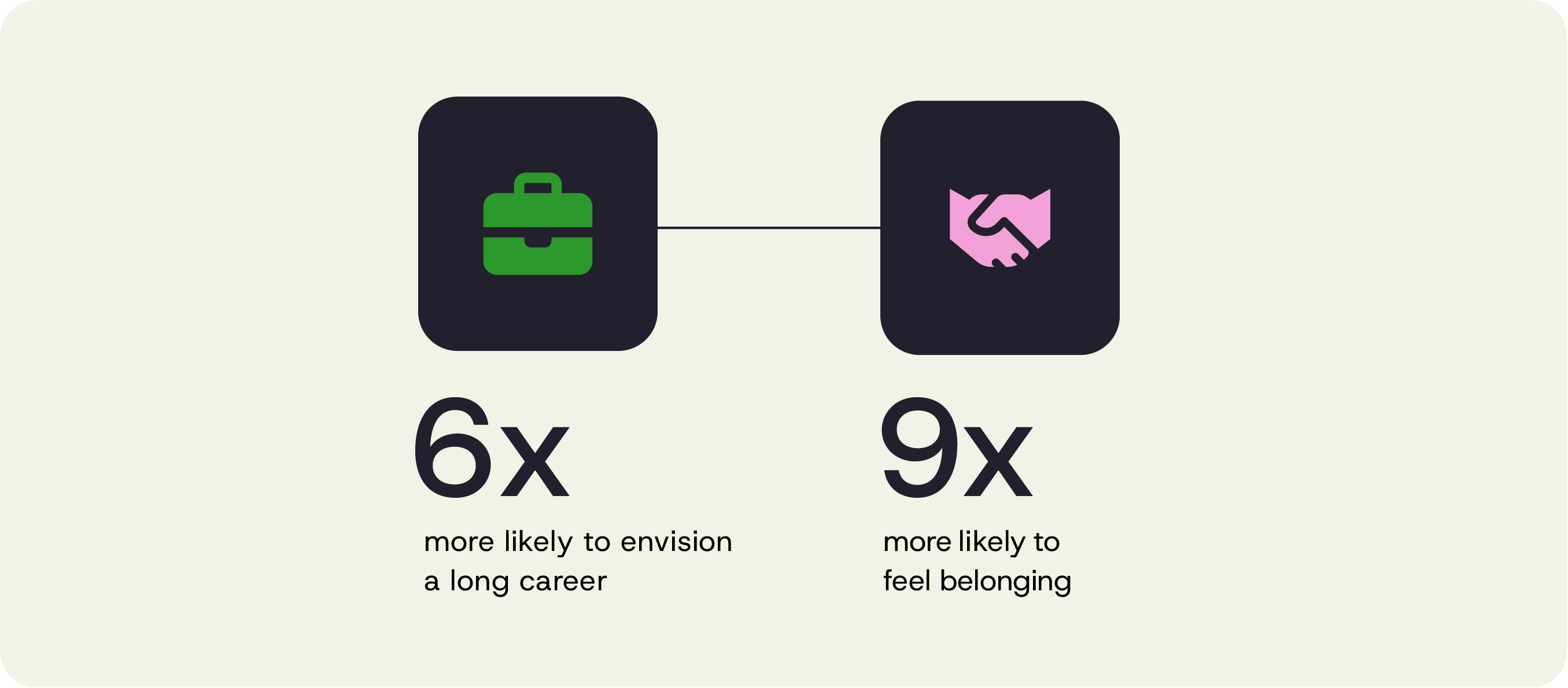
- Employees who get recognized weekly are 9x more likely to feel belonging and 6x more likely to envision a long career
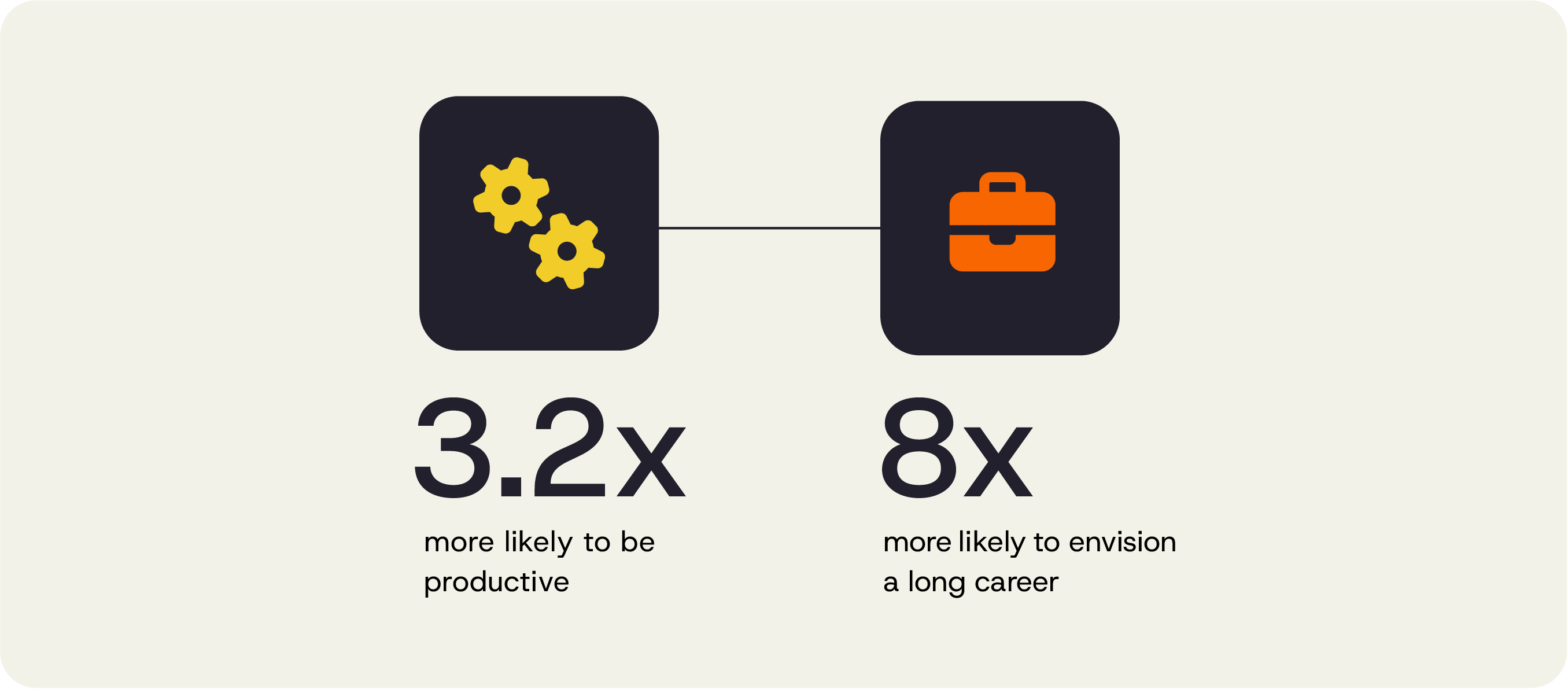
- Employees who get recognition from a manager are 3.2x more likely to be productive and 8x more likely to envision a long career
Define KPIs for culture around recognition adoption, sense of belonging, retention, and any others that make sense for your strategy. Then, use that feedback to plan your next moves and optimize your tactics.
KPIs and reporting will tell you what ways recognition works to build culture in your organization and what could use a boost. Frequent recognition isn’t just good for morale; it drives results you can prove.
Top workplace culture KPIs
Net promoter score
How likely would this employee be to suggest employment at the company?
Recognition adoption
How many people use the recognition tool?
Recognition frequency
How often do people recognize their peers on average?
Average tenure
How long has the workforce been employed with the company on average?
Retention
What’s the turnover rate?
Growth potential
What percentage of employees see themselves at the company in 1 year; 5 years?
Workplace culture worth celebrating: 3 success stories
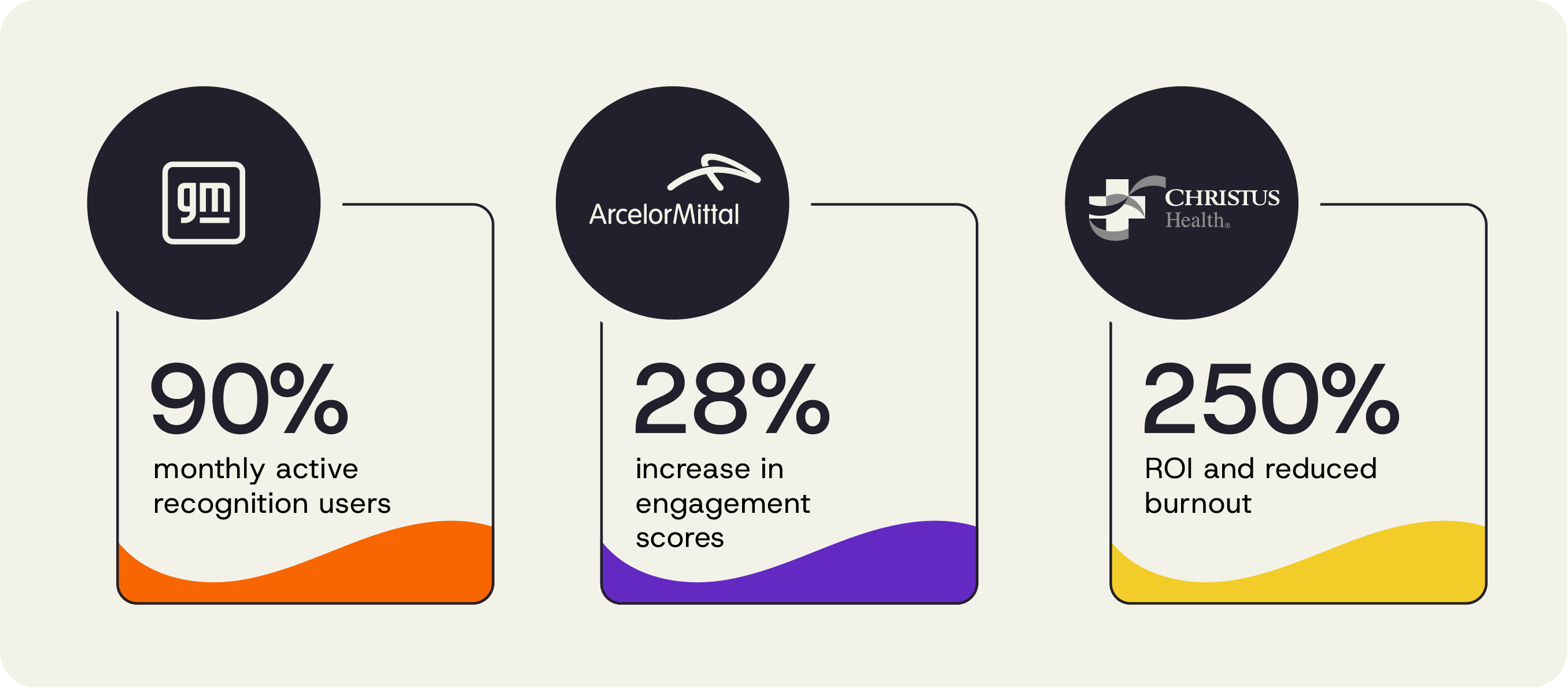
Measurable success is within reach. Just look at how GM, ArcelorMittal, and CHRISTUS Health improved engagement and retention with Achievers’ enterprise-friendly capabilities.
From disengaged to energized
Automobile manufacturing giant GM needed to create a culture of excellence over 160,000 employees across six continents. To do this, recognition had to become a part of daily life.
GM dramatically improved engagement scores through Achievers’ recognition tools, with over 90% of the team using the tool monthly.
Culture that builds more than steel
Steel producer ArcelorMittal needed its employee culture to match its slogan: “Our product is steel. Our strength is people.” But a multigenerational and dispersed workforce made communication difficult.
ArcelorMittal achieved a 28% engagement lift and was certified as a Great Place to Work after implementing Achievers.
Healing turnover with connection
Healthcare provider CHRISTUS Health needed to increase engagement and reduce nurse turnover for its network of over 600 healthcare facilities.
By implementing Achievers’ recognition platform, CHRISTUS Health built a safer, more engaged workplace where nurses wanted to continue working.
All this recognition added up to 250% ROI and over 30,000 actively engaged associates.
Transform your culture today with Achievers
When culture is strong, performance follows. When recognition is consistent, culture thrives.
Enterprise performance relies on people actively engaging and building the company culture with their daily actions. Those daily actions, when directed at a positive goal, can drive culture change, align behavior, and improve outcomes.
Achievers’ approach to recognition and culture is:
- Backed by science
- Built for scale
- Loved by users
- Embedded where work happens
- Supported by experts
These add up to positive, engaged enterprise cultures built for performance.